
Propagation
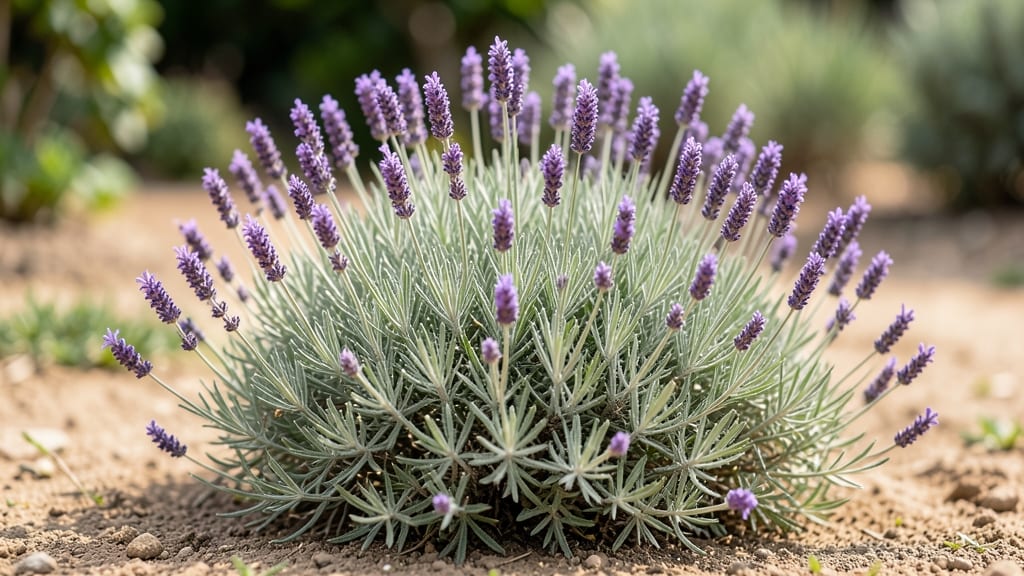
Lavender thrives in sandy soil because it mimics its Mediterranean homeland's drought-resistant conditions. 🌱 The right mix prevents root rot while keeping plants fragrant and compact—no more leggy, floppy stems.
My first attempt with heavy clay left me with sad, waterlogged plants, but switching to a sandy blend transformed my garden. This isn't about buying expensive soil—just 3 simple amendments: coarse sand, perlite, and a touch of compost.
The key is 70% drainage with just enough organic matter to feed roots. Too much clay? We'll fix that by bulking up the texture without suffocating the plant. You'll end up with lavender that smells like Provence and survives on half the water of other varieties.
The blooms stay dense, the stems stay sturdy, and you'll never waste time wrestling with soggy soil again. Works for containers or in-ground plantings—just avoid over-amending. Here's how to nail the perfect mix for your climate.
📚 In This Guide
- What you need
- Instructions
- Tips and common mistakes
- Wrapping up and next steps
What you need
- ● Coarse sand: 50% of the mix (use builder’s sand or sharp sand, not fine beach sand). Quantity: 2 parts per 1 part soil.
- ● Garden soil or potting mix: 30% of the mix (use a well-draining, sterile blend or compost-free topsoil). Quantity: 1.5 parts.
- ● Perlite or pumice: 20% of the mix (improves aeration and drainage). Quantity: 1 part.
- ● Garden gloves (to protect your hands from grit).
- ● Wheelbarrow or large bucket (for mixing).
- ● Garden trowel or shovel (for amending existing soil).
- ○ pH testing kit (optional but helpful—lavender prefers neutral to slightly alkaline soil (6.5–7.5 pH)).
- ● Watering can or hose with a gentle spray nozzle (for hydration without compacting the mix).
- ● Lime (calcium carbonate): A handful per cubic foot if your soil is acidic (test first!).
- ● Slow-release fertilizer (low nitrogen, high phosphorus): Sprinkle lightly to support root growth.
- ● Gravel or small rocks: Mix in for extra drainage in containers.
Step-by-Step guide to creating a sandy soil mix for lavender
This blend ensures your lavender thrives with minimal fuss—drainage so good, you'll forget to water.
🪴 Step 1: Gather and Measure Your Base Materials
Start with 50% coarse sand—this is non-negotiable for lavender. I use builder's sand (not fine play sand) because its gritty texture mimics lavender's natural Mediterranean habitat. Measure 4 parts of this sand for every 1 part of your existing garden soil. If you're working with 4 cubic feet of mix (enough for a 3-foot by 3-foot bed), that means 3 cubic feet of sand and 1 cubic foot of soil. Sift the sand first to remove any debris—lavender roots hate surprises like rocks or twigs.
For extra insurance against compaction, add 1 part perlite to the mix. This lightweight volcanic rock creates air pockets that prevent waterlogging. Think of it as adding fluff to dense soil—your lavender's roots will reward you with vigorous growth. Spread the perlite on a tarp and shake it through a 1/4-inch mesh screen to break up any clumps before mixing.
🌱 Step 2: Mix Thoroughly for Uniform Texture
Pile your coarse sand, garden soil, and perlite in a wheelbarrow or large container. Use a garden fork to combine them—don't just shovel. Work the fork in and out of the pile, lifting and dropping the mix to ensure the sand doesn't separate. You want a uniform texture where you can't pick out individual components. Lavender roots need this consistency to spread evenly without encountering pockets of wet or dry soil.
Here's the thing—lavender hates heavy soil. If your garden soil feels dense when squeezed, add another 10% sand to the mix. Test it by forming a handful into a ball: if it holds shape, it's too heavy. It should crumble easily when dry and drain water instantly when wet. This is your drought-resistant foundation—the key to lavender that blooms year after year.
☀️ Step 3: Amend with Organic Matter (Sparingly)
Lavender is frugal with nutrients, so resist the urge to add compost. Instead, mix in 1 part aged manure or leaf mold for every 10 parts of your sandy blend. This provides just enough organic matter to support root growth without encouraging excessive leafy growth at the expense of flowers. I use well-aged cow or horse manure—fresh manure burns lavender roots like a hot poker.
Sprinkle the organic matter over the sandy mix and fork it in gently. You're not creating a rich garden bed—you're just giving lavender a light nutritional boost. Over-amending leads to soft, floppy stems and fewer fragrant blooms. Think of this as a vitamin supplement, not a full meal. Water the amended mix lightly to help the organic matter integrate without clumping.
💧 Step 4: Test and Adjust for Drainage
Fill a 1-gallon container with your mixed soil and pour 2 cups of water into it. If the water drains through in less than 10 minutes, your mix is perfect. If it pools at the surface or drains slowly, add more coarse sand and remix. Lavender roots rot in soggy soil—this test ensures you've created the ideal fast-draining environment. I've seen lavender plants revive from near-death by simply transplanting them into this mix.
For an extra layer of protection, top the bed with a 1-inch layer of small gravel or decomposed granite. This prevents soil from splashing onto the woody stems during watering (a common issue that leads to fungal diseases). The gravel also reflects heat, which lavender loves—especially in cooler climates. Mulch with straw or pebbles instead of wood chips, which can introduce moisture and rot.
⏰ Step 5: Plant and Maintain for Long-Term Success
Plant lavender in spring or early fall when temperatures are mild. Space plants 18-24 inches apart—they need room to spread and won't tolerate crowding. Dig holes just deep enough to accommodate the root ball, then water deeply to settle the soil. After planting, avoid watering for 2 weeks to encourage root establishment in the dry mix. Lavender in sandy soil is drought-tolerant by design, so once established, it thrives on neglect.
Fertilize once a year in early spring with a low-nitrogen, high-phosphorus formula (like 5-10-10). Too much nitrogen produces lush foliage but fewer flowers. Prune spent blooms in late summer to encourage another flush of flowers. If your lavender looks leggy, it's a sign of over-fertilization or poor drainage—trim back by 1/3 and adjust your watering habits. With this mix, your lavender will reward you with fragrant blooms and silvery foliage for years.
Tips & tricks for perfect sandy soil mixes for lavender
Here's what I've learned after years of growing lavender—these tricks will ensure your sandy soil mix becomes the drought-resistant foundation your plants deserve.
Sand Selection Tip: Builder's sand isn't just any sand—it's the gold standard for lavender because its coarse particles create perfect drainage channels. If you can only find fine play sand, sift it through a window screen to break up the particles. I once used river sand without sifting, and my lavender struggled with poor drainage for months. The texture difference is night and day—think of it as the difference between a sandy beach and a muddy riverbank.
Mixing Technique Tip: The garden fork isn't just for mixing—it's for creating a uniform texture that mimics lavender's natural Mediterranean habitat. Work the fork in and out of the pile aggressively, lifting and dropping the mix to prevent sand separation. I've seen gardeners use shovels, but they often create pockets where sand and soil separate. This inconsistency leads to uneven moisture distribution, which is why lavender roots can become stressed. Think of it as creating a loose, airy fabric rather than a dense, compacted mass.
Drainage Test Tip: That 10-minute drainage test in Step 4 is your quality control moment—don't rush it. If water pools or drains slowly, you're not done yet. I've had to remix several batches because I got impatient. The goal is to create a mix where water drains like a sieve, not like a swamp. This test is your insurance policy against root rot, which can silently kill lavender plants before they show symptoms. Consider it your litmus test for success.
Organic Matter Strategy: When amending with aged manure in Step 3, less is more. I've seen gardeners go overboard with compost, thinking lavender needs rich soil. But lavender is a Mediterranean plant—it evolved in nutrient-poor, rocky soils. Too much organic matter leads to soft, floppy stems and fewer flowers. Think of it as giving your lavender a vitamin supplement rather than a full meal. The key is to sprinkle it lightly over the sandy mix and fork it in just enough to distribute without clumping.
Pro Tips for Sandy Soil For Lavender
- Here's what I've learned after years of growing lavender—these tricks will ensure your sandy soil mix becomes the drought-resistant foundation your plants deserve.
- Sand Selection Tip: Builder's sand isn't just any sand—it's the gold standard for lavender because its coarse particles create perfect drainage channels.
- Mixing Technique Tip: The garden fork isn't just for mixing—it's for creating a uniform texture that mimics lavender's natural Mediterranean habitat.
Frequently asked questions
Got questions about growing lavender in sandy soil? You’re not alone! Here are some common concerns—and straightforward answers—to help you cultivate thriving, fragrant lavender with ease.
Why does lavender need sandy soil?
Lavender thrives in well-draining soil because soggy roots lead to rot. Sandy soil mimics its Mediterranean habitat, preventing waterlogging while allowing roots to access oxygen. Plus, it mimics the low-nutrient conditions lavender prefers—too much fertilizer can harm it! Think of it as giving your plant a "dry spell" it loves.
How long does it take for sandy soil to improve drainage?
Improvements are noticeable immediately if you amend existing soil with sand (or grit) and organic matter. However, for optimal drainage, give the soil 3–6 months to settle and decompose. Test your mix by squeezing a handful—if it crumbles easily, you’re golden!
Can I grow lavender in 100% sand?
While pure sand drains well, it lacks nutrients and holds zero moisture or organic matter. For best results, mix it 50/50 with compost or coconut coir (or use 60% sand, 30% perlite, 10% compost). This balance supports roots while keeping lavender’s drought-resistant charm.
What if my lavender wilts despite sandy soil?
Wilting in sandy soil usually means underwatering or over-sun exposure. Water deeply but infrequently (let the top 2 inches dry out), and ensure 6+ hours of sunlight daily. If roots look mushy, it’s overwatered—trim damaged roots and repot in fresh sandy mix. Pro tip: Mulch lightly with gravel to retain just enough moisture!
Are there alternatives to sand for drainage?
Yes! Swap sand for:
- Pumice or perlite (lightweight, improves aeration)
- Grit or coarse builder’s sand (cheaper, works well)
- Orchid bark (adds structure without compacting)
Wrapping up and next steps
Growing lavender in sandy soil is a game-changer for fragrant, drought-resistant blooms! 🌿 With the right mix of gritty texture, excellent drainage, and minimal organic matter, you’re setting your lavender up for success—whether you’re a seasoned gardener or just starting.
The key takeaway? Prioritize drainage, balance minerals, and avoid waterlogging to keep your lavender thriving.
Ready to take the next step? Test your soil’s pH and adjust as needed, then plant your lavender with confidence. Watch as those vibrant purple spikes reward you with beauty and fragrance year after year! 🌸