
How To
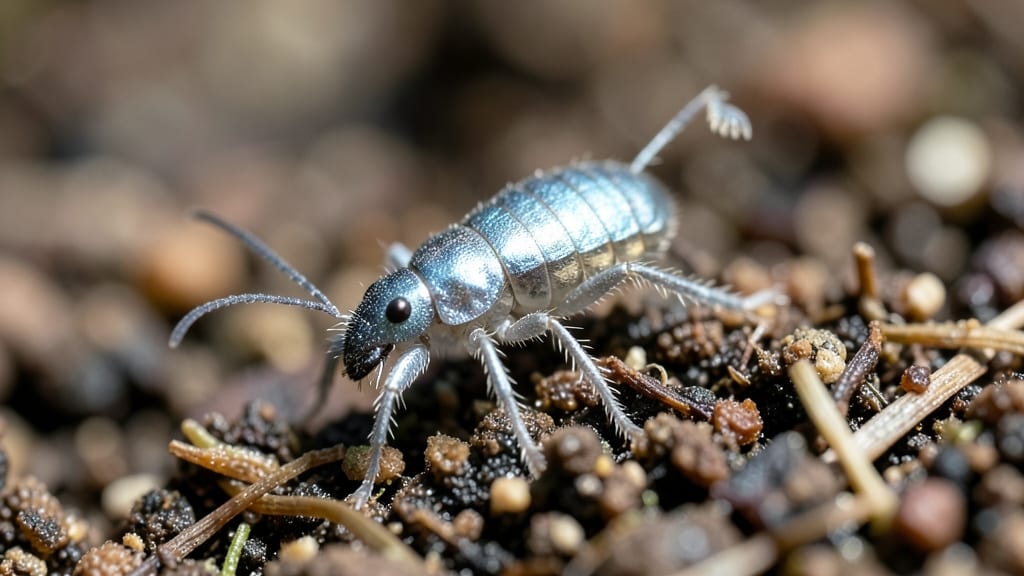
The soil insects identification starts with knowing who's tunneling under your plants. 🌱 The wrong bugs can turn lush roots into Swiss cheese, while others are your garden's unsung heroes.
My first clue was the sudden wilting of my tomato plants—what looked like dry soil hid a secret world of tiny invaders.
Most soil insects fall into three categories: root feeders (like grubs that chew roots), predators (such as ground beetles that hunt pests), and decomposers (earthworms that aerate soil).
The damage tells the story—wilting, stunted growth, or frass (tiny insect droppings) are red flags. A simple soil scrape with a trowel reveals their world.
You'll learn to spot the good guys (earthworms, ants) from the bad guys (cutworms, wireworms) by their size, shape, and behavior. Once identified, you can act—whether it's encouraging predators or using organic controls like neem oil for pests. No more guessing what's eating your plants from below.
This guide covers the most common soil insects in North American gardens, with tips for prevention and control. Whether you're dealing with a sudden infestation or just curious about your soil's tiny residents, you'll walk away with the confidence to protect your plants' roots.
Root Causes Behind Soil Bugs
Soil insects thrive in gardens for specific reasons—often tied to environmental conditions, plant health, or human activities. Understanding these triggers helps you address the why before tackling the how. Below are the key factors that invite unwanted (or beneficial) soil-dwelling critters into your garden.
Healthy soil is a balanced ecosystem, but when it’s depleted or unbalanced, it becomes a buffet for soil insects. Here’s why:
- Lack of organic matter: Soil rich in decomposed plant material (like compost) supports beneficial microbes that naturally suppress pests. When organic matter is low, insects like cutworms or grubs find weak plants easier to attack.
- Excess nitrogen: Fast-growing plants (often from over-fertilizing) attract sap-sucking pests like aphids or whiteflies, which then drop into the soil as eggs or larvae.
- Compacted soil: Heavy foot traffic or machinery reduces aeration, creating anaerobic zones where wireworms or soil mites thrive in damp, oxygen-poor conditions.
Actionable fix: Test your soil’s pH and nutrient levels (aim for 6.0–7.0 pH for most veggies). Amend with compost, leaf mold, or biochar to improve structure and microbial activity.
Moisture levels directly influence which soil insects appear. Too much water creates the perfect breeding ground for:
- Fungal-feeding insects: Sowbugs and pill bugs (not true bugs but common pests) seek damp, decaying organic matter. Waterlogged areas accelerate fungal growth, their food source.
- Larval stages: Mosquito larvae (Culex species) and fungus gnats lay eggs in stagnant water. Even "dry" soil can stay soggy at the roots if drainage is poor.
- Root rot attractors: Weak, rotting roots from overwatering draw root maggots (larvae of Delia flies), which burrow into tender tissue.
Actionable fix:
- Install French drains or raised beds in low spots.
- Water deeply but infrequently (aim for 1–1.5 inches per week, including rain).
- Use mulch to regulate moisture—straw or wood chips keep soil evenly damp without saturation.
Stressed plants emit chemical signals that attract pests—or fail to repel them. Common stressors include:
- Drought or heat stress: Plants like tomatoes or peppers under drought produce volatiles (chemical cues) that lure stink bugs or armyworms, whose larvae may drop into the soil.
- Nutrient deficiencies: Yellowing leaves (nitrogen deficiency) or stunted growth (phosphorus deficiency) weaken structural defenses, making roots vulnerable to grubs or weevils.
- Disease pressure: Fungal or bacterial infections (e.g., Fusarium wilt) create entry points for root-lesion nematodes, which thrive in compromised tissue.
Actionable fix: Monitor plant health with regular inspections. Use neem oil or compost tea to boost natural resistance. Rotate crops annually to disrupt pest life cycles.
Even well-meaning gardening habits can unintentionally invite soil insects. Here’s how:
| Activity | How It Attracts Pests | Example Insects |
|---|---|---|
| Over-tilling soil | Disrupts natural predator-prey balances (e.g., ground beetles) and exposes larvae to light/air. | Cutworms, wireworms |
| Using synthetic fertilizers | Alters soil microbial communities, reducing beneficial nematodes (Steinernema) that control grubs. | Grubs, sciarid flies |
| Ignoring mulch buildup | Thick mulch layers trap moisture and organic debris, ideal for earwigs or millipedes. | Earwigs, sowbugs |
| Planting susceptible crops consecutively | Builds up pest populations in the soil (e.g., corn rootworms in repeated tomato beds). | Root-knot nematodes, beetles |
Actionable fix:
- Replace tilling with no-dig gardening to preserve soil structure.
- Use slow-release organic fertilizers (e.g., worm castings) to avoid chemical imbalances.
- Rotate crops by family (e.g., swap solanaceous plants like peppers with brassicas like kale).
Soil insects are highly sensitive to temperature and weather patterns. For example:
- Mild winters: Pests like Japanese beetle grubs survive freezing periods, leading to larger populations the next season.
- Early springs: Warm soil speeds up the life cycle of cutworms, allowing multiple generations per year.
- Heavy rains: Washed-away topsoil exposes dormant insect eggs (e.g., armyworm eggs) to hatch earlier.
Actionable fix: Use row covers in early spring to delay pest emergence. Plant trap crops (like radishes for flea beetles) to lure pests away from main crops.
Quick Fixes for Soil Pest Problems
Dealing with unwanted soil insects can feel overwhelming, but the right approach can restore balance to your garden. Below, we’ve mapped common causes to practical solutions—plus prevention tips to keep pests at bay long-term.
Cause: White grubs, cutworms, or root maggots chewing on roots, often from overwatered or compacted soil. Fix:
- 🍳 Soil Drench: Mix 1 tbsp neem oil + 1 tsp dish soap per gallon of water, then drench the soil around affected plants. Repeat every 7–10 days.
- 👨🍳 Beneficial Nematodes: Apply Heterorhabditis bacteriophora nematodes (sold as liquid or granules) to the soil. These microscopic predators seek out and kill grubs.
- 🥘 Trap Cropping: Plant radishes or beans near vulnerable plants—grubs prefer these over your prized veggies.
💡 Prevention Tip: Avoid overwatering and improve drainage with compost or sand to deter larvae.
Cause: Moist, organic-rich soil attracts fungus gnats, whose larvae feed on decaying matter and roots. Fix:
- 🔪 Yellow Sticky Traps: Place yellow cards coated with petroleum jelly near plants to catch adult gnats.
- 🌡️ Drying Out the Soil: Let the top 1–2 inches of soil dry between waterings. Use coconut coir (instead of peat moss) to reduce moisture retention.
- ✨ Beneficial Bacteria: Sprinkle Bacillus thuringiensis var. israelensis (Bti) granules on soil—it’s toxic to gnat larvae but safe for plants.
💡 Prevention Tip: Solarize soil in summer by covering it with clear plastic for 4–6 weeks to kill larvae.
Cause: Wireworms (click beetle larvae) tunnel through roots and stems, causing uneven damage. Fix:
- 🔪 Hand-Picking: Check soil after rain—wireworms are slow-moving. Drop them into soapy water to kill them.
- 🥘 Barrier Method: Lay cardboard or aluminum foil under fresh mulch; wireworms can’t penetrate it.
- 🌱 Crop Rotation: Avoid planting corn, potatoes, or wheat (their favorites) in the same spot for 3+ years.
💡 Prevention Tip: Encourage predators like ground beetles by leaving leaf litter in borders.
Cause: A mix of pests (e.g., ants, termites, or rove beetles) disrupting soil health. Fix:
- 🔪 DIY Dusting: Sprinkle diatomaceous earth (DE) lightly on soil—it dehydrates soft-bodied insects. Reapply after rain.
- 🌡️ Heat Treatment: For severe infestations, solarize soil (cover with plastic for 6+ weeks in summer).
- 🎯 Companion Planting: Interplant marigolds, garlic, or thyme—their strong scents repel many soil pests.
💡 Prevention Tip: Test your soil annually to ensure pH (6.0–7.0) and nutrient balance—healthy soil resists pests better.
🔥 Pro Tip: Always identify the pest first (use a magnifying glass or guide) before treating—some "pests" (like pill bugs) are harmless or even helpful!
Need a deeper dive? Check out our [Soil Pest ID Chart] (link placeholder) for visual guides to common culprits. With these fixes, your garden’s underground ecosystem will be back in harmony in no time!
Frequently asked questions
How can I tell if tiny holes in my soil are from pests or beneficial organisms?
Check the size and shape: harmful pests like wireworms leave 1/8-inch irregular tunnels, while earthworm castings are smooth, rounded pellets. Look for frass (tiny black droppings) near roots—this signals root-feeding larvae. Beneficial organisms like springtails create fine, shallow tunnels without damaging plant roots.
What's the fastest way to identify soil insects without a microscope?
Use a hand lens (10x magnification) and check these key features: body shape (cylindrical = grubs, flat = cutworms), size (1/4-inch = fungus gnat larvae), and movement (wireworms curl into a "C" when disturbed). Place a damp paper towel in a container with soil samples—many insects will crawl out overnight for easier viewing.
Are pill bugs (rolly-pollys) harmful to my garden?
No, they're actually helpful! Pill bugs (not true insects) decompose organic matter and aerate soil. However, large numbers may indicate overly moist conditions. If you see them in masses, improve drainage—this prevents fungal issues that attract them in the first place.
How do I know if my plants are suffering from soil insects vs. disease?
Look for these clues: insect damage shows chewed roots, frass, or wilting despite moist soil, while disease causes yellowing leaves, mold, or soft stems. Dig up a plant—if you find white grubs or wireworms attached to roots, it's insect-related. Diseases often appear as discolored patches on leaves or stems.
Can I use coffee grounds to repel soil insects?
Coffee grounds can help moderately—their acidity deters some pests like slugs and ants, but they won't stop root feeders like grubs. For best results, mix 1 part coffee grounds to 3 parts compost and apply as mulch. Avoid overapplying, as too much acidity can harm soil microbes.