
How To
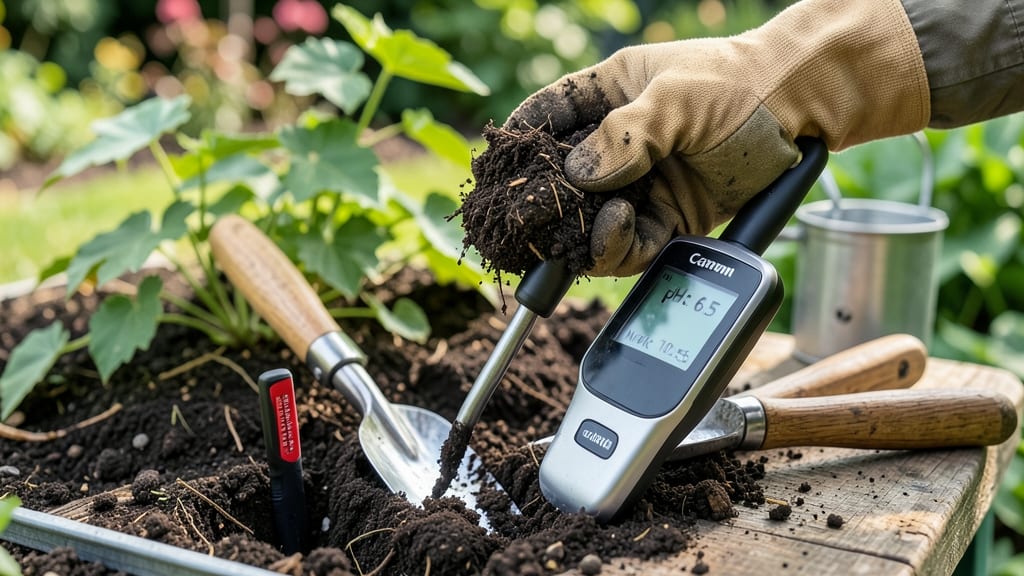
Virginia’s soil ranges from sandy coastal plains to clay-heavy Piedmont regions, with rich loam in the Blue Ridge Mountains. Each type demands different gardening approaches, from drainage fixes to nutrient amendments like compost or lime.
Virginia’s diverse geography creates a patchwork of soil types, each with unique challenges and opportunities for gardeners. 🌱 The coastal plains, for example, often struggle with poor drainage due to their sandy composition, while the Piedmont’s clay can become compacted and waterlogged without proper aeration.
The Blue Ridge Mountains, however, offer some of the state’s most fertile loam, perfect for root vegetables and perennials. Understanding your specific soil type is the first step toward creating a thriving garden—whether you’re growing tomatoes in sandy soil or blueberries in acidic conditions.
To work with these variations, I recommend starting with a simple DIY soil test using a home kit or sending a sample to your local extension office. Once you know your soil’s pH and nutrient levels, you can make targeted improvements.
For instance, adding organic matter like compost improves sandy soils’ water retention, while gypsum can help break up clay’s dense structure. In Virginia’s humid climate, mulching also plays a crucial role in maintaining moisture and temperature consistency.
What’s especially interesting is how Virginia’s soil types align with historical farming traditions. The nutrient-rich valleys of the Shenandoah have long supported livestock grazing, while coastal farmers adapted to sandy soils by growing drought-tolerant crops like peanuts.
Today, these same principles guide modern gardeners in selecting the right plants and amendments for their specific location.
💡 In This Article
- Virginia’s 5 Major Soil Types and Their Planting Potential
- How to Test and Improve Virginia Soil for Gardening
Virginia’s 5 major soil types and their planting potential
Virginia’s soil diversity stems from its complex geology, where ancient riverbeds, glacial deposits, and coastal erosion have shaped five dominant types. The Ultisols dominate the Piedmont region, formed from weathered granite and shale that create clay-heavy soils with pH levels between 5.0 and 6.0.
These soils drain poorly when wet but bake hard when dry, making them ideal for moisture-loving plants like okra and sweet potatoes—provided you amend them with 2-3 inches of compost annually to improve structure.
The coastal plains feature Entisols, young sandy soils with minimal organic matter that drain almost instantly. Their pH often hovers around 6.5-7.0, but their lack of nutrients demands frequent fertilization. Here, drought-resistant crops like peanuts and watermelons thrive, while vegetables need regular mulching to retain moisture.
The Blue Ridge Mountains contrast sharply with their Inceptisols—young but nutrient-rich loams with pH between 5.5-6.5, perfect for blueberries and apples that prefer acidic conditions.
Histosols appear in Virginia’s swamps and wetlands, particularly in the Eastern Shore, where decomposed plant matter creates peat-like soils with pH as low as 4.5.
These acidic conditions support native plants like pitcher plants and cranberries but require careful management for vegetable gardens—adding elemental sulfur can lower pH further for acid-loving crops.
Meanwhile, the Mollisols in the Shenandoah Valley offer Virginia’s most fertile soils, with high organic content and pH near 7.0, ideal for corn and soybeans.
What most gardeners overlook is how topography influences soil quality. Sloped areas in the Piedmont often have shallower Ultisols that dry out quickly, while valley floors accumulate deeper, more fertile layers.
This is why soil testing before planting is critical—a simple $20 home kit reveals whether your garden needs lime (for acidic soils) or sulfur (for alkaline corrections). For example, Virginia’s famous Tidewater region often requires lime applications every 3-5 years to maintain optimal pH for lawns and vegetables.
Understanding these soil types explains why Virginia’s agricultural zones produce such diverse crops. The sandy Entisols of the coast support tobacco and peanuts, while the clay Ultisols of the Piedmont grow wheat and soybeans.
Even home gardeners can leverage this knowledge—planting blueberries in raised beds with pine bark mimics the acidic Histosols they prefer, while adding gypsum to clay soils improves drainage for root crops like carrots.
The key takeaway? Virginia’s soil isn’t just about what you can grow—it’s about how you prepare it. A 1-inch layer of compost can transform sandy soils into productive gardens, while cover crops like clover prevent erosion in sloped areas.
The state’s geological history has given us a natural laboratory of soil types, each with its own superpowers for the right plants.