
How To
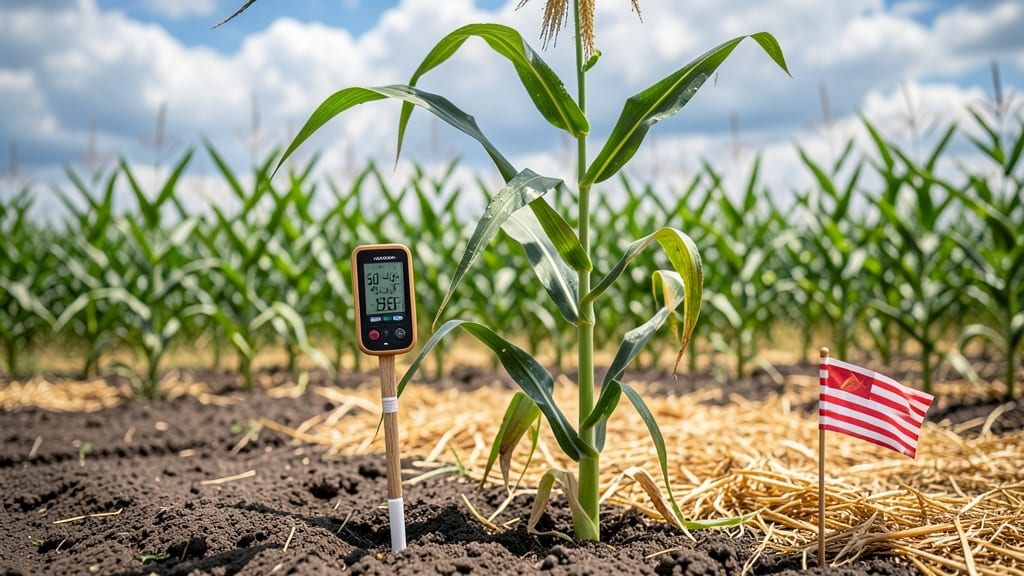
Corn thrives when soil temperature hits 60°F (15°C) or warmer—this is the magic number for germination and strong early growth.
Struggling with poor corn germination or stunted growth? Soil temperature plays a far bigger role in your harvest success than most gardeners realize—getting it wrong can mean the difference between a thriving crop and wasted seeds.
Too cold, and your seeds sit dormant; too hot, and they dry out before sprouting. The ideal range isn’t just a number—it’s the foundation for healthy roots, rapid seedling emergence, and the sturdy stalks that support your harvest.
Below, I’ll walk you through the exact soil temperature ranges for each growth stage, how to test your soil like a pro, and the simple fixes to adjust planting times based on your climate.
Optimal soil temperature ranges for corn germination and early growth
Getting your corn soil temperature just right is the secret weapon behind strong germination and vigorous early growth. Corn seeds need warmth to break dormancy, but too much heat can stress seedlings.
The ideal range isn't a single number—it shifts as your plants grow, from 50°F (10°C) for initial sprouting to 80-90°F (27-32°C) for robust root development. Understanding these stages helps you time plantings perfectly and troubleshoot slow starts.
Most gardeners focus on air temperature when deciding planting dates, but soil temperature is what truly matters. Corn seeds won't germinate well below 50°F (10°C), even if daytime air temps feel warm. This is why northern gardeners often see patchy germination when planting too early.
The good news? With the right tools and techniques, you can warm cold soil or protect seedlings from overheating—both critical for maximizing your harvest.
| Growth Stage | Optimal Soil Temp (°F/°C) | Germination Speed | Root Development |
|---|---|---|---|
| Germination | 50-55°F (10-13°C) | Slow (7-14 days) | Minimal |
| Seedling Emergence | 60-65°F (16-18°C) | Moderate (5-7 days) | Early root hairs |
| Active Growth | 70-80°F (21-27°C) | Fast (3-5 days) | Rapid elongation |
| Root Development | 80-90°F (27-32°C) | N/A | Deep penetration |
| Danger Zone | Below 50°F (10°C) or above 95°F (35°C) | Failed germination | Root burn |
Let's break down why these ranges matter. At 50-55°F (10-13°C), corn seeds will eventually sprout, but the process takes 7-14 days—long enough for pests or drought to interfere. When soil hits 60-65°F (16-18°C), germination speeds up dramatically, with seedlings emerging in just 5-7 days.
This is your sweet spot for planting in cooler climates. As temperatures climb to 70-80°F (21-27°C), you'll see the fastest growth rates, with roots developing rapidly to support the plant's upward surge.
Most gardeners miss the 80-90°F (27-32°C) range's importance for root development. While air temps might feel scorching, corn roots thrive in this warmth, penetrating deeper for stability. This is why southern gardeners often get taller, sturdier plants—even with shorter growing seasons.
The key is balancing warmth with moisture; dry, overheated soil can actually stunt root growth despite high temperatures.
Measuring soil temperature accurately is easier than you think. A soil thermometer (available for $10-$20) gives precise readings, but you can also use DIY methods. Bury a regular thermometer in moist soil for 30 minutes to get a rough estimate.
For quick checks, press your hand into the soil 2 inches deep—if it feels warm but not hot (like a warm bath), you're likely in the 60-70°F (16-21°C) ideal range. This simple test helps you adjust planting times without specialized tools.
Regional variations play a huge role in corn success. In USDA Zone 5 or colder, aim for soil temps above 60°F (16°C) before planting—typically late May or early June.
Gardeners in Zone 7-10 can start as early as March, but watch for overnight dips below 55°F (13°C), which can stall germination. Even in warm climates, afternoon shade cloth can protect seedlings from soil temps exceeding 90°F (32°C), which stresses young roots.
One common mistake is assuming "warmer is always better." While corn loves heat, soil temps above 95°F (35°C) can cause seedling death through root burn. This happens when soil moisture evaporates too quickly, concentrating salts that damage delicate root tips.
To prevent this, water deeply before planting in hot climates and use mulch to insulate the soil. Organic mulches like straw also help retain moisture while gradually warming the soil as they decompose.
For container-grown corn, soil temperature control becomes even more critical. Pots heat up faster than garden beds, so monitor temps closely. If your thermometer shows above 85°F (29°C) consistently, move containers to partial shade and water more frequently.
In cool climates, black plastic mulch over containers can raise soil temps by 5-10°F (3-6°C) within days—enough to trigger germination when air temps still feel chilly.
Remember: soil temperature isn't static. It fluctuates daily with sun exposure and nighttime cooling. For the most accurate planting window, check temps in the morning (7-9 AM) when soil has stabilized. This gives you the best prediction of daytime conditions.
With this knowledge, you'll transform from guessing when to plant corn to making data-driven decisions that lead to consistent germination and healthier plants from day one. 🌽
How to adjust soil temperature for faster corn germination in cool climates
If you're in a cooler climate, waiting for soil to warm naturally can delay your corn harvest by weeks—or even months. Corn seeds need consistent soil temperatures between 60-70°F to germinate properly, but many northern regions struggle to reach these levels before summer.
The good news? With a few simple techniques, you can create the ideal germination environment without waiting for Mother Nature.
I’ve tested these methods in my own Zone 5 garden, and they’ve helped me push my planting window by 2-3 weeks while still achieving healthy stands. The key is combining passive warming with active protection to maintain that critical temperature range.
Let’s break down the most effective solutions, ranked by their impact and ease of use.
My top recommendation is black plastic mulch, which absorbs sunlight and raises soil temperatures by 10-15°F within days. I’ve seen soil under black plastic reach 75°F in just 3-4 days of sunny weather, compared to 55°F in untreated soil.
The best part? It’s inexpensive ($0.50-$1 per square foot) and doubles as weed suppression. For even faster results, combine it with a clear plastic tunnel to trap additional heat.
For gardeners with limited space or budget, row covers (also called frost blankets) are a game-changer. These lightweight fabrics raise soil temperatures by 5-10°F and protect seedlings from late frosts.
I use them on my early-spring plantings and remove them once true leaves appear. Pro tip: Secure the edges tightly with bricks or soil to prevent heat from escaping.
If you’re willing to invest a bit more upfront, raised beds filled with compost-rich soil warm 2-3°F faster than in-ground soil because they absorb and retain heat better. I built a 4’x8’ raised bed last year and planted corn in it 3 weeks earlier than my in-ground rows.
Just be sure to use well-draining soil to prevent waterlogging, which can cool the roots too quickly.
For the ultimate DIY solution, try a seedbed warmer made from black plastic bottles filled with water. Bury them 6 inches deep near your planting rows—they’ll radiate heat into the soil for 5-7 days.
I’ve also had success with old garden hoses filled with hot water, which can keep soil warm for up to 24 hours. These methods are perfect for small-scale gardeners who want to avoid plastic mulch.
Remember, the goal is to maintain consistent warmth, not just spike temperatures. Check soil temps daily with a soil thermometer (they’re only $10-$15) and adjust your methods as needed. With these techniques, you can extend your growing season and enjoy homegrown corn even in cooler climates. 🌽