
How To
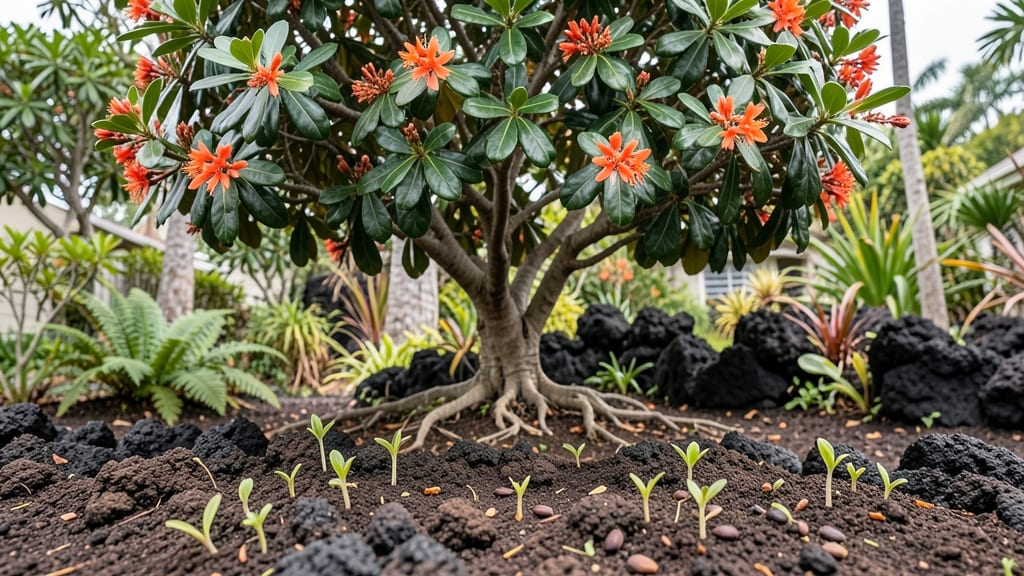
The soil in Hawaii is primarily volcanic, with mineral-rich layers from potassium and phosphorus but typically low in nitrogen, featuring diverse textures like dense basaltic clay and porous pahoehoe lava. This unique composition thrives for tropical plants but often needs careful adjustments for peak garden performance.
Hawaii's volcanic soil comes from centuries of lava flows and erosion, creating a mineral powerhouse that supports lush tropical growth. 🌋 The challenge lies in its low organic matter and nitrogen levels, which means gardeners often need to add compost or organic fertilizers to balance the mix.
What sets Hawaiian soil apart is its incredible diversity—from the rough, jagged a'a lava to the smooth, glassy pahoehoe, each type affects how water drains and nutrients hold. This makes it perfect for certain crops but requires extra care for others.
Understanding this soil's quirks helps explain why some plants flourish while others struggle without help. For instance, coffee and macadamia nuts love the well-draining volcanic base, but vegetables might need extra nitrogen boosts.
The key is working with nature's foundation while giving it what it lacks to create a thriving garden ecosystem.
💡 In This Article
- How Volcanic Activity Shapes Hawaii’s Fertile Yet Challenging Soil
- Best Soil Amendments for Thriving Hawaiian Gardens
How volcanic activity shapes Hawaii’s fertile yet challenging soil
Hawaii’s soil begins its life as molten lava erupting from volcanoes like Kīlauea or Mauna Loa. When this lava cools, it forms two distinct textures: a’a (sharp, jagged fragments) and pahoehoe (smooth, ropy surfaces).
The cooling process creates porous structures that allow water to drain quickly, which is great for plants that dislike soggy roots but challenging for moisture-loving crops like taro.
These lava flows weather over centuries, breaking down into fine mineral particles rich in iron, magnesium, and calcium, but often lacking the organic matter found in temperate soils.
The mineral composition tells the full story. Volcanic soil typically contains 1-3% organic matter compared to 5-10% in many mainland soils, yet it boasts 10-20 times more potassium and phosphorus—key nutrients for plant growth.
However, the nitrogen content often sits at 0.1-0.3%, far below the 0.5-1.0% ideal for most crops. This imbalance explains why native plants like ʻōhiʻa lehua trees thrive naturally, while introduced crops like tomatoes or peppers may struggle without amendments.
The high iron content also gives the soil its signature reddish-brown hue, a visual clue to its volcanic origins.
What makes this soil particularly fascinating is how its texture varies by island and elevation. On windward slopes, erosion creates deeper, loamy layers perfect for root crops, while leeward areas often have thinner, rockier soil.
The porous pahoehoe lava, for example, holds 30-50% more air space than dense a’a fragments, making it ideal for orchids and other epiphytes that need excellent drainage.
This diversity means gardeners must test their soil’s pH (typically 4.5-6.5) and adjust based on what they’re growing—citrus prefers slightly acidic soil, while avocados thrive in near-neutral conditions.
Here’s where the challenge comes in: volcanic soil’s low organic matter means it heats up faster in the sun and loses moisture quickly. Without intervention, this can lead to nutrient leaching during heavy rains, washing away essential minerals.
The solution lies in understanding how these geological processes create both opportunities and obstacles. For instance, the high magnesium content benefits banana and coffee plants but can inhibit calcium uptake in leafy greens.
This is why local farmers often rotate crops or use green manure like mucuna beans to naturally replenish nitrogen levels.
Consider this: the same lava that created Hawaii’s dramatic landscapes also built its agricultural foundation. Take the island of Kauai, where ancient Hawaiians cultivated loʻi kalo (taro ponds) by layering volcanic rock with organic matter to create nutrient-rich growing mediums.
This traditional approach demonstrates how indigenous knowledge adapted to volcanic soil’s strengths while mitigating its weaknesses. Today, modern gardeners use similar principles—adding compost, mulching heavily, and choosing plants that match the soil’s natural tendencies.
What most people don’t realize is how the soil’s age plays a role. Younger lava flows (like those from Kīlauea’s 2018 eruption) are still breaking down and may lack the weathered, nutrient-rich layers of older soils.
These fresh deposits can be highly alkaline (pH 7.0+) and require sulfur amendments to acidify before planting. This geological timeline explains why some areas of Hawaii produce bountiful harvests while others need more intensive care to become productive. 🌋