
How To
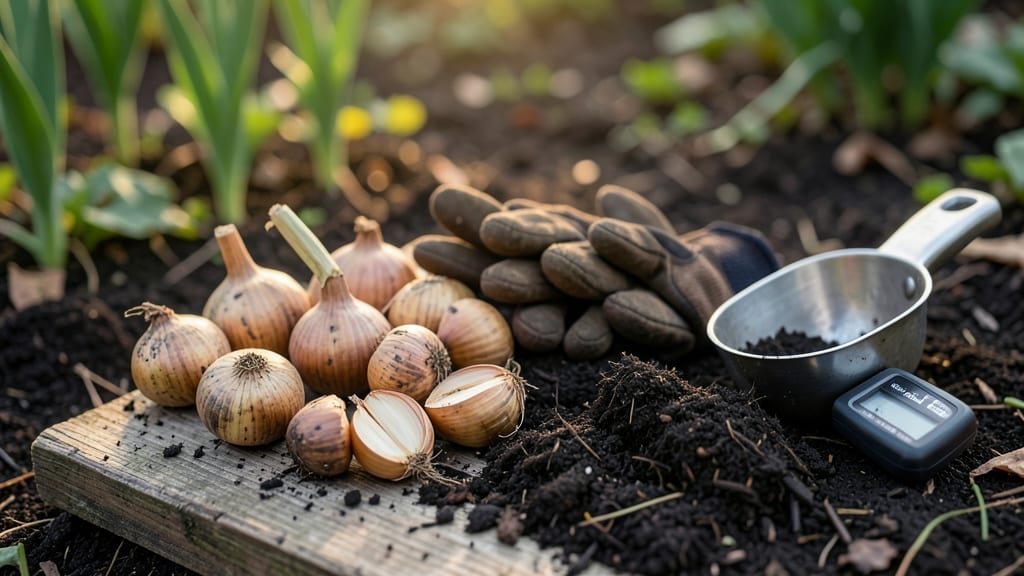
The perfect soil for tulips isn’t just dirt—it’s the foundation for blooms that make your neighbors do a double take. 🌷 I’ve learned the hard way that heavy clay or sandy soil will leave your tulips struggling, but the right loam blend makes all the difference.
The secret? A slightly acidic, well-draining mix that holds just enough moisture without suffocating roots.
Start with a base of 60% garden loam—the rich, crumbly stuff that retains nutrients but drains well. Then, add 20% compost for organic matter and 20% coarse sand or perlite to prevent compaction.
For clay-heavy soils, mix in pebbles or expanded shale to break up density. The goal? A texture that feels like a damp sponge—not sticky, not dusty, but just right.
When planting, dig a hole twice as wide as the bulb but only 6 inches deep—tulips need room to spread but won’t rot if buried too shallow. Work the amended soil into the hole, then place the bulb pointy end up, cover with soil, and water gently.
Within weeks, you’ll see strong green shoots pushing through, and by spring, your garden will be a riot of color.
This blend works in zones 3-8, but adjust the sand/compost ratio based on your climate: more sand in wet areas, extra compost in dry ones. Avoid fresh manure—it burns bulbs—and never let soil sit soggy.
With the right mix, your tulips will reward you with vibrant blooms year after year, not just one spectacular spring.
📚 In This Guide
- What you need
- Instructions
- Tips and common mistakes
- Wrapping up and next steps
What you need
- ● Garden soil: 50% of your mix (well-draining, loamy soil; avoid heavy clay or sandy soil). Quantity: ~2 parts per 1 part of other amendments.
- ● Peat moss or coconut coir: 20% of the blend (adds acidity and moisture retention). Quantity: ~1 part per 5 parts of soil.
- ● Compost: 20% of the blend (boosts nutrients and improves structure). Quantity: ~1 part per 5 parts of soil.
- ● Perlite or coarse sand: 10% of the blend (enhances drainage). Quantity: ~½ part per 5 parts of soil.
- ○ Sulfur or pine bark fines: Optional but recommended for acidity (aim for a pH of 6.0–7.0). Quantity: 1–2 tbsp per 5-gallon bucket of mix.
- ● Garden trowel or spade: For mixing and amending soil.
- ● Gloves and dust mask: To protect against soil and sulfur dust.
- ● pH testing kit: To monitor soil acidity before and after mixing.
- ● Watering can or hose: For hydrating the soil mix.
- ● Worm castings: 5–10% of the mix (adds natural nutrients and improves soil structure).
- ● Slow-release fertilizer (e.g., 10-10-10 or bulb-specific formula): 1 tbsp per 5-gallon bucket (feed lightly—tulips are bulb feeders!).
- ● Mulch (e.g., shredded bark or pine needles): To retain moisture and maintain acidity.
- ● Soil aerator: If your garden soil is compacted, loosen it before amending.
How to create the perfect soil mix for tulips
Tulips thrive when their roots find the right balance—drainage that prevents rot but moisture that keeps blooms vibrant. Here's how to build that ideal acidic loam blend.
🌱 Step 1: Start With a Base of Garden Soil
Begin with 4 parts garden soil—this provides the organic matter tulips need for nutrients. I use soil from my flowerbeds where tulips have grown before, as it's already proven to support their root systems. If you're using fresh soil, sift it to remove rocks and debris that could disrupt root growth.
Tulips prefer slightly acidic soil with a pH between 6.0 and 7.0. Test your garden soil first—if it's too alkaline, you'll need to adjust later. The goal here is to create a loose, crumbly texture that won't compact around delicate roots. Press the soil gently with your fingers; it should hold shape but still allow water to drain freely.
💧 Step 2: Add Organic Matter for Moisture and Nutrition
Mix in 2 parts well-rotted compost—this improves drainage while providing the slow-release nutrients tulips crave. I like to use a blend of leaf mold and aged cow manure for its balanced texture. Avoid fresh manure, which can burn tender roots and create too much heat in the soil.
For extra moisture retention, add 1 part peat moss—this keeps the soil slightly acidic and prevents it from drying out too quickly. Work these materials into the garden soil thoroughly until you see an even, dark brown mix. The final blend should look like rich, crumbly loam. If it feels gritty, add a bit more compost to smooth it out.
☀️ Step 3: Improve Drainage With Sand or Perlite
Tulips hate soggy roots, so 1 part coarse sand or perlite is essential. I prefer perlite because it's lighter and doesn't compact over time like sand can. This amendment creates air pockets that prevent waterlogging while still allowing roots to spread easily.
Sift the perlite or sand through a fine mesh screen to avoid clumps. Mix it into the soil blend until evenly distributed. To check consistency, grab a handful—it should feel light and airy, almost like a damp sponge. If it feels dense, add a bit more perlite. This step is critical for preventing bulb rot, which is the #1 killer of tulips.
✂️ Step 4: Adjust pH if Needed for Acidic Conditions
If your soil test shows a pH above 7.0, add 1 tablespoon of sulfur per square foot to lower it gradually. I sprinkle it evenly over the soil mix and work it in with a garden fork. This adjustment takes time—wait 2-3 weeks before planting to let the pH stabilize.
For visual confirmation, I water the mix and let it settle. The surface should look uniformly dark with no visible clumps of sand or compost. If you see streaks of white sand, mix again until everything blends seamlessly. This final step ensures your tulips will have the perfect foundation for strong roots and vibrant blooms next spring.
🪴 Step 5: Test and Prepare the Soil for Planting
Before planting, dig a hole twice as wide as your tulip bulb but only 6 inches deep—this gives roots room to establish without burying the bulb too deep. Fill the hole with your prepared soil mix and press it down gently around the bulb's base to eliminate air pockets.
Water the area thoroughly after planting to help the soil settle. You'll know the mix is working when water drains away within 10-15 minutes—no standing water. This final check ensures your tulips get the drainage they need while retaining enough moisture to thrive through winter and spring.
Tips & tricks for perfect tulip soil mix
Creating the ideal tulip soil blend is all about balance—get these small details right and you'll see the difference in next year's blooms.
Soil Selection Tip: For the 4 parts garden soil, prioritize soil from areas where tulips or other spring bulbs have thrived before. This "proven soil" already contains the microbial life tulips love. If using fresh soil, sift it through a 1/4-inch mesh screen to remove any rocks or debris larger than a pencil eraser—these can create air pockets that disrupt root growth. I've found that pre-sifted soil mixes with 60-70% sand content work beautifully as a base.
Compost Quality Matters: The 2 parts well-rotted compost should be dark brown and crumbly, with no visible chunks or strong ammonia smells. Leaf mold is my favorite addition because it mimics the natural forest floor conditions tulips prefer. If you're using aged cow manure, make sure it's been composted for at least 6 months—fresh manure can raise soil temperatures dangerously high for delicate tulip roots. The compost should make up about 30% of your final mix by volume.
Drainage Test: After mixing in the 1 part perlite or sand, do this quick test: Take a handful of moistened soil and squeeze it gently. It should hold its shape but crumble easily when you open your hand—like damp cookie dough. If it forms a tight ball, add more perlite. If it falls apart completely, you need more compost to bind it. This texture is what prevents both waterlogging and drought stress, the two biggest threats to tulip health.
pH Adjustment Timing: When adding sulfur to adjust pH, remember that the 2-3 week waiting period is non-negotiable. I like to mark my calendar and test the soil again after 2 weeks—sometimes the pH drops faster than expected. For visual confirmation, use a pH test kit that includes color charts. The ideal mix should test between 6.0-6.5 when damp, which is slightly more acidic than most garden soils naturally are.
Pro Tips for Soil For Tulips
- Creating the ideal tulip soil blend is all about balance—get these small details right and you'll see the difference in next year's blooms.
- Soil Selection Tip: For the 4 parts garden soil, prioritize soil from areas where tulips or other spring bulbs have thrived before.
- Compost Quality Matters: The 2 parts well-rotted compost should be dark brown and crumbly, with no visible chunks or strong ammonia smells.
Frequently asked questions
Got questions about the perfect soil mix for your tulips? You’re in the right place! Here are some of the most common queries—plus straightforward answers to help your tulips thrive.
What type of soil do tulips prefer?
Tulips love well-draining, slightly acidic to neutral soil (pH 6.0–7.0). A mix of loamy soil with organic matter (like compost or peat moss) ensures they get the aeration and nutrients they need. Avoid heavy clay or soggy soil—tulips hate waterlogged roots!
When is the best time to prepare the soil for tulips?
Prep your soil 4–6 weeks before planting (fall for spring blooms, or early spring for fall varieties). This gives microbes time to break down organic matter and improves drainage. If you’re amending existing soil, work in compost or a loam blend at least 2–3 weeks before planting.
Can I use regular garden soil for tulips?
Regular garden soil can work, but it often lacks the drainage and nutrients tulips crave. For better results, amend it with 25–30% perlite, sand, or compost. A pre-mixed loam blend (like 60% topsoil, 20% compost, 20% perlite) is ideal for peak performance.
Why are my tulips not blooming even with good soil?
Poor blooms often stem from over-fertilizing (too much nitrogen = leafy stems, no flowers), planting too deep (bulbs need sunlight), or lack of winter chill (tulips need 12–16 weeks below 40°F). Check your soil pH too—if it’s too acidic (below 6.0), add lime to balance it.
What’s a quick fix if my soil is too heavy or clay-like?
Break up clay soil with gypsum or coarse sand (1 part gypsum to 4 parts soil) to improve drainage. For a fast solution, plant tulips in raised beds or large containers filled with a loam-perlite mix. Avoid compacting the soil—tulips need room to grow!
Wrapping up and next steps
Choosing the right soil for tulips—like a well-draining, slightly acidic loam blend—sets the stage for stunning blooms and resilient roots. 🌱 With the right mix of organic matter, sand, and perlite, you’re giving your tulips the perfect foundation to thrive.
Now that you’re armed with the knowledge, it’s time to roll up your sleeves and transform your garden into a tulip paradise!
Ready to plant? Grab your gloves, pick a sunny spot, and get growing! Your future tulip show is just a shovel’s toss away. 🌸