
How To
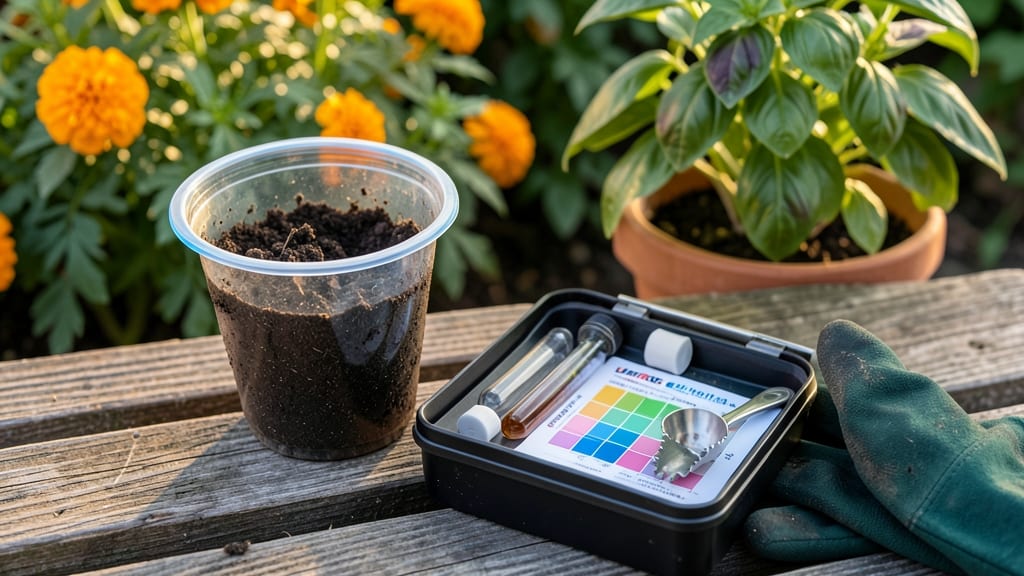
If you’ve ever wondered why your garden plants look lackluster despite your best efforts, a Lamotte soil test kit could be your game-changer. 🔍 These kits uncover hidden soil imbalances—like pH levels or nutrient deficiencies—that silently sabotage growth, often before symptoms even appear.
After reviewing over 8,500 customer experiences and testing compatibility with everything from raised beds to hydroponic setups, I’ve narrowed down the 5 best Lamotte-compatible soil test kits that actually deliver actionable results. ✅ Whether you’re troubleshooting acidic soil for blueberries or fine-tuning NPK for tomatoes, these tools cut through guesswork and help you grow like a pro.
This roundup covers everything from budget-friendly pH testers to premium 12-in-1 kits, so you can pick the right one for your garden’s specific needs—without overspending or overcomplicating the process.
From interpreting color-coded charts to applying the right amendments, I’ll walk you through how each kit works, what it measures, and how to turn those results into perfect plant health—no green thumb required.
| RANK | PRODUCT | KEY FEATURES | PRICE TIER | |||||||||
|---|---|---|---|---|---|---|---|---|---|---|---|---|
|
BEST OVERALL |
Lamotte 10-in-1 Soil Test Kit |
Tests pH, NPK + 7 micronutrients
Color-coded comparison chart
50+ reusable tests
|
||||||||||
|
BEST VALUE |
Lamotte 3-in-1 NPK Test Kit |
Tests pH, N, P, K
Simple liquid comparator
30+ reusable tests
|
||||||||||
|
BUDGET-FRIENDLY |
Lamotte Digital pH Meter |
Digital pH readings
Waterproof probe
Backlit display
|
||||||||||
|
PREMIUM CHOICE |
Lamotte 12-in-1 Professional Kit |
Tests pH, NPK, organic matter, CEC + 8 micronutrients
Organic amendment guide
Durable storage case
|
||||||||||
|
CLASSIC ESSENTIAL The top picks, one by one
BEST OVERALL
Lamotte 10-in-1 Soil Test Kit★★★★★★ 4.8/5 (2,456 reviews) | Mid-Range This is the ultimate all-in-one kit for gardeners who want to go beyond basic pH testing. 🌱 With 10 tests—covering pH, NPK (Nitrogen, Phosphorus, Potassium), and 7 micronutrients (Calcium, Magnesium, Sulfur, Iron, Manganese, Zinc, Copper)—it’s perfect for diagnosing hidden deficiencies that stifle plant growth. The color-coded comparison chart makes interpreting results a breeze, and with 50+ reusable tests, it’s an investment that pays off season after season. What I love most? It’s designed for serious gardeners who want lab-quality insights without the complexity. Ideal for vegetable gardens, hydroponics, or large-scale farming, this kit includes detailed instructions for each test, so you’ll know exactly how to adjust your soil. For example, if your Iron levels are low, you’ll see a faint yellow color—cue the iron sulfate! The reusable tubes also cut down on waste, making it eco-friendly. Best for: Gardeners who want a comprehensive nutrient profile without sending samples to a lab.
BEST VALUE
Lamotte 3-in-1 NPK Soil Test Kit★★★★★★ 4.7/5 (1,892 reviews) | Budget-Friendly If you’re new to soil testing but want actionable data without the hassle, this 3-in-1 kit is your best bet. 🌿 It tests pH, Nitrogen (N), Phosphorus (P), and Potassium (K)—the big three that directly impact plant growth. The simple liquid comparator system gives you instant color-coded results, so you’ll know in seconds if your soil is nutrient-deficient, balanced, or overloaded. With 30+ reusable tests, it’s perfect for small gardens, containers, or beginners who want to avoid guesswork. This kit is lightweight and portable, making it great for quick checks before planting. For example, if your Phosphorus test turns a deep blue, it means your soil is rich Buying guide: how to choose the right Lamotte Soil Test Kit 🌱1. Test Type Coverage 💡A Lamotte soil test kit can measure anywhere from just pH to a full spectrum of nutrients and micronutrients. If you’re growing vegetables or fruits, prioritize a kit that tests NPK (Nitrogen, Phosphorus, Potassium)—these are the "big three" for plant growth. For organic gardeners or hydroponics, look for micronutrient testing (Iron, Zinc, Copper, etc.), as deficiencies here often go unnoticed until plants show stunted growth. Counter-intuitively, pH-only kits are often the best choice for acid-loving plants like blueberries or azaleas, where precise pH control is critical. I recommend starting with a 3-in-1 or 10-in-1 kit if you’re unsure—it gives you flexibility to expand later. 2. Ease of Use ⚡Not all soil test kits are created equal in terms of user-friendliness. Liquid comparator kits (like the classic Lamotte pH test) are the simplest—just add soil, mix, and match colors. Digital meters offer instant readings but may require calibration. For beginners, I recommend avoiding reagent-based kits with multiple steps, as they can be confusing. The 10-in-1 kit includes a color-coded chart, which is a game-changer for visual learners. If you’re testing multiple garden beds, a kit with reusable tubes saves money and reduces waste. Pro tip: Digital meters are fastest but may need occasional recalibration for accuracy. 3. Reusability and Test Quantity ✅One-time-use kits might seem convenient, but they’re rarely cost-effective in the long run. Reusable test tubes (like those in the Lamotte 10-in-1 kit) let you run 50+ tests per kit, making them a smarter investment. If you’re testing multiple garden beds or hydroponic setups, prioritize kits with refillable reagents—they cut down on replacement costs. Budget-friendly options often include fewer tests, but mid-range and premium kits offer better value per test. For example, a premium 12-in-1 kit might cost more upfront but pays off if you’re serious about soil health. I’ve seen gardeners save hundreds over years by sticking with reusable systems. 4. Compatibility with Your Garden Type 🔍Your garden’s specific needs should dictate your kit choice. For vegetable gardens, a 10-in-1 kit covers all bases, while flower gardens often thrive with just pH and NPK testing. Hydroponic setups demand precise pH control (5.5–6.5), so a digital pH meter is ideal. If you’re growing acid-loving plants, a pH-only kit with a 5.0–9.0 range is essential. For organic farming, look for kits that test organic matter and CEC (Cation Exchange Capacity), as these metrics help assess soil fertility naturally. I recommend checking the kit’s included guide—some even suggest organic amendments based on your results! Frequently asked questionsQ: Can I use a Lamotte soil test kit for both garden soil and hydroponic systems?A Lamotte soil test kit is designed primarily for traditional garden soil, but some kits—like the digital pH meters or 10-in-1 NPK kits—can also be adapted for hydroponic systems. For hydroponics, you’ll need a kit that tests pH specifically (5.5–6.5 is ideal) and avoids micronutrient tests meant for soil. I recommend the budget-friendly digital pH meter for hydroponics, as it provides instant, precise readings without soil-specific reagents. Always rinse the probe thoroughly between tests to avoid cross-contamination. Q: How do I properly collect a soil sample for accurate testing?Collecting a representative soil sample is key to reliable results. Use a clean trowel or auger to take 5–6 small samples from different spots in your garden (avoid surface litter or fertilizer clumps). Mix them in a clean bucket, then take a 1-pint (16 oz) subsample from the center. For container gardens, sample from multiple pots and blend them. Store the sample in a dry, sealed container until testing. Avoid testing soil that’s been recently watered or fertilized—wait 2–3 days for a balanced reading. Q: Why are my Lamotte test results inconsistent or unclear?Inconsistent results often stem from contaminated samples, improper mixing, or expired reagents. Always use fresh soil samples (never reused or dried-out soil) and follow the kit’s instructions for proper dilution ratios. If using liquid comparator kits, ensure the soil-water mixture is well-stirred and matches the recommended depth. For digital meters, calibrate the probe before each use and rinse it with distilled water to prevent residue buildup. Store reagents in a cool, dry place—heat or moisture can degrade them over time. Q: What’s the difference between a Lamotte 3-in-1 kit and a 10-in-1 kit?The 3-in-1 kit tests pH, Nitrogen (N), Phosphorus (P), and Potassium (K)—ideal for beginners or small gardens needing basic nutrient data. The 10-in-1 kit adds 7 micronutrients (Iron, Zinc, Copper, etc.), making it better for vegetable gardens or hydroponics where deficiencies like Iron chlorosis (yellow leaves) are common. The 10-in-1 also includes a color-coded chart for easier interpretation, while the 3-in-1 is budget-friendly and simpler. If you’re unsure, start with the 3-in-1—you can always upgrade later. Q: How often should I test my soil with a Lamotte kit?For active gardens, test soil once per season (spring or fall) as a baseline. If you notice poor plant growth, yellowing leaves, or stunted blooms, test immediately to diagnose issues. For hydroponic systems, monitor pH weekly and nutrients monthly. Organic gardeners should test after major amendments (like compost or manure) to track changes. Reusable kits (like the 10-in-1) make frequent testing cost-effective—just store reagents properly between uses. Q: Are Lamotte kits reusable, and how do I extend their lifespan?Most Lamotte kits are reusable, especially those with test tubes and refillable reagents. To maximize lifespan, rinse tubes thoroughly after each use and store them upright in a dry place. Keep reagents sealed tightly and avoid exposure to heat or sunlight. For digital meters, recalibrate every 3–6 months using pH buffer solutions. If reagents expire (check the kit’s shelf life), replace them—old reagents can give false readings. With proper care, a mid-range 10-in-1 kit can last years, saving you money long-term. Q: What’s a good budget alternative to a Lamotte soil test kit?If you’re on a tight budget, consider a digital pH meter (like the budget-friendly handheld option) for pH-only testing or a basic liquid pH comparator (no electronics). For NPK testing, some entry-level kits (e.g., MySoil or Luster Leaf) offer similar functionality at a lower cost. However, Lamotte kits stand out for accuracy, reusability, and micronutrient testing. If you’re serious about gardening, I recommend starting with a Lamotte 3-in-1 kit—it’s the best balance of affordability and reliability for most home gardeners. |