
How To
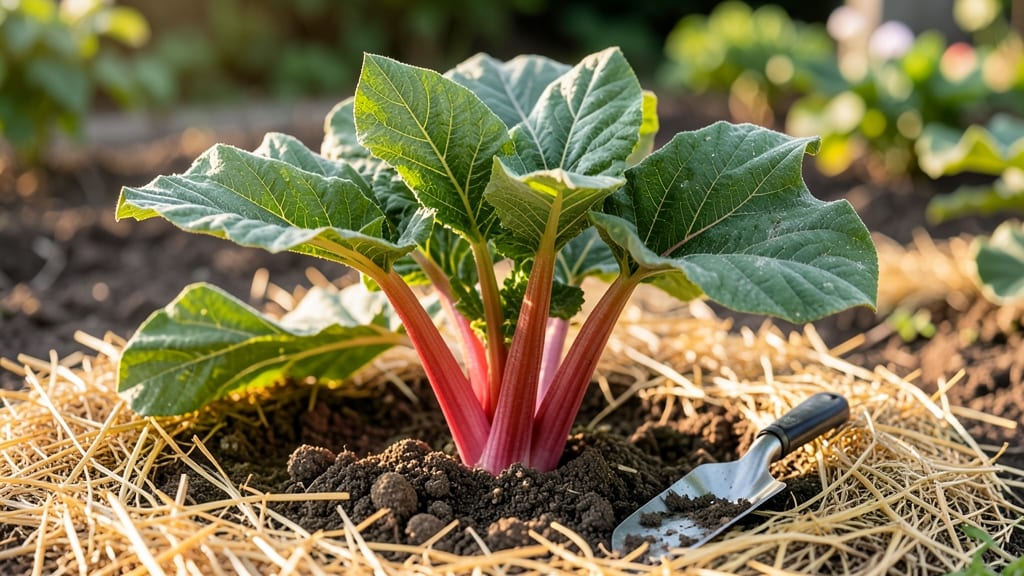
The right soil for rhubarb is the secret to those tangy, vibrant stalks you’ll be snipping by early summer. 🌱 I learned the hard way—my first rhubarb plants produced tough, bland stalks because the soil was too heavy and alkaline.
The ideal mix is a slightly acidic loam with perfect drainage, and I’ll show you exactly how to create it. Rhubarb thrives in well-draining soil with a pH between 5.5 and 6.5—too alkaline, and the stalks turn woody; too acidic, and nutrients lock up.
The key is organic matter: mix in 3-4 inches of compost and a handful of peat moss or pine needles to lower pH naturally. Avoid clay-heavy soil unless you amend it heavily.
Once you’ve got the mix right, your plants will reward you with bold, ruby-red stalks by their second year. The first harvest comes in late spring, and with proper soil prep, you’ll get years of reliable growth—no more bland, stringy disappointment.
This works for in-ground beds, raised beds, or even containers (though they need deeper pots). Whether you’re starting from crowns or seedlings, the soil is the foundation of success. Let’s get those roots happy!
📚 In This Guide
- What you need
- Instructions
- Tips and common mistakes
- Wrapping up and next steps
What you need
- ● Topsoil (6-12 inches deep): Well-draining, loamy soil with a pH of 6.0–6.8 (slightly acidic). Aim for 2–3 cubic yards per 100 sq. ft. of garden bed.
- ● Compost or well-rotted manure: 2–3 gallons per planting hole or spread evenly over the bed. Boosts organic matter and fertility.
- ● Peat moss or pine bark fines: 1–2 buckets per planting area to lower pH and improve moisture retention.
- ○ Garden lime (optional but helpful if soil is too acidic): 1–2 lbs per 100 sq. ft. (test pH first!).
- ● Rhubarb crowns or roots: 1–2 plants per 18-inch spacing (or 3–4 plants per 3-foot spacing for larger beds).
- ● Garden trowel or spade: For digging planting holes and mixing soil amendments.
- ● Garden fork or rototiller: To loosen soil to a depth of 12+ inches.
- ● pH testing kit: Digital or liquid test strips to monitor soil acidity before planting.
- ● Garden hose or watering can: For thorough watering after planting.
- ● Mulch (straw, wood chips, or leaves): 2–3 inches to retain moisture and suppress weeds.
- ● Slow-release fertilizer (10-10-10 or organic): ½ cup mixed into soil at planting for a nutrient boost.
- ● Soil conditioner (like coconut coir): Improves drainage in heavy clay soils.
- ● Epsom salt (magnesium sulfate): 1 tbsp per plant annually to prevent leaf yellowing.
How to prepare the perfect soil for rhubarb growth
Rhubarb thrives in specific soil conditions—get these right and you'll unlock sweet-tart stalks for years.
🌱 Step 1: Test and Amend Your Soil's pH and Texture
Rhubarb demands a slightly acidic to neutral pH of 6.0 to 7.0—anything outside this range stunts growth. Grab a soil test kit and check your current pH. If it's below 6.0, mix in pelletized lime (about 1 pound per 100 square feet) to raise it gradually. For pH above 7.0, work in elemental sulfur (½ pound per 100 sq ft) and water thoroughly.
Texture matters just as much. Rhubarb roots spread wide but shallow, so aim for a loamy soil that drains freely but holds moisture. If your soil is heavy clay, incorporate 3-4 inches of compost and 1-2 inches of coarse sand into the top 12 inches. For sandy soil, blend in equal parts compost and peat moss to improve water retention. Work these amendments into the soil at least 4-6 weeks before planting—rhubarb won't tolerate rushed soil prep.
🌿 Step 2: Build a Nutrient-Rich Planting Bed
Rhubarb is a heavy feeder, so enrich the soil with 3-4 inches of well-aged compost mixed into the top 12 inches of soil. I like to add a 5-10-10 fertilizer (about 1 pound per 100 sq ft) at planting time to kickstart growth. Spread it evenly and work it into the top 6 inches of soil—this ensures roots have immediate access to phosphorus for strong root development and potassium for disease resistance.
For long-term fertility, top-dress the bed annually in early spring with 2-3 inches of compost and a low-nitrogen fertilizer (like 0-10-10). Rhubarb's stalks are edible stems, not leaves, so you don’t want excessive nitrogen encouraging leafy growth at the expense of harvestable stalks. Mulch with 2-3 inches of straw after planting to retain moisture and suppress weeds—rhubarb hates competition.
☀️ Step 3: Ensure Proper Drainage and Sun Exposure
Rhubarb roots rot in soggy soil, so your bed must drain within 6-8 hours after heavy rain. If water pools after 24 hours, raise the bed by 4-6 inches or amend with 1-2 inches of perlite mixed into the top 12 inches. I often plant rhubarb on a slight mound to encourage drainage—this also prevents crown rot, a common issue in low-lying areas.
Position your rhubarb in a spot with full sun (6-8 hours daily)—partial shade reduces stalk production and sweetness. The first year, focus on establishing roots; after that, 6+ hours of sun is non-negotiable for tangy, vibrant stalks. If your climate is hot and dry, drip irrigation keeps roots consistently moist without surface puddling. Avoid overhead watering—it splashes soil onto leaves, inviting fungal diseases like rust.
⏰ Step 4: Monitor and Maintain Soil Health Year-Round
Soil for rhubarb isn’t a one-time fix—it’s an ongoing commitment. Every spring and fall, retest the pH and adjust if needed. In early spring, side-dress with ½ pound of 0-10-10 fertilizer per 100 sq ft to support new growth. After harvesting stalks in late spring, replace lost nutrients by top-dressing with 2 inches of compost and a light mulch of straw to retain moisture.
Watch for signs of soil stress: yellowing leaves signal nutrient deficiency (add compost and fertilizer), while mushy stalks at the base mean poor drainage (raise the bed or amend with sand). Healthy rhubarb soil should feel crumbly when moist and smell earthy, not sour or chemical. With consistent care, your soil will reward you with bold, tangy stalks for decades—rhubarb crowns can live (and produce) for 20+ years if conditions stay ideal.
Tips & tricks for perfect rhubarb soil preparation
Your rhubarb's future depends on these soil secrets—get them right and you'll harvest sweet-tart stalks for decades.
pH Precision: The 6.0 to 7.0 pH range is non-negotiable for rhubarb growth. I've seen gardeners add lime or sulfur too aggressively, which can cause pH swings that stress plants. For best results, test your soil again 4-6 weeks after amending—this gives amendments time to fully integrate. If you're in doubt, aim for the 6.5 mark as your sweet spot for optimal stalk development.
Texture Transformation: When amending heavy clay soil, don't just toss in compost and sand—actually dig it down to the 12-inch mark. I use a broadfork to loosen compacted layers first, then mix in amendments. For sandy soil, blend compost and peat moss thoroughly; clumps will create pockets where water drains too quickly, leaving roots thirsty. The goal is that loamy crumble—like a well-made cake batter.
Drainage Drama: The 6-8 hour drainage window after rain is critical. To test your bed, dig a 6-inch deep hole, fill with water, then time how long it takes to drain. If water lingers beyond 8 hours, your bed needs elevation or more perlite. I've had success creating raised beds with 4-6 inch sides—just ensure they're wide enough (at least 3 feet across) to accommodate rhubarb's sprawling roots.
Nutrient Timing: That 5-10-10 fertilizer at planting isn't just for show—it provides phosphorus for root establishment and potassium for disease resistance during the critical first year. I like to apply half the recommended amount at planting, then top-dress with the remaining half in early spring of the second year. This staggered approach prevents nutrient burn while maintaining consistent growth.
Pro Tips for Soil For Rhubarb
- Your rhubarb's future depends on these soil secrets—get them right and you'll harvest sweet-tart stalks for decades.
- pH Precision: The 6.0 to 7.0 pH range is non-negotiable for rhubarb growth.
- Texture Transformation: When amending heavy clay soil, don't just toss in compost and sand—actually dig it down to the 12-inch mark.
Frequently asked questions
Got questions about the perfect soil for rhubarb? You’re not alone!
Here are the answers to the most common queries—so you can grow tangy, thriving stalks with confidence.
What’s the ideal pH for rhubarb soil?
Rhubarb thrives in slightly acidic to neutral soil, with a pH range of 5.5 to 6.5. Test your soil with a kit—if it’s too alkaline (above 7.0), amend with peat moss or sulfur to lower the pH. Avoid overly acidic soil (below 5.0), which can stunt growth.
How long does it take for soil to become suitable for rhubarb?
If you’re amending clay or sandy soil, give it 4–6 weeks to settle after adding compost, peat moss, or organic matter. For heavy clay, consider double-digging (mixing topsoil with amendments) a month before planting. Patience pays off—rhubarb rewards well-drained, fertile soil!
Can I grow rhubarb in containers? What soil mix should I use?
Yes! Use a large container (at least 18 inches deep) with a mix of:
- 60% high-quality potting soil (for drainage)
- 30% compost (for nutrients)
- 10% perlite or vermiculite (to prevent compaction)
Why is my rhubarb wilting or turning yellow, even with good soil?
Yellowing leaves or wilting often signal overwatering (rhubarb hates soggy roots) or nutrient deficiencies. Check for:
- Drainage issues: Ensure soil isn’t compacted; add sand if needed.
- Nitrogen deficiency: Feed with balanced fertilizer (10-10-10) in early spring.
- Pests/disease: Inspect for aphids or fungal spots; treat with neem oil if necessary.
Can I reuse rhubarb soil from last year?
Yes, but refresh it! Rhubarb depletes soil nutrients over time. Remove old plants, loosen the soil, and mix in:
- 2–3 inches of compost or well-rotted manure.
- A handful of bone meal (for phosphorus) if stalks are weak.
Wrapping up and next steps
Growing tangy, vibrant rhubarb starts with the right soil—acidic loam packed with organic matter and proper drainage. With the right mix of compost, sand, and a touch of sulfur, you’re setting your plants up for success. Don’t let soil stress hold you back—your future harvests will thank you!
Ready to plant with confidence? Grab your gloves, test that soil pH, and get those rhubarb crowns in the ground. Sweet (or tart!) rewards await! 🌱