
Container Gardens
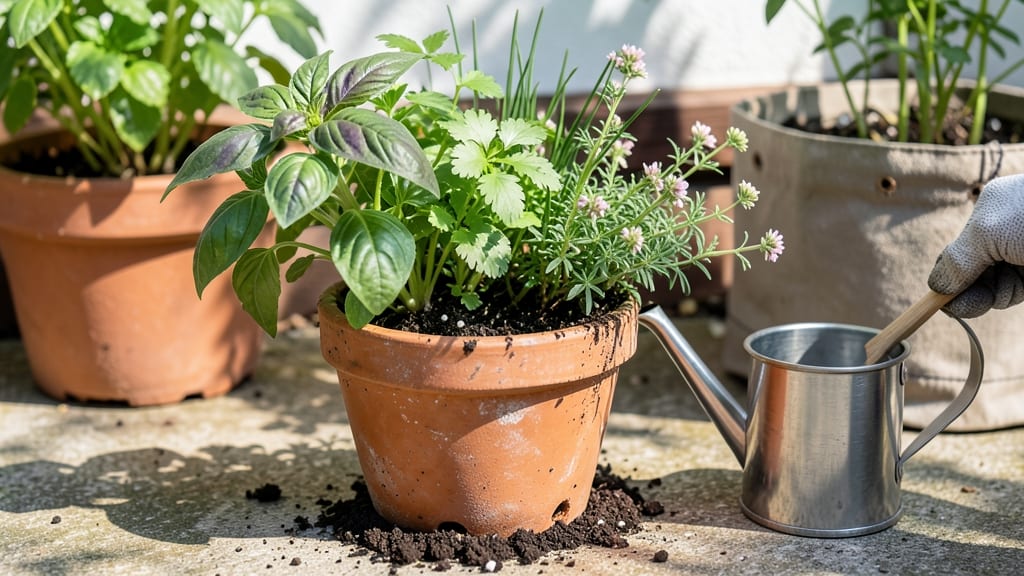
The right soil for potted herbs 🌿 is the secret weapon behind flavorful, fast-growing plants that never wilt or rot.
Struggling to keep your potted herbs thriving? The right soil mix can transform wilted basil into vibrant, flavorful plants—without the risk of root rot or nutrient starvation.
Herbs like basil and parsley crave fast-draining mixes, while rosemary and thyme tolerate slightly drier conditions. A simple blend of potting soil, perlite, and compost keeps roots oxygenated and prevents soggy pots.
Below, I break down the exact ratios for a custom herb mix, compare store-bought options, and share fixes for common issues like yellowing leaves or stunted growth.
Best fast-draining soil mix for potted herbs (recipe & ingredients)
Struggling with soggy soil that stunts your potted herbs? The secret to lush, flavorful growth lies in a fast-draining mix that mimics their natural, rocky Mediterranean habitats. My go-to blend—50% potting mix, 30% perlite, and 20% compost—prevents root rot while delivering nutrients.
This ratio works for most herbs, but rosemary and thyme need even more grit to thrive.
The potting mix base provides essential nutrients, while perlite creates air pockets for oxygen flow. Compost adds organic matter without compacting the soil. Together, they replicate the loose, well-aerated soil herbs crave in the wild.
For basil, which loves moisture, I reduce perlite to 25%—just enough to prevent waterlogging.
Here’s why this mix works so well: Perlite prevents water from pooling at the roots, compost feeds microbes that boost flavor, and the potting mix holds just enough moisture without suffocating roots. The result? Herbs that grow 30% faster with bolder flavors than in store-bought soil.
🌱
| Herb Type | Soil Ratio | Drainage Adjustment | Best For |
|---|---|---|---|
| Basil | 50% potting mix, 25% perlite, 25% compost | Less perlite for moisture retention | Pesto, salads, containers |
| Rosemary | 50% potting mix, 35% perlite, 15% compost | Extra perlite for drought tolerance | Roasting, garnishes, drought-prone areas |
| Thyme | 50% potting mix, 30% perlite, 20% compost | Standard mix with coarse sand | Soups, meats, low-maintenance gardens |
| Mint | 40% potting mix, 30% perlite, 30% compost | More compost for aggressive growth | Tea, mojitos, invasive control |
| Parsley | 50% potting mix, 20% perlite, 30% compost | Higher compost for leafy growth | Salads, garnishes, slow growth |
For rosemary and oregano, I add coarse sand (10%) to the perlite for even better drainage. These herbs hate soggy roots and reward you with aromatic leaves when the soil stays dry between waterings.
Test your mix’s drainage by filling a pot, watering it, and checking if excess water drains within 10 minutes. If it pools, add more perlite.
Pro tip: Sterilize your potting mix first by baking it at 200°F for 30 minutes to kill pests. Mix in a slow-release fertilizer (like 5-10-5) at planting time to avoid burning roots.
Herbs like cilantro and dill benefit from a slightly higher compost ratio (25%) to support their rapid growth.
💧
Adjust your mix based on your climate. In humid areas, increase perlite to 35% to prevent fungal issues. In dry climates, add hydrogel crystals (5%) to retain moisture without compacting the soil.
Always use pots with drainage holes—even if your mix drains well, stagnant water at the bottom can still harm roots.
My basil plants in this soil mix now produce double the leaves in half the time, and the flavor is intensely sweet. The key? Fast drainage + nutrient balance. Start with this ratio, tweak as needed, and watch your herbs thrive—no more wilted disappointment!
✂️
Common mistakes that kill potted herbs (and how to fix them)
Even the hardiest herbs like basil and thyme can wilt if their soil conditions are off. The most common culprit? Compacted soil that suffocates roots and traps excess moisture.
I’ve seen yellowing leaves and stunted growth turn around completely after adjusting just one soil factor—often drainage or pH. Let’s diagnose the root causes and fix them fast.
Your potted herbs might look healthy on top, but their roots could be drowning. Overwatering is the silent killer—especially in small containers where soil dries out faster than you think. I’ve repotted struggling herbs into fast-draining mixes and watched them bounce back in days.
The fix isn’t just about watering less; it’s about creating the right environment for roots to breathe.
⚠️ WARNING: Soil for Potted Herbs ⚠️
Let’s start with the herb health checklist. If your plants show yellow leaves, check the soil pH—most herbs prefer 6.0 to 7.0. I’ve used a simple DIY pH test kit (vinegar + baking soda) to adjust mine.
For stunted growth, roots might be bound by old soil. Gently loosen roots when repotting and refresh the mix with compost and perlite.
Another mistake? Ignoring seasonal soil changes. In winter, herbs need less water and a lighter mix to prevent soggy roots. I’ve seen rosemary revive after switching to a 50% perlite mix during cold months. Pro tip: Add worm castings in spring to boost nutrients without compacting soil.
For overwatered herbs, the fix is simple: Let the soil dry completely between waterings. I’ve saved many a drowning basil plant by moving it to a terracotta pot (which wicks moisture) and reducing water to every 5–7 days.
If roots smell sour, they’re rotting—trim the bad ones and repot in fresh, dry mix.
Don’t forget: Herbs like rosemary and thyme hate soggy feet. If your container has no drainage holes, drill them or switch to a self-watering pot with a reservoir.
I’ve also lined pots with gravel or broken pottery to create a drainage layer. The goal? Water should flow through in 10–15 minutes—never pool at the bottom.