
Fertilization
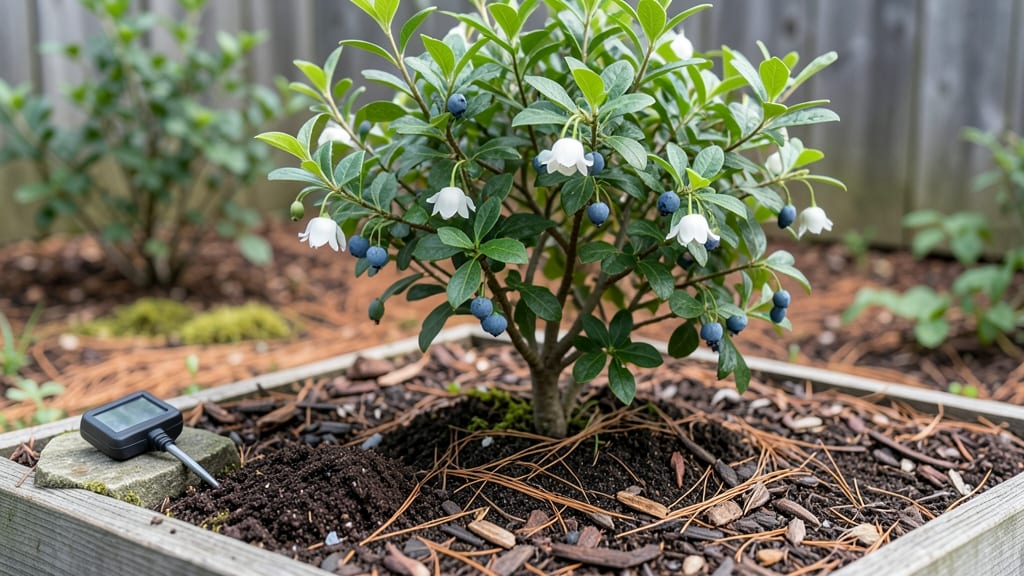
The right soil for blueberry plants is the difference between a bush that thrives and one that struggles. 🌿 I learned this the hard way when my first blueberry plants produced tiny, sour berries—until I finally got their acidic soil needs right.
These plants demand a low-pH mix (4.5–5.5) packed with organic matter, and without it, they’ll fight you every step of the way.
A peat-based mix is your best bet, but it’s not just about the peat—you’ll also need sulfur or pine needles to keep the pH stable, plus sand or perlite for drainage. The goal is a loose, airy soil that mimics their natural bog habitat.
Too much clay or alkaline soil, and you’ll end up with yellow leaves and no berries. Once you’ve got the mix right, your plants will reward you with vibrant green foliage and buckets of sweet, juicy berries.
The key is testing your soil every spring and adjusting with amendments if needed—don’t skip this step, or you’ll be stuck with underperforming bushes. Container growing? Use the same mix but add a slow-release fertilizer to keep nutrients flowing.
And if your soil feels too heavy, mix in coconut coir for extra fluff. Trust me, your blueberries will thank you.
📚 In This Guide
- What you need
- Instructions
- Tips and common mistakes
- Wrapping up and next steps
What you need
- ● Peat moss or coco coir: 50% (lowers pH, retains moisture) – 1 part
- ● Pine bark fines or fir bark: 25% (improves aeration) – ½ part
- ● Compost or well-rotted leaf mold: 25% (adds nutrients) – ½ part
- ● Sulfur (powdered or pellets): 1–2 tbsp per 5-gallon mix (adjusts pH to 4.5–5.5)
- ● Balanced organic fertilizer (e.g., 5-5-5 or 10-10-10): 1 tbsp per 5-gallon mix (boosts growth)
- ● Garden gloves (to protect hands from sulfur/peat)
- ● Garden trowel or shovel (for mixing)
- ● pH testing kit (digital or liquid test strips)
- ● Large container or wheelbarrow (for blending)
- ○ Optional: Perlite or vermiculite (5–10%) for extra drainage
- ○ Optional: Lime-free compost (if local soil is too alkaline)
- ● 🔥 Test your soil first! Blueberries hate alkaline soil—aim for pH 4.5–5.5.
- ● ✨ For containers: Use a pre-mixed acidic potting soil (like Fafard or Black Gold) to skip blending.
- ● 🌡️ Replenish annually: Add sulfur and compost every spring to maintain acidity.
How to create the perfect acidic soil mix for blueberry plants
Blueberries thrive in soil that mimics their natural bog habitat—here's how to mix it right the first time.
🌱 Step 1: Start with the Right Base Materials
Blueberries demand acidic soil with a pH between 4.5 and 5.5. Begin with 50% peat moss or coconut coir—this forms the acid-loving foundation. Peat moss holds moisture while maintaining that critical low pH, but coconut coir is a more sustainable alternative that works just as well. I always sift mine to remove any stray twigs or debris that could harbor pests.
Next, add 30% pine bark fines—this chunky material improves drainage while slowly releasing acidity as it breaks down. The bark's coarse texture also prevents soil compaction, which blueberry roots despise. If you're using fresh bark, let it sit uncovered for a week first to mellow out any harshness.
💧 Step 2: Add Organic Matter for Nutrition and Structure
Incorporate 10% composted leaf mold—this aged, decomposed leaf material is the secret weapon for blueberry soil. It provides essential micronutrients while maintaining that perfect acidic environment. I like to blend it in by hand to ensure even distribution, as leaf mold can be clumpy. Avoid fresh leaves or yard waste, which may contain weeds or pathogens.
For the final 10% of the mix, add sand or perlite to improve drainage. Blueberries hate soggy roots, so this adjustment prevents waterlogging. I use coarse horticultural sand because it breaks down more slowly than perlite, giving the mix better long-term structure. Mix everything thoroughly until the texture feels light and airy—like crumbled cake crumbs.
✂️ Step 3: Adjust pH and Test Before Planting
Blueberries are finicky about pH, so grab a soil pH test kit before planting. If your mix tests above 5.5, amend it with elemental sulfur (1 pound per 100 square feet) or peat moss to lower the pH. I've found that adding a handful of crushed pine needles also helps—just work them into the top 6 inches of soil. These natural amendments take time to adjust pH, so test again in 2-3 weeks.
For an instant boost, mix in cottonseed meal (about ½ cup per plant)—it's a slow-release nitrogen source that also acidifies the soil. Water the amended mix thoroughly, then wait 24 hours before planting. This gives the soil time to settle and ensures your blueberry roots start in properly balanced conditions.
☀️ Step 4: Maintain Soil Acidity After Planting
Blueberries need consistent acidity, so plan to retest soil pH every spring and amend as needed. I top-dress plants annually with 2 inches of pine bark mulch—this maintains acidity while suppressing weeds. Avoid lime or wood ash at all costs; these raise pH and will kill your plants faster than you can say "blueberry blight."
Watering habits matter too. Blueberries prefer consistent moisture, so I use rainwater or distilled water whenever possible—tap water often contains minerals that raise pH. If your tap water is hard, collect rainwater in barrels for the summer months. The goal is to keep the soil evenly moist but never waterlogged, especially during the first growing season.
Tips & tricks for perfect blueberry soil mix
Between us, creating the right acidic soil mix for blueberries is where the magic happens—or where things can go terribly wrong. Here’s how to avoid common pitfalls and get it right the first time.
Mixing Ratio Precision: When combining your 50% peat moss or coconut coir with 30% pine bark fines, use a kitchen scale for accuracy. Volume measurements can vary wildly—what looks like "half" in a bucket might actually be 40% or 60%. Weighing ensures you hit that critical 50-30-10-10 ratio exactly. I learned this the hard way after my first batch was too dense and compacted.
Leaf Mold Quality Check: Not all composted leaf mold works equally well. Look for dark brown, crumbly material without any visible plant debris or seeds. If your leaf mold smells musty or has a green tint, it hasn't fully decomposed—this can introduce weeds or pathogens. I always test a small batch by mixing it with water; if it clumps like wet sand, it's ready to use.
pH Testing Timing: The 24-hour waiting period after amending with elemental sulfur or cottonseed meal is non-negotiable. These amendments need time to react with the soil chemistry. I test my mix twice: once immediately after mixing amendments, and again after those 2-3 weeks. This two-step process catches any pH shifts before planting.
Storage Wisdom: If you're prepping soil mix ahead of time, store it in a dry, covered container for up to 3 months. Keep it away from direct sunlight to prevent oxidation, which can raise pH over time. I keep mine in a sealed trash can with a lid—it works perfectly and protects from moisture. Just give it a good stir before use, as ingredients may settle differently.
Pro Tips for Soil For Blueberry Plants
- Between us, creating the right acidic soil mix for blueberries is where the magic happens—or where things can go terr...
- Mixing Ratio Precision: When combining your 50% peat moss or coconut coir with 30% pine bark fines, use a kitchen sca...
- Leaf Mold Quality Check: Not all composted leaf mold works equally well. Look for dark brown, crumbly material withou...
Frequently asked questions
Got questions about creating the perfect soil mix for your blueberry plants? You're not alone! Here are some of the most common concerns—and their answers—to help you grow the juiciest berries.
What’s the ideal pH range for blueberry soil?
Blueberries thrive in acidic soil with a pH between 4.5 and 5.5. Test your soil with a kit—if it’s too alkaline (above 6.0), amend it with sulfur or peat moss to lower the pH gradually. Pro tip: Avoid lime at all costs—it’ll kill your acid-loving plants!
How long does it take for soil amendments to adjust pH?
Adjusting pH isn’t instant! It can take 2–6 months for sulfur or organic matter (like pine bark) to fully acidify the soil. Retest monthly and reapply amendments if needed. Patience is key—rushing can harm plant roots.
Can I use regular garden soil for blueberries?
Nope! Regular soil is usually too alkaline. Instead, mix 50% peat moss or coconut coir (for acidity) with 30% compost and 20% perlite or sand (for drainage). For containers, a pre-made acidic potting mix works best.
Why are my blueberry leaves turning yellow?
Yellow leaves often signal high pH or nutrient deficiencies. Check your soil pH first—if it’s too alkaline, lower it. Yellowing can also mean iron or magnesium deficiency. Use a chelated iron supplement or Epsom salt (for magnesium) to revive your plants.
Do blueberries need different soil in containers vs. in-ground?
Yes! Container-grown blueberries need a lighter, well-draining mix (like 70% peat/coco coir + 30% perlite). In-ground plants benefit from amended native soil with compost and pine bark. Pro tip: Containers dry out faster—water more frequently!
Wrapping up and next steps
Growing thriving blueberry bushes starts with the right soil for blueberry plants—a low-pH, peat-based mix that mimics their natural acidic habitat. 🌱 Whether you’re amending existing soil or crafting a custom blend, prioritizing organic matter, proper drainage, and consistent acidity will set your plants up for success.
With patience and care, you’ll soon enjoy a bountiful harvest of juicy, sweet berries!
Ready to get started? Test your soil’s pH today and take the first step toward a flourishing blueberry patch! 🌿