
How To
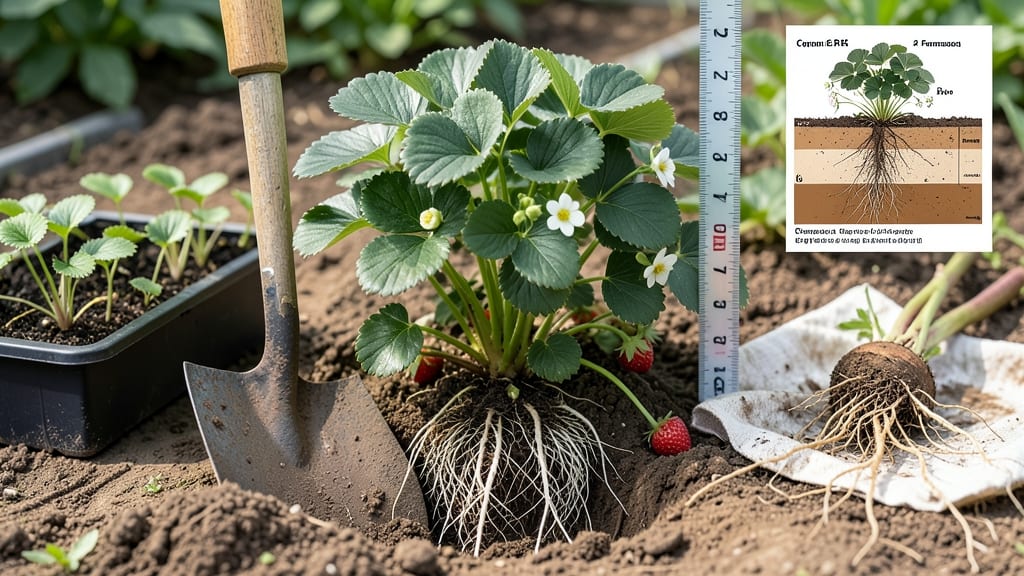
Growing lush, productive strawberries starts with the right soil depth for strawberries—a detail most gardeners overlook until the plants underperform.
Picture this: you’ve planted your 🍓 in rich soil, only to watch them produce tiny, sour berries or struggle to survive summer heat. The issue? Too shallow or too deep soil throws off root growth, drainage, and nutrient access.
Get this one step right, and you’ll see bigger, sweeter harvests with far less effort.
Strawberries thrive when their roots spread 6 to 12 inches deep—enough to anchor the plant but not so deep that water pools around the crown. The key is loose, well-draining soil that mimics their natural woodland habitat. Whether you’re planting in-ground or containers, small adjustments here make all the difference.
In this guide, I’ll walk you through how to test your soil depth, fix common mistakes (like over-mulching or compacted beds), and tailor the perfect root zone for your climate. By the end, you’ll know exactly how to set your strawberries up for a high-yielding, disease-resistant season.
Optimal soil depth for strawberries: the science behind root growth
Strawberries thrive when planted in soil that provides the perfect balance of depth and aeration. The ideal soil depth for strawberries is between 6 to 12 inches, allowing roots to spread comfortably while preventing waterlogging. This range supports strong root development, which directly impacts fruit production and plant longevity.
Understanding the root zone anatomy of strawberries is key. Their fibrous roots spread horizontally, but they also need vertical space to access nutrients and water. The crown (where leaves meet roots) must sit at soil level—burying it too deep or leaving it exposed stresses the plant and reduces yields.
Soil type plays a critical role in determining the best depth. Sandy soil drains quickly but may require deeper planting (up to 12 inches) to retain moisture, while clay soil benefits from shallower depths (6 inches) to prevent compaction. Loamy soil, the gold standard, naturally balances both needs.
Deeper soil isn’t always better—over-deep planting can suffocate roots by cutting off oxygen flow. Strawberries also struggle in waterlogged conditions, which often occur in excessively deep, poorly draining soil. The 6–12 inch range ensures roots have enough space to explore while maintaining proper aeration.
For container-grown strawberries, aim for at least 12 inches of soil depth in pots. Smaller containers restrict root growth, leading to stunted plants and smaller berries. Use lightweight potting mixes with added perlite or vermiculite to improve drainage in confined spaces.
Soil depth affects disease resistance too. Shallow planting exposes roots to temperature fluctuations, increasing susceptibility to fungal infections like gray mold. Meanwhile, compacted soil limits root expansion, weakening plants and reducing their ability to fight pests.
Test your soil’s depth by digging a hole near where you’ll plant. If the hole collapses easily, your soil is too compacted—amend it with compost or peat moss to improve structure. For heavy clay, consider creating a raised bed with a mix of sand and organic matter.
Remember: consistent moisture is just as critical as depth. Strawberries need 1–1.5 inches of water weekly, delivered at the soil level (not overhead) to prevent fungal diseases. Mulching with straw helps retain moisture while keeping roots cool.
When planting, use a trowel to create a shallow trench (about 6 inches deep) and place the crown at soil level. Gently backfill with amended soil, pressing lightly to eliminate air pockets. This method ensures roots have immediate access to nutrients without stress.
By mastering soil depth, you’ll give your strawberries the strong foundation they need for vibrant growth and bountiful harvests. Pay attention to your local soil type and adjust accordingly—your plants will thank you with sweeter, juicier berries all season long. 🌱🍓
How to measure and adjust soil depth for strawberry beds
Getting the soil depth right for strawberries is like finding the sweet spot for a perfect berry—too shallow, and roots suffocate; too deep, and drainage suffers. The ideal 6–12 inches of loose soil gives strawberry roots the room they need to spread while keeping moisture and nutrients balanced.
Before you plant, test your current soil depth to avoid common pitfalls like root binding or waterlogged beds.
Start by gathering your tools: a trowel or soil probe, a measuring tape, and a small shovel. If your soil feels compacted or lacks organic matter, don’t worry—we’ll fix that too.
Whether you’re working with in-ground beds or containers, these steps will help you create the perfect environment for your strawberries to thrive. Let’s dig in!
-
Step 1: Test Current Soil Depth
Use a soil probe or trowel to poke into the soil until you hit resistance. Measure the depth from the surface to where the probe stops. Aim for 6+ inches of loose soil—if it’s less, you’ll need to amend.
-
Step 2: Loosen Compacted Soil
If your soil is hard or clay-heavy, break it up with a shovel or garden fork to a depth of 12 inches. Mix in 2–3 inches of compost to improve aeration and drainage.
-
Step 3: Build Raised Beds (If Needed)
For poor soil or high water tables, create raised beds 6–12 inches deep. Use a mix of topsoil, compost, and perlite for ideal root space and drainage.
-
Step 4: Adjust for Containers
Containers need at least 8 inches of soil depth. Use a well-draining potting mix with 20% perlite or sand to prevent root rot.
-
Step 5: Plant at the Right Level
Place the strawberry crown (where leaves meet roots) just above the soil line. Burying it too deep causes rot; leaving it exposed risks drying out.
Once your soil depth is perfect, mulch with straw or wood chips to retain moisture and suppress weeds. This keeps roots cool and protects them from temperature swings. Remember, strawberries are shallow-rooted, so focus on keeping the top 6 inches of soil consistently moist but never soggy.
Pro tip: If your garden has clay soil, mix in coarse sand or peat moss to improve drainage. For sandy soil, add organic compost to hold moisture longer. Both adjustments will give your strawberries the balanced environment they crave for bigger, sweeter fruit.
After planting, monitor your strawberries for signs of stress like yellowing leaves or stunted growth—these could signal soil depth issues. Adjust mulch or watering as needed, and soon you’ll be harvesting plump, juicy berries straight from your perfectly prepped bed! 🍓