
Pests
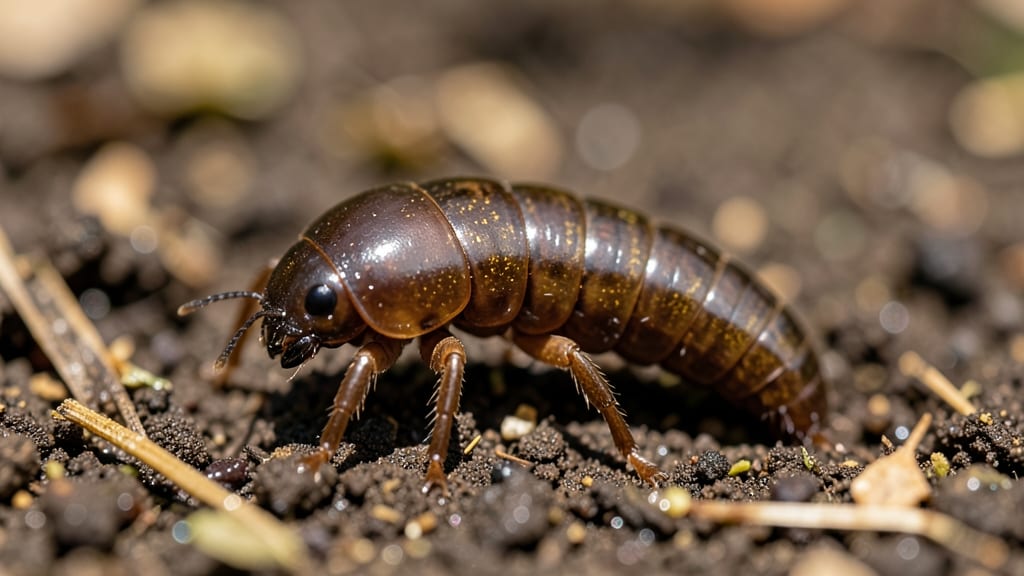
Soil beetle larvae can turn your thriving garden into a chewed-up mess overnight—unless you know how to outsmart them naturally. 🌱 I learned the hard way when my prized tomato plants wilted from hidden grubs feasting on roots, but these sneaky pests have a weakness: beneficial nematodes and simple soil tweaks that work better than chemicals.
The damage starts subtly—yellowing leaves, stunted growth, or plants that topple like they’ve been hollowed out. What you can’t see below ground is the real story: white, C-shaped larvae munching through roots like they’re at a buffet. The good news? You don’t need harsh sprays to stop them.
With neem oil, milky spore, or beneficial nematodes, you can break their life cycle without leaving toxic residue. A single treatment in early spring or after harvest can protect your garden for months—no gloves, no masks, just targeted action where it counts.
This works for vegetables, perennials, and even lawns, and the methods scale from a single raised bed to a full backyard. Let’s get those grubs under control the smart way.
Hidden Triggers Inviting Larvae
Soil beetle larvae—often called "grubs"—don’t just appear out of nowhere. Their presence is usually a sign of ideal conditions in your lawn or garden, whether you realize it or not. Understanding why these pests thrive helps you disrupt their life cycle before they become a full-blown problem.
Let’s break down the key factors that turn your yard into a five-star grub buffet.
Beetle larvae love moist, soft soil—think of it as their natural playground. Here’s how overwatering and poor drainage create the perfect breeding ground:
- Excess Moisture: Grubs need damp soil to survive, especially during their larval stage. If your lawn stays soggy for days after rain or overwatering, you’re essentially running a grub spa. 🌧️🐛
- Compacted Soil: Heavy foot traffic, machinery, or clay-heavy soil compresses the ground, making it easier for beetles to burrow and lay eggs. Compacted areas also hold moisture longer, extending the grubs’ "staycation."
- Thatch Buildup: A thick thatch layer (dead grass and roots) traps moisture and organic matter—grub food and shelter. If your lawn’s thatch is over ½ inch thick, you’ve got a red flag.
Actionable Fix: Test your soil’s drainage by digging a 6-inch hole and filling it with water. If it drains in less than 6 hours, you’re golden. If not, aerate in fall and reduce watering to 1 inch per week (including rain).
Lush, green lawns aren’t always a sign of health—they can also be a grub magnet. Here’s why:
- High Nitrogen Fertilizer: Grubs thrive on nitrogen-rich grass. If you’ve been fertilizing heavily in spring or summer, you’re essentially broadcasting a "Welcome to Grubville" sign. 🚩
- Organic Debris: Leaf litter, grass clippings, and compost piles provide both food and shelter. Beetles lay eggs in these cozy spots, knowing their larvae will have a smorgasbord.
- Weak Grass Varieties: Some grasses (like Kentucky bluegrass and tall fescue) are grubs’ favorites because they’re soft and easy to munch. If your lawn is thin or patchy, it’s even more vulnerable.
Actionable Fix:
- Switch to a slow-release, balanced fertilizer (e.g., 16-4-8) in early fall instead of spring/summer.
- Mow high (3–4 inches) to shade soil and reduce egg-laying sites.
- Rake up thick thatch and leaf debris—especially in late summer, when beetles are most active.
Beetle adults (like Japanese beetles or June bugs) are drawn to sunny, warm areas where they can bask and breed. Here’s how sunlight and heat set the stage:
- South- or West-Facing Lawns: These areas get the most heat, speeding up beetle activity. Adults emerge earlier in these spots, lay eggs faster, and create larger grubs.
- Recent Disturbances: Newly seeded lawns, freshly tilled garden beds, or areas with exposed soil (like after construction) are prime real estate for egg-laying. 🏗️🐛
- Drought Stress: Counterintuitively, drought-stressed grass can attract beetles because the roots become easier to access. Once rain returns, grubs explode in numbers.
Actionable Fix:
- Shade vulnerable areas with trees or shrubs (but avoid over-shading, which promotes fungus).
- If you’re seeding a new lawn, do it in fall (not spring) to avoid peak beetle activity.
- Water deeply but infrequently to avoid drought-stress cycles.
You might not see the larvae, but their parents are very visible—and their behavior directly causes infestations. Here’s how:
- Feeding on Leaves/Flowers: Adult beetles (like Japanese beetles) skeletonize foliage, but their real mission is to find mates and lay eggs in your soil. One female can lay up to 60 eggs in a week! 🐞💥
- Peak Flight Times: Most beetles are most active from late June to August. If you see swarms of beetles during this window, larvae will follow in 4–6 weeks.
- Nighttime Visitors: Many beetles (like June bugs) are nocturnal. They lay eggs in cool, moist soil at night, making them harder to spot until it’s too late.
Actionable Fix:
- Install yellow sticky traps in early summer to monitor adult beetle activity (but remove them by July 4th—traps can attract more beetles if left up too long!).
- Handpick beetles at dusk and drop them in soapy water. 🕊️💦
- Apply beneficial nematodes (Heterorhabditis bacteriophora) in late summer to target newly hatched larvae before they grow.
Pro Tip: 💡 Grubs are most vulnerable in their first 2 weeks of life. If you act now (late summer/early fall), you can disrupt their cycle before they become a winter survival machine.
Natural Ways to Eliminate Soil Beetle Larvae
Soil beetle larvae—often called "white grubs"—can wreak havoc on lawns and gardens, leaving behind chewed-up roots and struggling plants. The good news? You can tackle them naturally without harsh chemicals.
Below, we’ll break down targeted solutions based on the most common causes, from overwatered soil to poor lawn health, plus prevention tips to keep them away for good.
Problem: Beetle larvae thrive in soggy, poorly drained soil where roots can’t recover.
Solution:
- Improve drainage by amending soil with compost or coarse sand (mix 1-2 inches into the top 6 inches of soil).
- Aerate your lawn in late summer or early fall using a core aerator (rent one or hire a pro). This loosens compacted soil, making it harder for larvae to burrow.
- Reduce watering—deep, infrequent watering (1-1.5 inches per week) encourages stronger roots that larvae avoid.
Prevention Tip: 💡 Test your soil’s drainage—dig a 12-inch hole, fill it with water, and time how long it takes to drain. If it takes >6 hours, drainage is poor.
Problem: Thin or weak grass invites beetles to feast on roots.
Solution:
- Overseed bare patches with grub-resistant grass varieties like tall fescue or Kentucky bluegrass (they recover faster).
- Apply a thin layer of compost (¼ inch) in early spring to boost microbial activity, which deters larvae.
- Mow high (3-4 inches) to shade soil and discourage egg-laying by adult beetles.
Prevention Tip: ✨ Feed your lawn in fall with a low-nitrogen, high-potassium fertilizer (like 0-0-30) to toughen roots before winter.
Problem: You’ve spotted squirming larvae under sod or in garden beds.
Solution:
- DIY beer trap (for adult beetles):
- Bury a shallow container (like a tin can) filled with beer at soil level. Beetles are attracted to the yeast and drown.
- Check and refresh every 2-3 days for 2 weeks.
- Encourage natural predators:
- Birds (like robins and skunks) love grubs—leave leaf litter or mulch in garden edges.
- Beneficial nematodes (Heterorhabditis bacteriophora)—apply in early evening when soil is moist (follow package rates).
- Handpick larvae in small gardens: Lift sod in sections, collect larvae with a trowel, and drop them in soapy water.
Pro Tip: 🔥 Time it right—treat in late summer or early fall when larvae are young and most vulnerable.
Problem: Vegetable roots or young transplants are being munched.
Solution:
- Crop rotation: Avoid planting grub-loved crops (like corn, potatoes, or beans) in the same spot yearly.
- Physical barriers:
- Row covers (floating fabric) over seedlings to block adult beetles.
- Copper tape around garden beds (beetles dislike the metal).
- Plant repellent companions:
- Marigolds, catnip, or thyme near vulnerable plants—their strong scents deter beetles.
- Garlic or chives planted nearby act as natural insect deterrents.
Prevention Tip: 🎯 Interplant with deep-rooted crops (like carrots or parsnips) to disrupt larvae feeding patterns.
Problem: You want to stop beetles before they start.
Solution:
- Remove thatch (that layer of dead grass) in late summer using a rake—it’s a prime egg-laying spot for adults.
- Mulch strategically: Use wood chips or straw (not thick layers) to block adult beetles from burrowing.
- Monitor with a soap test:
- Dig a small hole (6x6 inches), mix 1 tbsp dish soap with water, and pour it in. If grubs surface in 10 minutes, treat immediately.
Pro Tip: 🌡️ Watch for adult beetles (they’re active at dusk)—if you see them in May-June, larvae will follow in 4-6 weeks.
Final Note: Consistency is key! Combine 2-3 methods (e.g., aeration + nematodes + crop rotation) for the best results. With patience, your soil—and plants—will bounce back healthier than ever. 🌱
Frequently asked questions
How do I know if my lawn has soil beetle larvae?
Look for yellow patches that pull up easily (like sod), or dig up a small section—white, C-shaped larvae mean trouble! Other clues: wilted plants with no obvious disease, or animals (like skunks or robins) digging up your yard. Test with the soapy water trick: Pour soapy water in a 6-inch hole—if grubs surface in 10 minutes, you’ve got an infestation.
Are beneficial nematodes safe for pets and kids?
Yes! These microscopic worms (Heterorhabditis bacteriophora) are non-toxic and target only grubs. They’re used in organic farming and won’t harm pets, children, or beneficial insects like bees. Just apply in the evening when soil is moist, and water lightly afterward to help them move through the soil.
Can I use coffee grounds to repel soil beetle larvae?
Coffee grounds can help short-term by improving soil health, but they’re not a direct repellent. For better results, sprinkle dried neem leaves or diatomaceous earth (food-grade) around plants—these disrupt larvae’s exoskeletons. Mix 1 cup coffee grounds with 2 cups compost and work into soil to boost microbial activity, which naturally deters pests.
Why do larvae seem to appear suddenly in fall?
Adult beetles (like June bugs) lay eggs in late summer, and larvae hatch in 4-6 weeks. They overwinter as larvae, then become most active in fall when soil is cool and moist—perfect for their survival. If you saw adult beetles in June or July, brace for larvae by September. Treat early with beneficial nematodes or milky spore for best results.
Will milky spore work if I already have an infestation?
Milky spore (Bacillus popilliae) is best for prevention—it builds up in soil over 2-3 years to create a natural barrier. For existing larvae, pair it with immediate action: Apply beneficial nematodes (fast-acting) and aerate your lawn to expose hidden grubs. Milky spore won’t kill current larvae but will stop future generations from thriving.