
How To
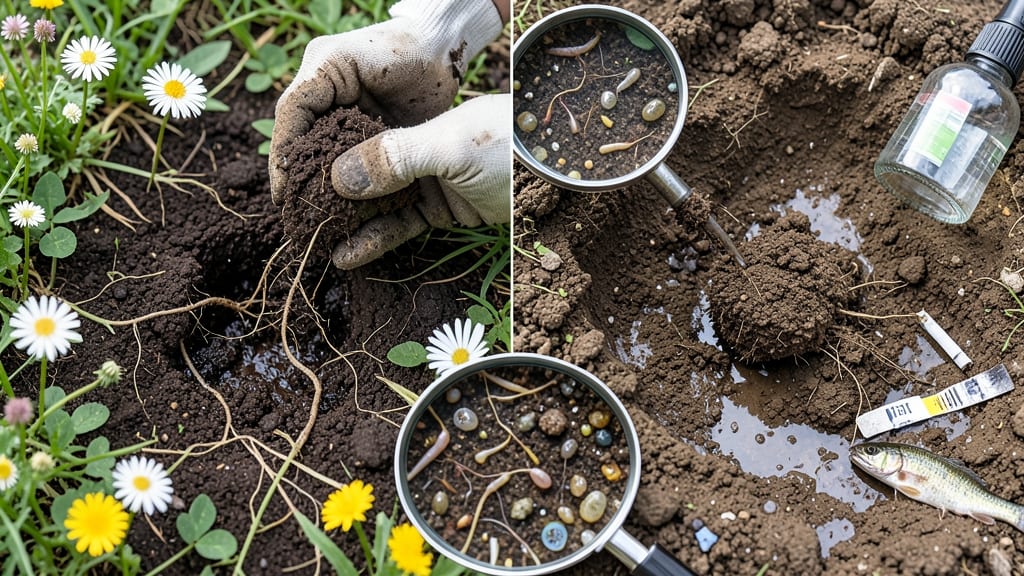
The effects of chemical weed control on soil and environment include severe harm to microbial balance, reduced organic matter, and nutrient loss, alongside groundwater contamination, biodiversity decline, and long-term ecosystem damage.
Chemical weed control doesn't just kill weeds—it disrupts the delicate ecosystem beneath your feet. 🌱 Herbicides like glyphosate can linger in soil for years, wiping out beneficial bacteria and fungi that break down organic matter. This leaves soil compacted, with poor water retention and fewer nutrients for plants.
Beyond the soil, these chemicals often seep into groundwater, harming aquatic life and even entering our drinking water. The long-term effects? Reduced biodiversity and ecosystems that struggle to recover naturally.
What makes this especially concerning is how these chemicals create a cycle of dependency. 🌍 Over time, soil fertility declines, forcing gardeners to rely even more on synthetic solutions. The good news? Organic alternatives like mulch, vinegar sprays, and manual removal can restore microbial balance without the harmful side effects.
It's all about breaking the cycle early—before your soil and the environment pay the price.
💡 In This Article
- How Herbicides Alter Soil Microbes and Fertility
- Environmental Risks of Chemical Weed Killers: What Gardeners Should Avoid
How herbicides alter soil microbes and fertility
Herbicides like glyphosate don't just target weeds—they indiscriminately kill beneficial soil microbes, including bacteria, fungi, and actinomycetes that decompose organic matter. These microbes break down complex compounds into nutrients plants can absorb, like nitrogen and phosphorus.
When they're wiped out, organic matter accumulates instead of breaking down, leading to a buildup of undecomposed plant material that suffocates soil life. 🔥 Studies show glyphosate can reduce microbial populations by up to 70% within weeks of application, creating a sterile environment where only resistant species survive.
The real damage happens underground where herbicides disrupt mycorrhizal fungi—symbiotic networks that connect plant roots and transfer nutrients. Without these fungi, plants struggle to access phosphorus, a critical nutrient for energy transfer in photosynthesis.
Earthworms, which aerate soil and create channels for water and roots, also die off, leaving soil compacted and waterlogged. This is why chemically treated soils often develop a crusty surface that repels rainwater, increasing runoff and erosion. 🌱
Nitrogen cycles are particularly vulnerable. Herbicides kill nitrogen-fixing bacteria like Rhizobium and Azotobacter, which convert atmospheric nitrogen into plant-usable forms. Without them, soil nitrogen levels drop by 30-50%, forcing plants to compete aggressively for what's left.
The result? Stunted growth, yellowing leaves, and crops that require more synthetic fertilizers—creating a vicious cycle of chemical dependency. 💫
What's worse is how these changes persist. Soil organic matter, which normally takes decades to build, can degrade in just 2-3 years of herbicide use. The loss of microbial diversity reduces soil's ability to buffer against pH swings and toxic metals, making it more susceptible to future chemical damage.
Even "low-toxicity" herbicides like 2,4-D can alter microbial communities by shifting the balance toward disease-promoting pathogens over beneficial species.
Consider this: A single application of glyphosate can remain active in soil for 6 months to 2 years, depending on conditions. During that time, it continues breaking down soil aggregates—the crumbly structures that hold water and nutrients.
Without these aggregates, soil becomes dusty and prone to blowing away, while nutrients like potassium and magnesium leach out with irrigation water. The end result? A barren, lifeless substrate that resembles more of a desert than fertile growing medium. 💔
For gardeners, this means plants struggle to establish roots, suffer from nutrient deficiencies, and become more susceptible to pests and diseases. The soil's ability to support diverse plant life diminishes, turning vibrant ecosystems into monocultures that require ever-increasing inputs to maintain.
The long-term cost? Not just in dollars spent on chemicals, but in the loss of biodiversity that makes healthy soil function in the first place.