
How To
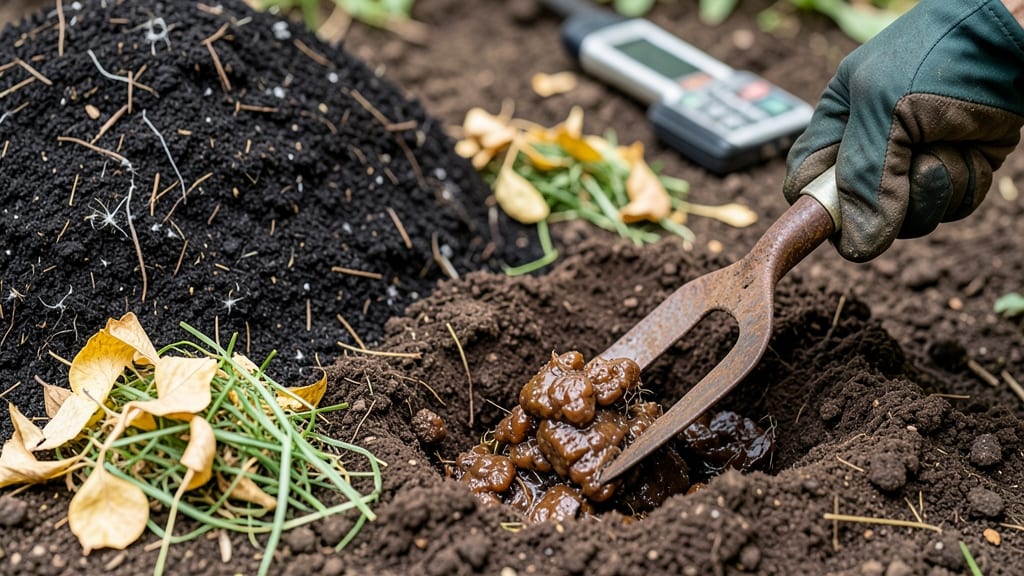
Mixing soil with manure boosts plant health by enriching nutrients and improving soil structure, but the right proportions and timing prevent root damage. For most plants, blend 1 part aged manure with 3-5 parts soil and incorporate it 2-4 weeks before planting.
Manure acts as a natural fertilizer, but its potency varies depending on whether it's fresh or composted. 🌱 Fresh manure contains high levels of nitrogen that can burn plant roots if applied directly, while aged or composted manure releases nutrients more gradually.
I recommend testing your soil first—this helps determine if you need additional nutrients or if the manure alone will suffice. For heavy feeders like tomatoes or squash, you might lean toward the higher end of the ratio (1:3), while delicate flowers often do better with a gentler mix (1:5).
The timing of application matters just as much as the ratio. Spring is ideal for most plants since it gives roots time to establish before the growing season peaks.
However, for fall planting, like garlic or cover crops, you can apply manure-rich soil up to 6 weeks before the first frost to let the nutrients settle. Always work the mixture into the top 6-8 inches of soil for best results.
💡 In This Article
- Optimal Soil and Manure Ratios for Different Plants
- Step-by-Step Guide to Mixing Soil and Manure
Optimal soil and manure ratios for different plants
Aged manure releases nutrients gradually, making it ideal for most garden plants. The 1:3 to 1:5 ratio (manure to soil) balances nitrogen, phosphorus, and potassium—essential for root development and flowering.
For example, leafy greens like spinach or kale thrive with a 1:5 ratio because they need steady nitrogen without excess that could cause leaf burn. In contrast, heavy feeders like tomatoes or peppers benefit from a 1:3 ratio to support their rapid growth and fruiting stages.
The key difference between composted and fresh manure lies in nitrogen availability. Fresh manure can have up to 5% nitrogen by weight, but much of it's in an ammonia form that volatilizes quickly, potentially burning roots.
Composted manure, with 1-2% nitrogen, releases nutrients more slowly, making it safer for plants. 🌱 For acid-loving plants like blueberries, mix in 1 part composted manure to 4 parts peat moss or pine bark to maintain proper soil pH (4.5-5.5).
Trees and shrubs often need deeper incorporation—dig manure into the top 8-12 inches of soil during planting.
Vegetable gardens require careful monitoring of nitrogen levels. Too much can lead to lush foliage but poor fruiting—a classic case of "greedy growth." I've seen tomato plants with vibrant leaves but tiny fruits when over-fertilized. The solution?
Test your soil first using a home garden kit (costs ~$15) to check nitrogen (N), phosphorus (P), and potassium (K) levels. If phosphorus is low (30 ppm), add bone meal alongside the manure.
For flowering plants like roses, a 1:4 ratio with extra phosphorus (like 5-10-10 fertilizer) encourages bloom production.
Timing matters just as much as ratios. Spring application gives roots 4-6 weeks to acclimate before peak growth, while fall application (up to 6 weeks before frost) lets winter rains distribute nutrients deeper.
For container plants, use a 1:5 ratio mixed with potting soil—containers drain quickly, so excess nutrients wash away. Always water thoroughly after mixing to help beneficial microbes activate and prevent nutrient loss.
Special cases include legumes (beans, peas) which fix their own nitrogen. For these, reduce the manure ratio to 1:6 or 1:7 to avoid over-supplementing. Perennials like asparagus benefit from manure-rich soil only during their first 2-3 years—after establishment, they need less. 🌿 The golden rule?
Observe your plants: yellowing leaves may signal excess nitrogen, while stunted growth often means phosphorus or potassium deficiency.
For organic gardeners, consider adding 1 cup of wood ash per 100 sq ft to the mix—it provides potassium and raises pH slightly. However, avoid ash for acid-loving plants. The ideal soil-manure blend should resemble crumbly, dark loam with earthy aroma and good moisture retention.
If it smells strongly of ammonia, the manure wasn't aged enough—wait another 3-6 months before using.