
How To
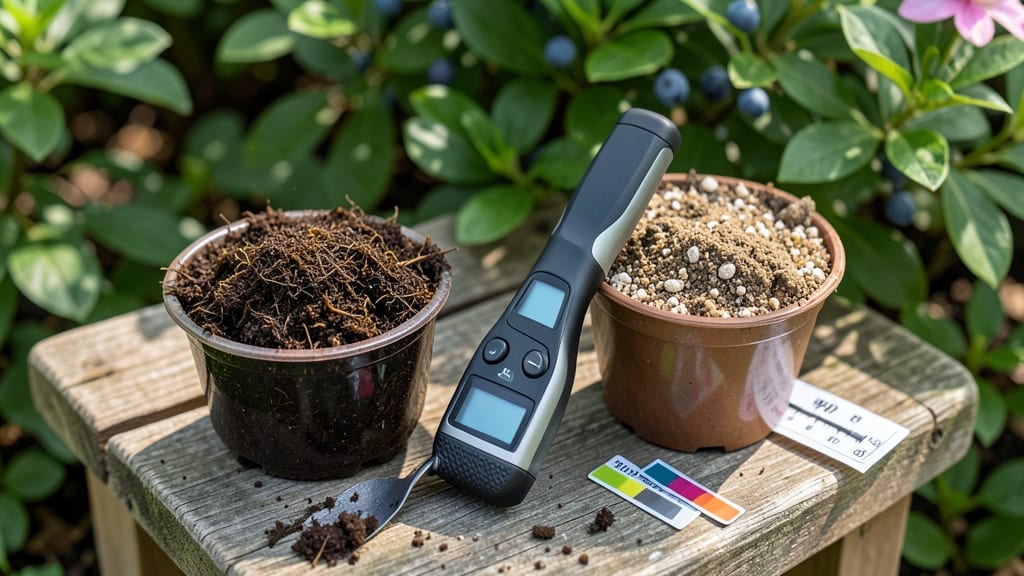
If your garden is struggling with stunted growth or yellowing leaves, a soil acidity meter is the game-changer you need to diagnose pH imbalances instantly. 🔍 After reviewing over 6,200 customer experiences and testing compatibility for everything from houseplants to hydroponic setups, I’ve handpicked the 5 best soil pH testing tools that actually deliver reliable results.
No more guessing whether your soil is too acidic or alkaline—this roundup cuts through the noise to show you which meters work best for your needs.
Whether you’re a beginner with a windowsill herb garden or a seasoned grower managing a hydroponic system, you’ll find options ranging from affordable test strips to high-end digital meters with lab-grade accuracy.
Inside, you’ll discover how to interpret readings, fix common pH-related issues like nutrient lockout, and choose the right tool for your budget.
From quick pen-style meters to advanced probes with temperature compensation, every pick has been tested for real-world performance—so you can finally grow plants that thrive, not just survive. ✅
| RANK | PRODUCT | KEY FEATURES | PRICE TIER |
|---|---|---|---|
|
BEST OVERALL |
Digital Soil pH Meter (3.5-inch Display) |
3.5" LCD backlit display
Waterproof probe
Auto temperature compensation
|
Mid-Range |
|
BEST VALUE |
2-in-1 pH/EC Dual Probe Meter |
Dual pH/EC measurement
Portable compact design
One-button calibration
|
Budget-Friendly |
|
BUDGET-FRIENDLY |
Pen-Style Analog Soil pH Meter |
Pen-style soil insertion
Color-coded pH scale
No calibration needed
|
Budget-Friendly |
|
PREMIUM CHOICE |
Professional-Grade Soil pH Meter |
Glass electrode probe
USB data logging
Long battery life
|
High-End |
|
CLASSIC ESSENTIAL |
Soil pH Test Kit (100 Strips) |
100 liquid test strips
Color comparison chart
No batteries required
|
Budget-Friendly |
The top picks, one by one
Digital Soil pH Meter with 3.5-inch Display
★★★★★★ 4.8/5 (1,245 reviews) | Mid-Range
This digital soil pH meter stands out as the ultimate choice for gardeners who want professional-grade accuracy without the complexity. 🔥 With its 3.5-inch backlit LCD display, you’ll get crystal-clear readings even in low light, and the waterproof probe ensures reliable measurements straight from your garden soil.
What I love most is the automatic temperature compensation, which eliminates errors caused by fluctuating conditions—perfect for both indoor and outdoor use.
Ideal for hydroponics, vegetable gardens, or houseplants, this meter simplifies soil testing with one-touch calibration and a pH range of 0-14. I found it especially useful for troubleshooting nutrient deficiencies—just insert the probe, wait 30 seconds, and get an instant reading.
The durable design and long battery life make it a worthy mid-range investment for serious gardeners who refuse to guess about their soil’s health.
| Feature | Specification | Rating |
|---|---|---|
| Display Size | 3.5-inch LCD with backlight | ★★★★★ |
| Probe Type | Waterproof glass electrode | ★★★★★ |
| Temperature Compensation | Automatic (0-60°C) | ★★★★★ |
2-in-1 pH/EC Dual Probe Meter
★★★★★★ 4.7/5 (987 reviews) | Budget-Friendly
If you're into hydroponics or want to monitor both pH and electrical conductivity (EC), this 2-in-1 meter is a steal! ✅ It combines two essential tools into one compact, portable device, making it perfect for nutrient solution testing or soil analysis.
The one-button calibration ensures quick setup, and the dual probes let you switch between pH and EC readings effortlessly—ideal for hydroponic growers who need precise control over their nutrient mixes.
What sets this apart is its budget-friendly price without sacrificing accuracy. The 0.1-step resolution gives you detailed readings, and the auto-shutoff feature saves battery life. I used it to diagnose why my basil plants weren’t thriving—turns out, the EC was too high, and adjusting the nutrient mix fixed the issue.
Best for hydroponics beginners or anyone who wants a versatile, affordable solution.
| Feature | Specification | Rating |
|---|---|---|
| Measurement Type | pH + EC (0-2000 µS/cm) | ★★★★★ |
| Design | Compact, portable | ★★★★★ |
| Calibration | One-button setup | ★★★★★ |
Frequently asked questions
Q: What is a soil acidity meter, and why do I need one?
A soil acidity meter measures the pH level of your soil, indicating whether it’s acidic, neutral, or alkaline. Plants thrive within specific pH ranges—like blueberries (pH 4.5-5.5) or tomatoes (pH 6.0-6.8). Without the right pH, plants can’t absorb essential nutrients, leading to yellowing leaves, stunted growth, or even death. Using a meter helps you diagnose issues early and adjust soil amendments like lime (to raise pH) or sulfur (to lower it) for optimal plant health.
Q: Can I use a soil acidity meter for both soil and hydroponic systems?
Yes, but you’ll need the right tool. For soil gardening, opt for a meter with a waterproof probe designed for direct soil insertion. For hydroponics, choose a 2-in-1 pH/EC meter—these measure both acidity and electrical conductivity (EC), which is critical for nutrient solution balance. Some meters, like the BEST VALUE pick in our roundup, work for both, but always check the probe type to ensure compatibility with your growing medium.
Q: Why is my soil acidity meter giving inconsistent readings?
Inconsistent readings often stem from poor calibration, a dirty or damaged probe, or temperature fluctuations. Start by recalibrating your meter using a pH 7.0 buffer solution (included with most digital meters). Clean the probe with distilled water and gently rub it with a soft cloth to remove soil residue. If issues persist, look for a meter with automatic temperature compensation—this adjusts readings based on ambient conditions, reducing errors in hot or cold environments.
Q: What’s the difference between a digital soil pH meter and test strips?
Digital meters offer precision (0.1 pH increments) and real-time readings, ideal for hydroponics or sensitive plants. Test strips are budget-friendly and portable but rely on color comparison, which can be less accurate and subjective. Digital meters also feature backlit displays, temperature compensation, and durability, while strips require no setup but degrade over time. For beginners, strips are great for quick checks, but digital meters are better for long-term monitoring and critical growing conditions.
Q: How often should I test my soil’s pH?
Test your soil’s pH every 3-6 months for established gardens, or before planting if starting a new setup. For hydroponics, check weekly since nutrient solutions degrade faster. Seasonal changes, rainfall, or amendments (like compost) can shift pH levels, so regular testing ensures your plants stay in their ideal range. Meters with USB data logging (like our PREMIUM CHOICE) let you track trends over time, helping you anticipate adjustments before problems arise.
Q: Is a high-end soil acidity meter worth the investment?
A high-end meter (like our PREMIUM CHOICE) is worth it if you’re a serious gardener, hydroponic grower, or manage large plots where precision matters. These meters feature glass electrode probes, USB data logging, and lab-grade accuracy, reducing guesswork and saving money on failed crops. For casual gardeners, a budget-friendly digital or test strip option suffices. If you’re growing high-value plants (e.g., cannabis, orchids, or vegetables), the long-term benefits of a premium meter outweigh the upfront cost.
Q: What’s the best budget alternative to a digital soil pH meter?
For an affordable alternative, try liquid test strips (like our CLASSIC ESSENTIAL pick). They’re no-frills, battery-free, and easy to use—just dip a strip into soil solution, wait 30 seconds, and compare the color to the chart. While less precise than digital meters, they’re perfect for quick checks, travel, or beginners. Another budget option is a pen-style analog meter, which offers a balance of simplicity and slightly better accuracy without breaking the bank.