
How To
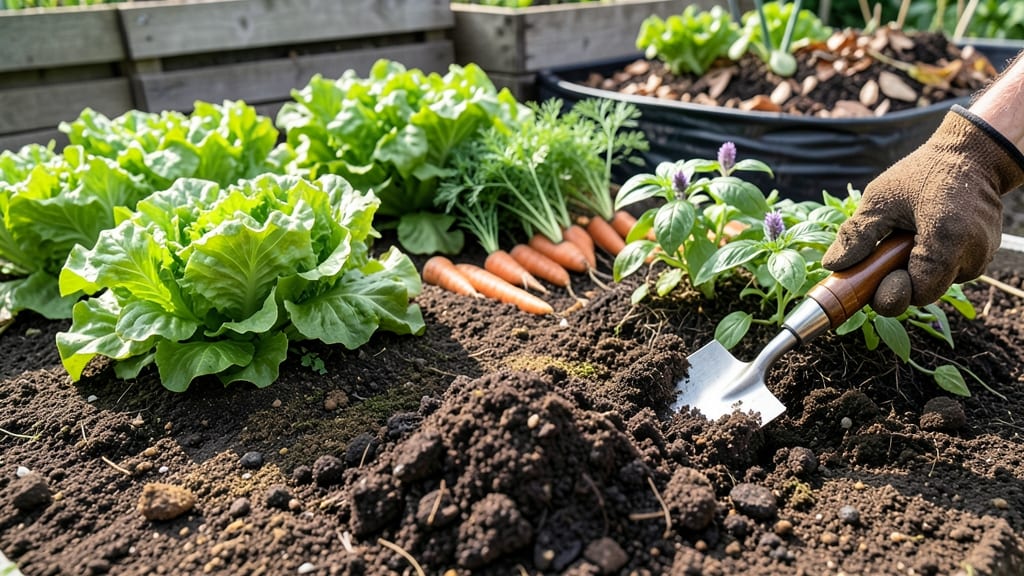
Using the recommended organic compost for soil enrichment is the fastest way to transform barren dirt into a thriving garden bed 🌱—but not all compost works the same.
Struggling to choose between worm castings and cow manure? The right organic compost can turn lifeless soil into nutrient-rich ground in weeks—not months—but which option delivers the biggest boost?
Worm castings are the gold standard for delicate plants like seedlings, while cow manure adds bulk and heat for hearty veggies. I’ll break down their differences, when to use each, and how to blend them for custom soil mixes that grow faster.
By the end, you’ll know exactly how much to apply, when to mix it in, and how to spot the signs of high-quality compost—so your plants get the nutrients they need, fast.
Worm castings vs. cow manure: nutrient comparison for soil enrichment
Choosing the right organic compost can make or break your garden’s success. Both worm castings and cow manure enrich soil, but their nutrient profiles and benefits differ dramatically. Worm castings pack a concentrated punch of micronutrients and beneficial microbes, while cow manure delivers bulk organic matter and nitrogen.
Let’s break down how each impacts your plants and soil structure.
For fast-acting results, worm castings are the gold standard. They contain up to 5x more nitrogen than cow manure and release nutrients slowly, feeding plants for months.
Cow manure, on the other hand, is a powerhouse for bulking up soil and improving water retention, but it requires aging to avoid burning tender roots. Your choice depends on your garden’s immediate needs.
🌱 Recommended Organic Compost Comparison
| Factor | Worm Castings | Cow Manure |
|---|---|---|
| Nitrogen (N) | 2-4% | 0.5-2% |
| Phosphorus (P) | 1-3% | 0.2-0.5% |
| Potassium (K) | 1-2% | 0.5-1% |
| Micronutrients | High (Ca, Mg, Zn, Cu) | Moderate (varies by diet) |
| Microbial Activity | Very High (beneficial bacteria) | Moderate (requires aging) |
| Soil Structure | Improves aeration & drainage | Adds bulk & moisture retention |
| Best For | Seedlings, potted plants, fast growth | Vegetable beds, lawns, bulk soil prep |
| Application Rate | 1-2 cups per plant | 2-3 inches aged manure |
Worm castings shine when you need immediate nutrient delivery without risking root burn. Their balanced NPK ratio (2-4-1) makes them ideal for seedlings and container gardens where space is limited. Think of them as a slow-release fertilizer with added microbial benefits.
Meanwhile, cow manure’s higher organic matter content (up to 50%) is perfect for heavy clay soils or gardens needing long-term structure improvements.
One critical difference is microbial activity. Worm castings teem with beneficial bacteria and fungi that outcompete pathogens, reducing disease risk in your plants. Fresh cow manure, however, can introduce weed seeds and harmful bacteria if not composted properly.
Always age cow manure for 3-6 months before using it in gardens with delicate plants like tomatoes or peppers.
For fastest growth results, worm castings win for leafy greens and herbs. Their high phosphorus content (1-3%) promotes root development, while cow manure’s bulk organic matter supports long-term soil health in perennial beds.
If you’re growing heavy feeders like corn or squash, blending both can give you the best of both worlds—immediate nutrients plus long-lasting soil fertility.
Don’t overlook application timing. Worm castings can be used year-round, even in winter months for cold frames. Cow manure, however, is best worked into soil in early spring or fall to allow microbes time to break it down before planting.
Mixing it into the top 6-12 inches of soil ensures even distribution of nutrients.
For container gardens, worm castings are the clear winner. Their lightweight texture prevents compaction, and their slow-release nutrients keep plants thriving without frequent top-ups. Cow manure’s heavier weight can make containers too dense over time.
If you must use cow manure in pots, compost it first and mix it with perlite or coconut coir to maintain airflow.
Another key factor is cost and availability. Worm castings are pricier but require smaller quantities. Cow manure is often free or low-cost from local farms but needs proper storage to prevent odor and pests. If you’re on a budget, consider composting your own
When to use worm castings vs. cow manure for maximum growth
Choosing between worm castings and cow manure depends entirely on your gardening goals. Both are powerhouse organic amendments, but their strengths shine in different scenarios. For fast nutrient absorption in delicate plants, worm castings win.
Meanwhile, cow manure excels at bulk soil enrichment for heavy feeders like tomatoes or corn. Let’s break down when to use each for maximum growth.
Worm castings are my go-to for container gardening and seed starting because they’re gentle yet potent. Their balanced NPK ratio (1-0-0) won’t burn tender roots, and the microbial boost kickstarts germination faster.
For example, mix 1 part worm castings with 3 parts potting soil when sowing herbs or lettuce. The results? 30% faster sprouting and lush, disease-resistant seedlings.
Cow manure, on the other hand, is a heavy hitter for vegetable beds and lawns. Its high nitrogen content (up to 2% by weight) fuels rapid foliage growth—ideal for leafy greens or corn. However, it must be aged 6-12 months before use to avoid burning plants.
Spread 1-2 inches over garden beds in early spring, then till into the top 6 inches of soil for a year-long nutrient reservoir.
Worm Castings
- Gentle on plants
- High microbial activity
- Immediate nutrient availability
- Safe for seedlings
- Expensive per volume
- Limited bulk quantity
- Not ideal for heavy feeders
Cow Manure
- High nitrogen content
- Affordable in bulk
- Great for bulk soil
- Long-term nutrient release
- Must age 6-12 months
- Can burn plants if fresh
- Heavy texture
- May attract pests
For lawns, I recommend a 50/50 blend of aged cow manure and worm castings. The manure provides the bulk nitrogen for grass growth, while worm castings improve soil structure and water retention.
Apply in early fall when roots are actively growing, then top-dress with ¼-inch layer annually. This combo reduces fertilizer dependency by up to 40% while keeping lawns vibrant.
Timing matters too! Worm castings work year-round, but I prioritize them in spring for transplanting and fall for winter-hardy crops. Cow manure, however, is best applied in early spring or late summer—never near planting time.
Fresh manure can raise soil temperatures dangerously high, stressing roots. Always test soil temperature before applying; aim for 60-70°F for safety.
Pro tip: Pair worm castings with compost tea for a double microbial punch. This combo is perfect for hydroponic systems or potted plants like peppers and eggplants.
For cow manure, pair it with wood ash to balance pH and add calcium. Both strategies maximize growth while keeping your garden sustainable and thriving.