
Neem Oil
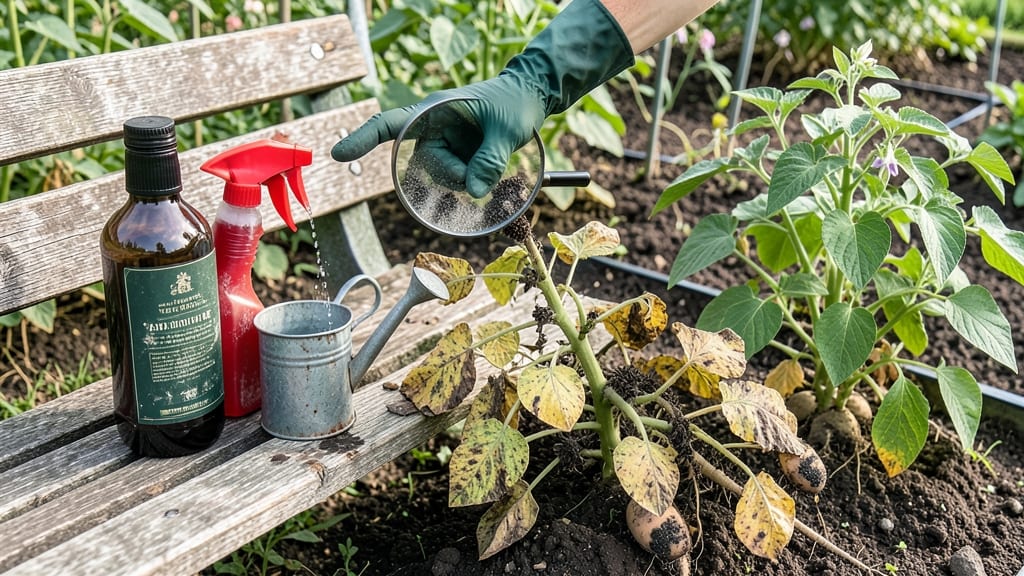
A targeted fungicide for soil fungus is silently sabotaging your seedlings before they even sprout. 🌱 I’ve lost count of the flats of seedlings I’ve watched wilt overnight from damping-off, and the key to stopping it isn’t just treating symptoms—it’s fixing the soil conditions that let fungus take hold in the first place. The good news? You can turn the tide in under 30 minutes with the right approach.
Most gardeners assume soil fungus means chemical fungicides, but the real game-changer is often organic prevention. Overwatering, poor drainage, and old compost are the usual culprits—all fixable with simple adjustments.
I’ve found that a mix of neem oil, baking soda, and well-draining soil can outperform harsh chemicals while keeping your garden ecosystem healthy.
By the time you’re done, your seedlings will have a fighting chance—no more blackened stems or stunted growth. The secret is proactive soil care: sterilizing containers, improving aeration, and using fungicides preventatively rather than as a last resort.
Your future plants will thank you with strong roots and lush foliage.
This works for containers, raised beds, and even in-ground gardens—just adjust the ratios based on your setup. Let’s get your soil back in balance before the next round of seedlings goes in.
Root Causes Of Soil Fungus
Soil fungus isn’t just a random annoyance—it thrives due to specific conditions that create the perfect breeding ground. Understanding these triggers helps you take targeted action to prevent outbreaks before they spread. Here’s why fungal invaders take hold in your soil:
Fungi love moisture, and compacted or waterlogged soil traps excess humidity against plant roots. When soil lacks proper aeration—often from heavy foot traffic, machinery, or clay-heavy compositions—oxygen levels drop. This creates an anaerobic environment where pathogenic fungi like Phytophthora and Pythium flourish.
- Why it matters: Roots suffocate, weakening plants and making them vulnerable to fungal infections.
- Actionable fix: Amend soil with compost or perlite to improve drainage. Avoid overwatering and test soil pH—fungi thrive in acidic conditions (pH 5.5–6.5).
While mulch and leaf litter return nutrients to the soil, too much undecomposed organic matter becomes a fungal buffet. Fungi break down dead plant material, but when decomposition stalls (due to cold, wet conditions), spores multiply uncontrollably. Common culprits include:
- Rhizoctonia solani (targets seedlings)
- Armillaria mellea (root rot)
Pro tip: 💡 Shred mulch finely to speed decomposition, and remove diseased plant debris immediately. Space mulch layers thinly (2–3 inches) to prevent moisture buildup.
Fungi are opportunistic—they exploit environmental stress. Warm, humid conditions (60–80°F) with consistent moisture (like morning dew or overhead irrigation) trigger spore germination. Sudden temperature drops (e.g., spring frost followed by heat) further weaken plants, making them prime targets.
| Fungus Type | Ideal Conditions | Prevention |
|---|---|---|
| Fusarium (wilt disease) | 77–86°F, high humidity | Use drip irrigation (avoids leaf wetness) |
| Botrytis (gray mold) | 50–77°F, damp foliage | Space plants for airflow; water at soil level |
Key insight: Fungi spread faster in closed ecosystems (e.g., greenhouses or dense plantings). Improve airflow with pruning and spaced rows.
Stressed plants are fungal magnets. Nutrient deficiencies (especially nitrogen, phosphorus, or potassium), over-fertilization, or transplant shock disrupt a plant’s natural defenses. Fungi like Verticillium exploit these gaps, clogging xylem vessels and cutting off water flow.
- Signs of stress:
- Yellowing leaves (chlorosis)
- Stunted growth
- Wilting despite moist soil
- Solution: Balanced fertilization (e.g., 10-10-10 NPK) and beneficial microbes (like Trichoderma) to boost soil health.
Pro tip: ✨ Neem oil (a natural fungicide) not only kills spores but also stimulates plant resistance when applied as a foliar spray.
By addressing these root causes—drainage, debris, climate, and plant health—you disrupt the fungal lifecycle before it gains a foothold. The next step? Proactive solutions to keep your soil (and plants) thriving.
Quick Fixes for Fungus-Ridden Soil
Fungal infections in soil can feel like an uphill battle, but with the right approach, you can reclaim healthy, thriving earth—fast. Below, we break down practical, science-backed solutions tailored to the most common causes of soil fungus, from overwatering to poor drainage.
Each fix includes prevention tips to keep your soil fungus-free long-term.
Problem: Excess moisture creates the perfect breeding ground for fungi like Phytophthora and Pythium, which thrive in soggy conditions.
Solution:
- Adjust Your Watering Schedule 💧
- Water deeply 2–3 times per week (depending on climate) instead of daily shallow sessions.
- Aim for 1–1.5 inches of water per week—let the top 1–2 inches of soil dry out between waterings.
- Pro Tip: Use a moisture meter to avoid guesswork. If it reads "damp," hold off on watering.
- Improve Soil Drainage 🏗️
- Mix in organic matter like compost or coconut coir to loosen heavy clay soil.
- Add perlite or sand (5–10%) to sandy soils to prevent compaction.
- Elevate garden beds or containers with gravel or raised beds to encourage runoff.
- Use Fungicidal Sprays 🛡️
- Neem oil (1–2 tbsp per gallon of water) or baking soda spray (1 tbsp baking soda + 1 tsp soap per gallon) can prevent spore germination.
- Apply every 7–10 days during wet seasons.
Prevention:
- Install French drains or swales in low-lying garden areas.
- Choose drought-tolerant plants that handle moisture stress better.
Problem: Dense, nutrient-poor soil lacks beneficial microbes and fungi, making plants vulnerable to pathogens.
Solution:
- Aerate the Soil 🌱
- Use a garden fork or aerator to poke holes 6–12 inches deep, breaking up compacted layers.
- Quick Fix: Top-dress with leaf mold or well-aged compost (2–3 inches) to improve structure.
- Boost Beneficial Microbes 🦠
- Apply mycorrhizal fungi (available as powders or granules) to enhance root health.
- Use compost tea (steep compost in water for 24–48 hours, strain, and spray) to introduce beneficial bacteria.
- Balance pH Levels 📊
- Test soil pH (ideal range: 6.0–7.0 for most plants).
- Adjust with lime (to raise pH) or sulfur (to lower pH) as needed.
Prevention:
- Rotate crops annually to prevent nutrient depletion.
- Mulch with straw or wood chips to retain moisture and organic matter.
Problem: Fungi like Fusarium or Rhizoctonia can jump from plants to soil, worsening infections.
Solution:
- Remove & Dispose of Infected Plants 🗑️
- Pull affected plants root and all and compost them separately (or bag them for trash).
- Caution: Do not compost heavily infected plants—they can reinfect soil.
- Solarize the Soil ☀️
- Cover infected soil with clear plastic for 4–6 weeks in hot sun to kill fungal spores.
- Works best in temperatures above 95°F (35°C).
- Apply Fungicidal Soil Drenches 💦
- Mix 1 part hydrogen peroxide (3%) to 10 parts water and pour onto soil.
- Repeat weekly until symptoms disappear.
Prevention:
- Quarantine new plants for 2–4 weeks before adding them to your garden.
- Practice crop rotation to starve soil-borne fungi.
Problem: Fungal issues often stem from imbalanced ecosystems in the soil.
Solution:
- Diversify Your Plantings 🌿
- Interplant fungus-resistant crops (e.g., marigolds, garlic, or basil) to disrupt fungal life cycles.
- Avoid monocultures (planting the same species repeatedly).
- Encourage Natural Predators 🐞
- Attract beneficial nematodes, ladybugs, and predatory mites to control fungal pests.
- Plant clover or alfalfa as cover crops to support soil biodiversity.
- Use Preventative Fungicides 🛡️
- Copper-based fungicides (e.g., Bordeaux mixture) can prevent fungal spores from germinating.
- Potassium bicarbonate (1–2 tbsp per gallon) is a gentle, organic option.
Prevention:
- Test soil annually for fungal pathogens and adjust treatments accordingly.
- Keep garden tools sterilized with rubbing alcohol to avoid spreading spores.
Final Thought: 💡 Fungal soil issues don’t have to be a permanent problem—consistent care and smart prevention are your best tools. Start with one or two fixes from above, monitor progress, and adjust as needed.
Healthy soil is a team effort, and with these steps, you’ll be well on your way to a fungus-free, thriving garden!
Frequently asked questions
What’s the fastest way to treat soil fungus without chemicals?
Neem oil is your best organic option—mix 1–2 tablespoons with 1 gallon of water and apply as a soil drench or foliar spray. For immediate results, combine with baking soda (1 tbsp per gallon) to boost antifungal effects. Reapply every 7–10 days during wet conditions.
Can I reuse soil that had fungus last season?
Only if you sterilize it first! Solarize the soil by covering it with clear plastic for 4–6 weeks in hot sun (above 95°F) or bake it in the oven at 200°F for 30 minutes. For potted plants, replace the top 2–3 inches of soil with fresh, fungus-free mix. Never reuse heavily infected soil without treatment.
How do I know if my soil fungus is severe enough for chemical fungicides?
Use chemicals only if you see widespread wilting, blackened stems (damping-off), or mushy roots. Start with copper-based fungicides (like Bordeaux mixture) for organic options or propiconazole for synthetic solutions. Always follow label instructions—overuse can harm beneficial microbes.
Will improving drainage really prevent soil fungus?
Fungi like Pythium and Phytophthora thrive in soggy conditions. Add perlite or sand (5–10%) to heavy clay soil, or raise beds with gravel. Water deeply 2–3 times per week (1–1.5 inches total) instead of daily light sprinkles. A moisture meter helps avoid overwatering.
Are there any plants that naturally repel soil fungus?
Yes! Interplant marigolds, garlic, or basil near susceptible plants—they release compounds that inhibit fungal growth. Chives and onions also work well. For containers, add a handful of composted worm castings to boost soil immunity. Rotate crops annually to starve fungal pathogens.