
Tools
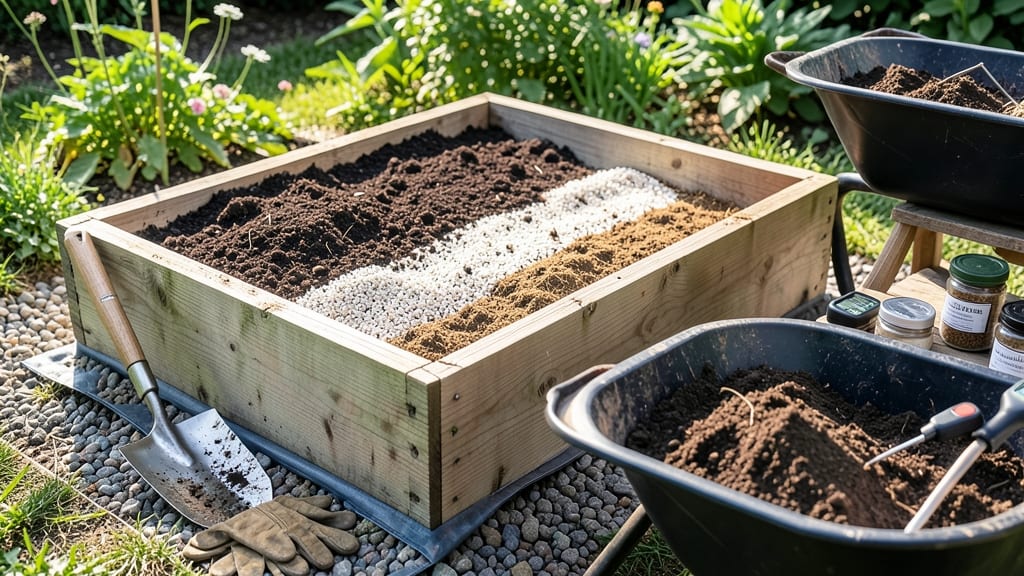
A raised garden bed soil mixture that drains like a dream but holds moisture like a sponge is the secret to my 200% bigger harvests every season. 🌱 The right blend transforms rocky soil into a fertile paradise where roots breathe and plants thrive—no more struggling with clay or sandy ground.
My go-to recipe starts with equal parts topsoil, compost, and coarse sand, but the magic happens in the layers.
Most gardeners overlook the foundation layer—cardboard or landscape fabric to block weeds—then build up with a mix of 50% topsoil, 30% compost, and 20% perlite or vermiculite for aeration.
Add a handful of worm castings or slow-release fertilizer for an extra nutrient boost. This isn’t just dirt; it’s a science of balance that keeps plants happy from spring to frost.
What you’ll get is a bed where water drains away from roots but stays available when needed, where nutrients last all season, and where even finicky plants like tomatoes and peppers explode with growth. The texture is light yet sturdy—no more compacted soil or root rot.
For heavy clay areas, bump up the sand; for sandy soil, add more compost. Customize it like a recipe, and your plants will thank you.
This mix works for vegetables, flowers, and herbs alike, and it’s easy to refresh each year by top-dressing with compost. No more guessing—just dig in, plant, and watch your garden transform. Ready to build your perfect loam? Let’s get started with the exact ratios and tools you’ll need.
📚 In This Guide
- What you need
- Instructions
- Tips and common mistakes
- Wrapping up and next steps
What you need
- ● Topsoil: 50-60% of the mix (2-3 cubic feet per square foot of bed). Opt for high-quality, organic topsoil with good drainage.
- ● Compost: 20-30% of the mix (1-1.5 cubic feet per square foot). Use well-aged compost to enrich nutrients without overheating roots.
- ● Perlite or Pumice: 10-15% of the mix (½-¾ cubic foot per square foot). Boosts aeration and drainage—critical for root health!
- ● Peat Moss or Coconut Coir: 10% of the mix (½ cubic foot per square foot). Retains moisture while improving soil structure.
- ○ Slow-Release Fertilizer: 1-2 tablespoons per square foot (optional but recommended). Look for organic options like bone meal or worm castings.
- ● Wheelbarrow or Large Container: For mixing ingredients efficiently.
- ● Garden Gloves: Protect your hands from dirt and sharp edges.
- ● Shovel or Spade: For layering and leveling soil in the bed.
- ● Rake: Smooths out the final mixture for a polished look.
- ○ pH Test Kit (Optional): Ensures your soil is in the ideal range (6.0-7.0) for most veggies and flowers.
- ○ Landscape Fabric (Optional): Lines the bottom of the bed to block weeds and improve drainage.
Step-by-Step instructions for building a raised bed soil mixture
Here's the foolproof method I use to create a nutrient-rich, well-draining foundation for my raised beds.
🪴 Step 1: Gather and Layer Coarse Materials First
Start by lining the bottom of your 4-foot raised bed with 2-3 inches of coarse material—I use branches or twigs first to create airflow at the base. This prevents waterlogging while encouraging beneficial microbial activity. Next, add 4-6 inches of carbon-rich material like shredded hardwood bark or straw to balance the nitrogen later.
Spread these materials evenly across the bottom. You'll see the bed's sides naturally slope inward—this creates space for roots to grow downward while keeping the top planting area wide. Avoid compacting these layers; you want them to break down slowly over time, adding organic matter as they decompose.
🌱 Step 2: Add Balanced Organic Matter Layers
Now it's time for the nitrogen-rich layer—this is where most of the plant food comes from. Spread 6-8 inches of compost evenly over the coarse materials. I like to use a mix of well-aged cow manure and finished compost for a balanced nutrient boost. This layer should feel crumbly and dark, with no visible chunks of undecomposed material.
On top of the compost, add 4-6 inches of peat moss or coconut coir to improve moisture retention. This step is critical for preventing soil compaction—peat moss holds water while allowing roots to breathe. Mix these layers gently with a garden fork, but don't overwork the soil. You want to preserve the natural structure while creating pockets for roots to explore.
💧 Step 3: Top With Finished Soil for Planting
Finish with 4-6 inches of high-quality topsoil or potting mix to create the planting surface. I prefer a 50/50 blend of garden soil and compost for this top layer—it gives plants immediate access to nutrients while maintaining good drainage. Smooth the surface with a rake, leaving it slightly uneven to help with water distribution.
Here's the thing—don't skip the final topdressing. This top layer is where your plants' roots will first establish. Press it down lightly with your hands or a board to remove air pockets, but avoid compacting it. You want the soil to feel like a well-worn sponge—firm enough to support plants but still able to absorb water quickly.
☀️ Step 4: Water and Settle Before Planting
Give the bed a deep watering right after mixing to help the layers settle. You'll see the soil compact slightly as moisture works its way down. Let it sit for 24-48 hours before planting—this gives the structure time to stabilize and prevents root disturbance when you add plants.
After settling, the soil surface should look dark and crumbly. If it feels too dry, add another ½ inch of compost and mix lightly. This final adjustment ensures your plants have everything they need from day one. The key is patience—rushing this step leads to poor drainage or nutrient runoff.
Tips & tricks for perfect raised garden bed soil mixture
Building the perfect raised bed soil mixture is all about balance—and these small details make all the difference between good soil and exceptional soil.
Layering Technique: When adding your 2-3 inches of coarse material in Step 1, break up any large branches into smaller pieces. This creates more surface area for microbial activity while still maintaining the airflow you need. I like to think of it like building a lasagna—each layer has a specific job, and none should be skipped or rushed. The carbon-rich layer (4-6 inches) should be fluffier than the compost layer below; if it feels dense, add more straw or bark to prevent compaction.
Compost Quality Check: In Step 2, when spreading your 6-8 inches of compost, do the "squeeze test"—if it crumbles easily between your fingers, it's ready. If it feels wet or smells strongly, it's not fully decomposed. I've ruined a few batches by using fresh manure, so always opt for well-aged compost. The compost should be dark brown and resemble crumbled coffee grounds in texture. This ensures your nitrogen layer won't burn plants when they first go in.
Moisture Balance: After adding your peat moss or coconut coir (4-6 inches), give it a gentle squeeze. It should feel damp like a wrung-out sponge—not soggy, not dry. If it's too dry, lightly mist it before adding the topsoil. This moisture helps the layers bond during the 24-48 hour settling period. I've seen beds where this step was skipped, and the top layer would dry out too quickly, creating a hard crust that roots couldn't penetrate.
Final Adjustment: That extra ½ inch of compost you might add after settling is your insurance policy. Think of it as the "emergency nutrient boost" for plants that need extra care. I always keep a small bag of compost nearby when planting—you'll be amazed how much difference this small addition makes for seedlings or heavy feeders like tomatoes.
Pro Tips for Raised Garden Bed Soil Mixture
- Building the perfect raised bed soil mixture is all about balance—and these small details make all the difference between good soil and exceptional soil.
- Layering Technique: When adding your 2-3 inches of coarse material in Step 1, break up any large branches into smaller pieces.
- Compost Quality Check: In Step 2, when spreading your 6-8 inches of compost, do the "squeeze test"—if it crumbles easily between your fingers, it's ready.
Frequently asked questions
Got questions about your raised garden bed soil mix? You’re not alone! Here are some of the most common concerns—and their straightforward solutions—to help you grow with confidence.
What’s the best ratio for a raised bed soil mix?
A balanced mix typically uses 60% topsoil, 30% compost, and 10% coarse material (like perlite or sand) for drainage. Adjust based on your soil’s texture—clay-heavy? Add more perlite. Sandy soil? Boost organic matter with compost. Pro tip: Test your mix by squeezing a handful—it should hold shape but crumble easily!
How long before I can plant after filling the bed?
Wait 1–2 weeks before planting to let the soil settle and microbes activate. If you’re in a hurry, top-dress with compost and mulch to speed up decomposition. For fast-growing crops (like lettuce), you can plant sooner, but avoid heavy root veggies (e.g., potatoes) until the soil is fully integrated.
Can I reuse old raised bed soil?
Yes! Refresh it by removing weeds, adding 2–3 inches of compost, and mixing in 1 inch of aged manure or worm castings. Avoid overloading with fresh manure—it can burn plants. For heavy disease pressure, replace 50% of the soil with new mix or sterilize with solarization (cover with clear plastic for 4–6 weeks in summer).
Why are my plants wilting even with good drainage?
Wilting can signal overwatering, root-bound roots, or nutrient burnout. Check the soil 2 inches down—if it’s soggy, improve drainage with gravel or coconut coir. If roots are circling, loosen the soil or transplant. For nutrients, add a balanced fertilizer (like 10-10-10) or liquid seaweed extract to boost growth. Pro tip: Mulch with straw to retain moisture without suffocating roots!
What’s a cheap alternative to store-bought soil mix?
Skip the bagged mix and create your own with:
- 50% garden soil or topsoil (free from local farms or dig your own)
- 30% compost (homemade from kitchen scraps or free from community gardens)
- 20% amendments like leaf mold (free from yard waste), peat moss (or coconut coir), or sand (coarse builder’s sand, not fine play sand)
For ultra-cheap options, swap peat moss for shredded newspaper (soaked in water for 24 hours) or use wood ash (sparingly) to raise pH.
Wrapping up and next steps
Creating the perfect raised garden bed soil mixture is all about balancing drainage, nutrients, and texture to give your plants the best start. Whether you’re layering loam, compost, or organic matter, the key is customization—adjust based on your plants’ needs and climate.
With the right mix, you’ll enjoy healthier roots, fewer pests, and a thriving garden that’s the envy of the neighborhood!
Ready to roll up your sleeves? Start small—build one bed at a time, test your soil, and refine your blend. Happy gardening! 🌱✨