
How To
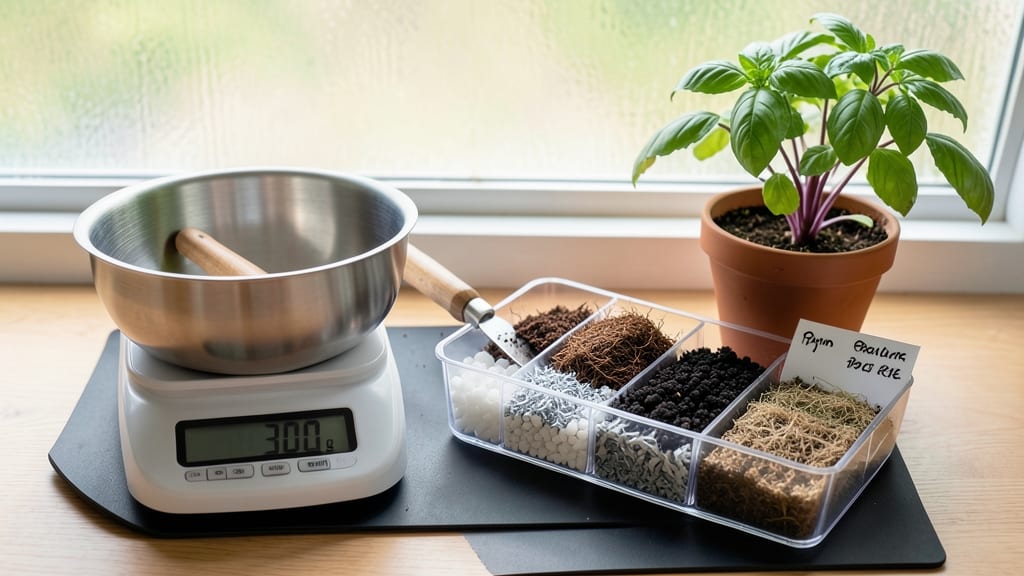
The right potting soil mixture ratio transforms struggling plants into thriving container stars. 🌱 I learned this the hard way after my basil turned yellow and my ferns wilted—turns out, the store-bought bag wasn't enough.
The secret lies in balancing drainage, aeration, and nutrients, and I've tested the ratios that actually work.
For most plants, start with 60% peat moss or coconut coir for moisture retention, 20% perlite or vermiculite for aeration, and 20% compost for nutrients. Herbs like basil need slightly more perlite (30%) to prevent root rot, while succulents thrive with 50% perlite and 30% coarse sand.
The key is adjusting based on your plant's natural environment—mimic their wild conditions in a pot.
You'll notice the difference within weeks: plants stay upright, roots breathe properly, and water drains without drowning the roots. The mixture stays fluffy yet crumbly, holding moisture without turning soggy. This is the foundation of container gardening success—no more guesswork, just science-backed results.
Customize further by adding worm castings for extra nutrients or orchid bark for air plants. If your soil compacts too quickly, add more perlite; if it dries out fast, boost the peat moss.
The goal is a mix that feels like a cloud—light, airy, and full of life. Let's get your containers growing right.
📚 In This Guide
- What you need
- Instructions
- Tips and common mistakes
- Wrapping up and next steps
What you need
- ● Base soil: 50% sterilized potting mix (e.g., peat moss, coconut coir, or a pre-mixed bagged soil). Tip: Avoid garden soil—it compacts and lacks aeration!
- ● Organic matter: 20% compost or well-rotted manure (adds nutrients and improves structure).
- ● Perlite or vermiculite: 10% (boosts drainage and aeration).
- ○ Sand (coarse): 10% (optional but helpful for heavy clay soils or sandy mixes).
- ○ Worm castings: 5-10% (optional nutrient powerhouse for micro-organisms).
- ● Large container or wheelbarrow (for mixing).
- ● Garden gloves (to keep hands clean!).
- ● Measuring tools (bucket, scale, or DIY "scoop" method).
- ○ pH testing kit (optional but highly recommended for acid-loving plants like blueberries or azaleas).
- ● Slow-release fertilizer (e.g., osmocote) if your plants need extra nutrients.
- ● Sterilized soil (bake garden soil at 200°F/93°C for 30 mins to kill pathogens).
- ● Know your plant’s needs—adjust ratios for succulents (more perlite), ferns (more peat), or veggies (more compost).
- ● Moisture control—mix on a dry day to avoid clumping!
Step-by-step guide to crafting a science-backed potting soil mix
Here's how to blend the perfect container soil—tailored to your plants' needs—using proven horticultural ratios.
🌱 Step 1: Choose Your Base Components
Start with 70% premium potting mix as your foundation—this provides essential nutrients and structure while preventing compaction. I always use a peat-free blend to avoid moisture retention issues. For containers, add 20% perlite to create air pockets; this prevents root suffocation and improves drainage.
For heavier plants like ferns or calatheas, increase perlite to 25% to prevent soggy roots. You'll notice the mix feels lighter and fluffier after adding perlite—this is your signal it's ready for the next step. If you're growing succulents, replace perlite with coarse sand instead.
🌿 Step 2: Add Organic Matter for Nutrients
Incorporate 10% compost or worm castings to feed beneficial microbes and provide slow-release nutrients. I like to sift compost through a ¼-inch mesh to remove large chunks that could compact in containers. Mix this gently with a garden fork or your hands until evenly distributed.
For flowering plants, add a 5% dose of coco coir—this retains moisture while improving aeration. You'll see the final mix darken slightly and smell earthy; this indicates healthy microbial activity. Avoid overdoing compost—too much can create a paste-like consistency that suffocates roots.
✂️ Step 3: Customize for Plant Type
For vegetables and herbs, blend in 5% vermiculite to hold moisture while allowing airflow. This works especially well for basil or lettuce, which need consistent dampness. For orchids and epiphytes, reduce the potting mix to 50% and add 40% bark fines and 10% charcoal—this mimics their natural airy growing conditions.
Test your mix by filling a small container and watering it. If water pools on top after 10 minutes, add more perlite or sand. If it drains too quickly, increase the potting mix percentage. The ideal blend should hold moisture like a well-wrung sponge—damp but not dripping.
🪴 Step 4: Final Adjustments and Storage
Fluff the mix with a garden fork to break up any clumps—compacted soil prevents root expansion. I like to store my blend in a sealed bin for up to 6 months, but if you notice mold or an off smell, discard it. For long-term use, add 1 tablespoon of mycorrhizal fungi per gallon to boost root health.
Use your custom mix within 2 weeks for best results. Over time, the organic matter breaks down, so refresh your blend annually. You'll know it's working when your container plants show vibrant growth and fewer signs of stress like yellowing leaves or wilting.
Tips & tricks for perfect container soil blends
These science-backed strategies will help you create the ideal growing medium tailored to your plants' unique needs.
The Base Ratio Secret: The 70% premium potting mix foundation is non-negotiable for structure, but here's what I've learned: always weigh your components rather than measuring by volume. A 1-gallon container of potting mix can vary by up to 15% in volume when compressed—this affects your perlite ratio dramatically. For example, that 20% perlite becomes 25% by weight when packed tightly. Use a digital kitchen scale for accuracy, especially when working with large batches.
Perlite vs. Sand: While both serve as amendments, they behave differently. Perlite expands when heated, creating those crucial air pockets, while sand adds weight and texture. For moisture-sensitive plants like succulents, I've found that coarse horticultural sand (not playground sand) works better than perlite because it doesn't break down as quickly. Test your choice by mixing 50% perlite/sand with 50% potting mix, then water thoroughly. Perlite should drain within 5 minutes, while sand may take 10-15 minutes—this helps you gauge which suits your plants better.
Compost Consistency Check: The 10% compost recommendation is perfect, but here's the trick: always sift it through that ¼-inch mesh before mixing. Unsifted compost can contain large chunks that create air pockets where roots won't penetrate. I keep a dedicated sifter just for this purpose. For flowering plants, that 5% coco coir addition is worth it—it holds 2-3 times its weight in water while still allowing oxygen flow. The key is to mix it thoroughly so it doesn't clump in one area of your container.
Storage Wisdom: That 6-month shelf life for your mix assumes proper storage conditions. I store my blends in heavy-duty plastic bins with airtight lids, elevated off the ground to prevent moisture wicking from concrete floors. The 2-week freshness window for best results comes from the organic matter's microbial activity—after that, nutrients start breaking down. For long-term use, I add mycorrhizal fungi every 3 months to maintain that beneficial microbial community. You'll notice your plants develop stronger root systems and better nutrient uptake when using freshly mixed soil.
Pro Tips for Potting Soil Mixture Ratio
- These science-backed strategies will help you create the ideal growing medium tailored to your plants' unique needs.
- The Base Ratio Secret: The 70% premium potting mix foundation is non-negotiable for structure, but here's what I've learned: always weigh your components rather than measuring by volume.
- Perlite vs.
Frequently asked questions
Got questions about nailing the perfect potting soil mixture ratio? You’re in the right place! Whether you’re troubleshooting a fussy plant or curious about shortcuts, here are answers to the most common queries—straight from the garden to your inbox.
What’s the best basic potting soil mixture ratio for most houseplants?
For most houseplants, a 60% potting soil, 30% perlite or vermiculite, and 10% compost or peat moss ratio works wonders. This balance drains well while retaining moisture—ideal for ferns, succulents, and flowering plants. Adjust perlite for sandier mixes if your plant prefers drier conditions (like cacti).
How often should I adjust the mixture ratio for seasonal changes?
Seasonal tweaks aren’t usually necessary, but monitor your plants’ needs. In summer, add 5–10% more perlite to prevent soggy roots, while winter might call for a splash of compost (5–10%) to support slower growth. Observe wilting or mold—your plant’s the best guide!
Can I use regular garden soil instead of potting mix?
Not ideal! Garden soil compacts easily, blocks drainage, and can harbor pests. If you’re in a pinch, amend it: mix 1 part garden soil with 2 parts perlite and 1 part compost. For containers, stick to sterile potting mix to avoid root rot and nutrient imbalances.
My plant’s leaves are yellowing—did I mess up the ratio?
Yellowing leaves often signal overwatering or poor drainage. Check your mix: if it’s too heavy (too much soil, not enough perlite), roots suffocate. Fix it by repotting with a 50/50 soil-perlite blend and watering only when the top inch is dry. For nutrient deficiencies, add a balanced fertilizer (half-strength).
Where can I buy affordable potting soil and amendments?
Start with big-box stores (Home Depot, Lowe’s) for budget-friendly potting mixes (like Miracle-Gro or FoxFarm). For perlite/vermiculite, check garden centers or online retailers (Amazon, Etsy). Pro tip: Buy in bulk if you garden year-round—it saves money and reduces waste!
How long can I reuse potting soil?
Reuse soil 1–2 times max, then refresh it. Over time, nutrients deplete, and salts build up. Revive old mix by sifting out debris, adding 10% compost, and fluffing with perlite. For sterile reuse, bake soil at 200°F for 30 minutes to kill pathogens (wear a mask!).
Still stumped? Drop your plant type or issue in the comments—we’re happy to help you dial in the perfect blend!
Wrapping up and next steps
Mastering the potting soil mixture ratio is your secret weapon for lush, healthy container gardens! Whether you’re blending peat moss, perlite, and compost or fine-tuning for succulents vs. veggies, the right balance ensures roots breathe, water drains, and nutrients thrive.
Start small—experiment with a few pots, adjust as you go, and soon you’ll have a foolproof formula tailored to your green thumb’s needs.
🌱 Ready to level up? Grab your gloves and try mixing your first batch today—your plants (and future harvests) will thank you!