
Plants
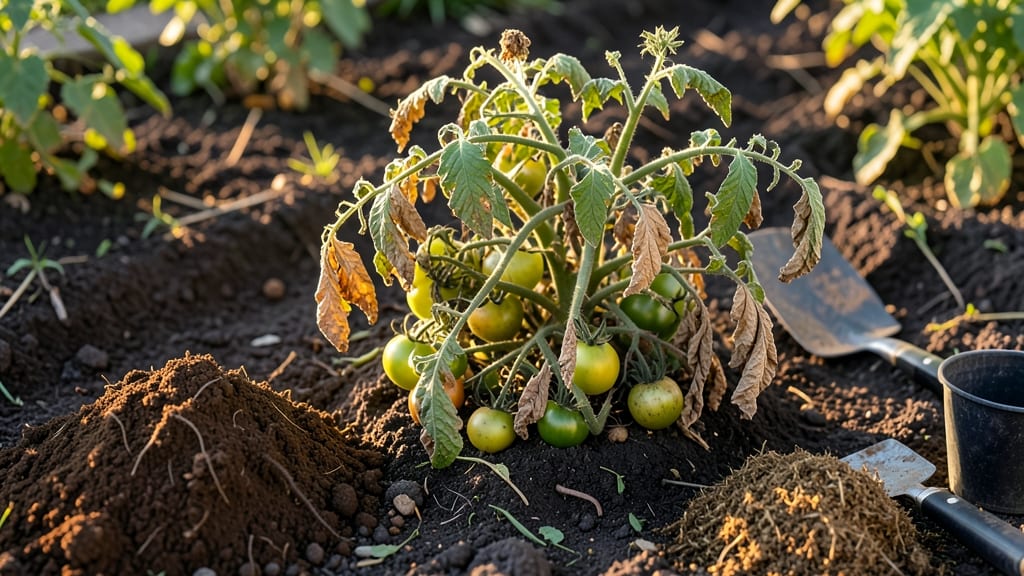
You can reuse soil from a dead plant, but only after thorough testing and sterilization—pathogens like Phytophthora or pests may linger, and nutrients are often depleted. Heat-treat or solarize the soil, then mix in compost or fresh soil to restore balance before repurposing it for non-edible plants.
Dead plant soil often hides unseen threats like fungal spores or pest eggs that can infect new plants. 🌱 Even if it looks harmless, the decay process may have left behind harmful microbes or depleted essential nutrients.
I always recommend testing pH levels and moisture retention before reuse—soil that’s too acidic or compacted can stifle root growth. For safe salvage, combine sterilized soil with organic matter like worm castings or coconut coir to revive its structure and fertility.
Solarization is my go-to method for sterilization: spread the soil in a shallow tray, cover with clear plastic, and leave it in full sun for 4-6 weeks. This kills pathogens naturally without chemicals.
If you’re short on time, baking the soil in a 200°F oven for 30 minutes works too. Just remember—sterilized soil still needs amendments to support new plant life effectively.
💡 In This Article
- Why Dead Plant Soil May Be Dangerous
- How to Safely Salvage and Reuse Potting Soil
Why dead plant soil may be dangerous
Dead plants don't just die—they become breeding grounds for hidden threats. Fungal pathogens like Phytophthora or Fusarium thrive in decaying organic matter, creating microscopic spores that can survive months in soil.
These pathogens often show up as blackened stems, yellowing leaves, or moldy patches on new plants. 🌱 The decay process also releases toxins that disrupt root growth, making the soil inhospitable for fresh plantings.
Pest eggs and larvae are another major risk. Fungus gnats, aphids, and even nematodes lay eggs in moist, decomposing soil that hatch within days. A single tablespoon of infected soil can contain hundreds of these pests, which then infest new plants.
Even if the soil looks clean, microscopic eggs may remain dormant until moisture triggers their hatching. This is why repotting plants in reused soil often leads to sudden pest outbreaks weeks later.
Nutrient depletion is the third silent killer of reused soil. As plants decay, they consume nitrogen and other essential nutrients, leaving behind a depleted medium.
Studies show that reused potting soil can lose up to 50% of its nitrogen content within six months, while phosphorus and potassium levels drop by 30-40%. The result? New plants grow slowly or develop nutrient deficiencies like yellowing leaves or stunted stems, despite appearing healthy at first.
Salt accumulation is another hidden issue, especially in hydroponic or indoor growing setups. Dead plants release salts as they decompose, which build up over time and create a toxic environment. You can test for this by measuring electrical conductivity—levels above 2.0 dS/m indicate problematic salt buildup that stunts root development.
This is why reused soil often fails to support new plants, even after sterilization.
Visual clues can help identify compromised soil. Look for a sour smell (indicating fungal activity), a gummy texture (sign of root rot pathogens), or visible mold growth. Even if the soil appears dry and crumbly, microscopic threats may still lurk.
The key is understanding that what looks harmless can become a silent killer for new plantings.
Here's what's actually happening at a microscopic level: Dead plant matter becomes a nutrient-rich buffet for soil microbes, which multiply rapidly. While some microbes are beneficial, others produce toxins called allelochemicals that inhibit seed germination and root growth.
This chemical warfare explains why reused soil often fails to support new plants, even after sterilization.