
Neem Oil
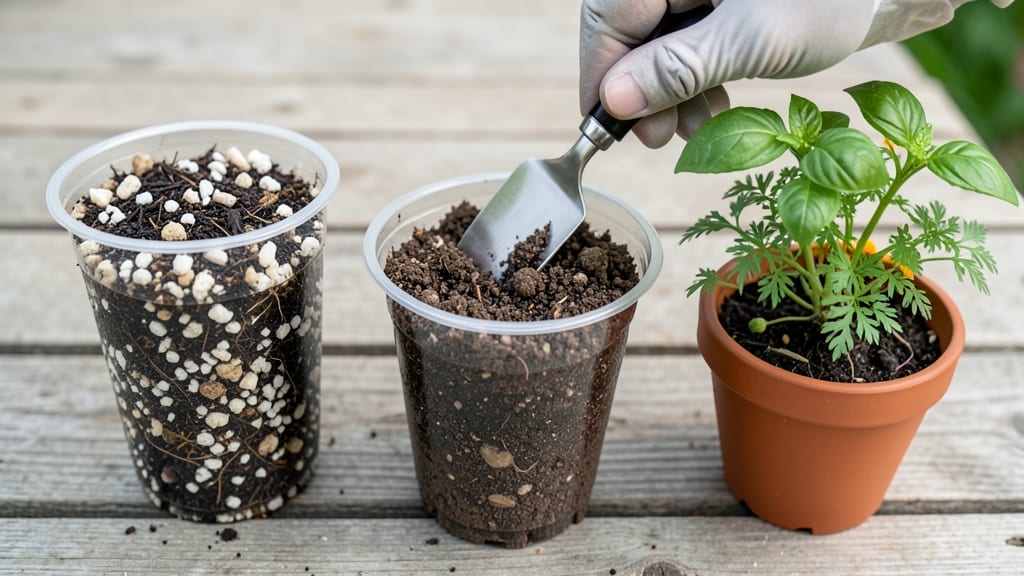
The difference between potting mix and garden soil is what keeps your plants alive or doomed from day one. 🌱 I’ve killed more seedlings than I’d like to admit by ignoring this simple fact—potting mix and garden soil aren’t interchangeable, and mixing them up can mean soggy roots or stunted growth.
Let me break down why one is for containers and the other for the ground, and how to pick the right one for your plants.
Potting mix is designed to drain fast, stay light, and hold just enough moisture without suffocating roots. It’s usually made from peat, perlite, and compost, with no clay or heavy minerals that slow drainage.
Garden soil, on the other hand, is packed with organic matter, clay, and nutrients—but it’s also dense, which can trap water and cut off oxygen to roots. That’s why your container plants need potting mix and your in-ground veggies thrive in garden soil.
Using the wrong mix leads to common mistakes: overwatering plants in heavy garden soil (which drowns roots) or letting potting mix dry out too fast (which starves plants).
Herbs and veggies in pots need that airy potting mix, while flowers and shrubs in the ground do best with nutrient-rich garden soil. The right choice means stronger plants, fewer wilting leaves, and a garden that actually grows.
Here’s the quick rule: if it’s in a pot, use potting mix. If it’s in the ground, use garden soil. And if you’re mixing them? That’s how you end up with a sad, struggling plant. Trust the labels, and your garden will thank you.
The first product explained
Meet Miracle-Gro Indoor Potting Mix—your go-to companion for thriving houseplants and container gardens! 🌱✨ This premium blend is designed to give your green babies the perfect start, whether you're a seasoned plant parent or just dipping your toes into the world of indoor gardening.
📏 Specs & Features
This lightweight, airy potting mix is engineered for optimal drainage and aeration, preventing those dreaded soggy roots that can spell trouble for your plants. Here’s what makes it stand out:
- Perfect blend: Combines peat moss, compost, and perlite for a fluffy, nutrient-rich texture.
- Slow-release fertilizer: Includes Miracle-Gro Shake 'n Feed for up to 3 months of balanced nutrition—no extra feeding required!
- Ideal for: Houseplants, herbs, vegetables, and flowering plants in containers.
- Bag size: Available in 8 qt, 12 qt, and 18 qt options to fit your gardening needs.
- Moisture control: Designed to retain just the right amount of water without compacting.
🎯 Who’s It For?
This potting mix is a versatile powerhouse for:
- 🌿 Beginner gardeners: Easy to use and forgiving for those still learning the ropes.
- 🏡 Urban gardeners: Perfect for small spaces, balconies, and windowsills.
- 🌶️ Herb and veggie lovers: Supports healthy growth of basil, tomatoes, peppers, and more.
- 🌸 Flower enthusiasts: Helps blooms thrive with consistent moisture and nutrients.
💰 Price Point & Value
Priced affordably for its quality, Miracle-Gro Indoor Potting Mix typically ranges from $8 to $15, depending on the bag size. With its long-lasting nutrients and ease of use, it offers serious value—especially when compared to repurposing garden soil (which can compact and suffocate roots!).
Pro tip: 💡 Pair it with a self-watering planter for hands-off convenience, or mix in a handful of orchid bark for extra aeration if growing tropical plants!
The second product explained
Meet Miracle-Gro Indoor Potting Mix—your secret weapon for thriving container gardens! 🌱✨ This premium blend is designed to give your houseplants, herbs, and veggies the perfect home, whether you're a seasoned gardener or just starting out. Let’s dig into what makes it stand out.
📏 Specs & Features
This lightweight, airy mix is engineered for indoor and container gardening, packed with key benefits:
- Balanced nutrient formula: Includes controlled-release fertilizer for steady growth (no extra feeding for 3 months!).
- Superior drainage: Combines peat moss, perlite, and vermiculite to prevent soggy roots—ideal for ferns, succulents, and herbs.
- Moisture retention: Holds just the right amount of water to keep roots happy without drowning them.
- pH-balanced: Neutral pH (around 6.0–6.5) suits most plants, including vegetables, flowers, and foliage.
- Sterilized & weed-free: No surprises—just pure, clean growing medium.
🎯 Who’s It For?
This mix is a versatile powerhouse for:
- Indoor gardeners: Perfect for herbs, strawberries, and microgreens on windowsills or under grow lights.
- Balcony/patio planters: Supports tomatoes, peppers, and flowers in pots and raised beds.
- Newbies & pros: Easy to use with clear instructions and forgiving formula for beginners.
- Succulent/sensitive plant lovers: The fast-draining nature prevents root rot.
💰 Price Point & Value
Priced at $9.97 for a 8-quart bag (or ~$12.97 for 12-quart), it’s a budget-friendly upgrade from generic soil.
With its nutrient boost and longevity, you’ll save money on extra fertilizers and replanting. Pro tip: 💡 Split the 12-quart bag for two large planters or six small pots—maximize your investment!
Need a foolproof mix that’s ready to grow? Miracle-Gro Indoor Potting Mix delivers—no guesswork, just results! 🌿
Head-to-head comparison
Now that we’ve explored the unique qualities of potting mix and garden soil, let’s dive into a side-by-side comparison to help you decide which is best for your plants.
Whether you're a seasoned gardener or just starting out, understanding these differences will save you time, money, and frustration. Let’s break it down! 🌱🔍
📊 Performance: How They Support Plant Growth
Performance is where potting mix and garden soil truly shine—or fail—to meet your plants' needs. Here’s how they stack up:
- Potting Mix:
- ✅ Optimized for root health: Lightweight and airy, it encourages root expansion and prevents compaction, which is crucial for container plants. Think of it as a cozy, well-ventilated apartment for your plant’s roots!
- ✅ Moisture retention with drainage: Designed to hold just the right amount of water without drowning roots. Perfect for plants that hate soggy feet (looking at you, ferns and succulents!).
- ✅ Nutrient-rich blend: Often includes slow-release fertilizers or compost, giving your plants a steady diet of goodness. No need to fertilize as frequently!
- Garden Soil:
- ⚠️ Heavy and dense: Can compact over time, restricting root growth and airflow. Ideal for in-ground plants but a nightmare for containers.
- ⚠️ Variable moisture levels: Retains water longer than potting mix, which can lead to root rot if not amended with sand or perlite. Drainage issues are a common complaint!
- ⚠️ Nutrient-dependent: Often lacks the balanced nutrition of potting mix. You’ll likely need to supplement with fertilizer or compost to keep plants thriving.
Winner: Potting mix takes the lead for container gardening, while garden soil is better suited for in-ground planting. For a hybrid approach, amending garden soil with perlite or coconut coir can improve its performance in pots!
🛠️ Features: Composition and Ingredients
What’s actually in these mixes? Let’s compare their core ingredients to understand why they behave so differently.
| Feature | Potting Mix | Garden Soil |
|---|---|---|
| Primary Ingredients |
|
|
| Texture | Light, fluffy, and crumbly—like a cloud for your plants! | Dense and compact, especially when wet. |
| pH Balance | Neutral to slightly acidic (ideal for most houseplants). | Varies widely (can be acidic, alkaline, or neutral depending on location). |
| Microorganisms | Fewer beneficial microbes (sterilized to prevent disease). | Rich in natural microbes that break down organic matter. |
Pro Tip: 💡 If you’re using garden soil in pots, mix it with 30-50% potting mix or perlite to improve aeration and drainage. This combo gives you the best of both worlds!
💰 Price: Cost-Effectiveness for Your Budget
Let’s talk money—because even the greenest thumb has to consider the cost! Here’s how potting mix and garden soil compare at the checkout.
- Potting Mix:
- 💸 Higher upfront cost: Typically ranges from $3 to $8 per 2-4 cubic feet bag. Specialty mixes (like those for succulents or orchids) can cost even more.
- 💸 Long-term savings: Reduces the need for frequent fertilizing and minimizes plant stress, which can lead to healthier, longer-lived plants. Fewer replacements mean fewer purchases over time!
- 💸 Convenience factor: Ready-to-use with balanced nutrients. No need to amend or test—just plant and grow!
- Garden Soil:
- 💸 Lower cost: Often $1 to $3 per cubic foot (or free if you dig it from your yard!). Bulk purchases can be even cheaper.
- 💸 Hidden costs: May require amendments (like compost or sand) to improve drainage and fertility, adding to the total expense.
- 💸 Labor-intensive: Digging, sifting, and amending soil takes time and effort, which can add up if you’re not experienced.
Winner: If you’re on a tight budget and have the time to amend soil, garden soil wins. For convenience and guaranteed results, potting mix is the clear choice. Budget hack: 🎯 Buy potting mix in bulk or reuse old potting soil by adding fresh compost!
🏗️ Durability: Longevity and Shelf Life
How long will your soil or potting mix stay effective? Durability matters, especially if you’re planning a long-term garden project.
- Potting Mix:
- ⏳ Shelf life: Unopened bags last 1-2 years. Once opened, use within 6 months to avoid mold or nutrient depletion.
- ⏳ Degradation: Organic components (like peat moss) break down over time, reducing moisture retention. Refresh with compost every 6-12 months.
- ⏳ Reusability: Can be reused 1-2 times by adding fresh compost or perlite, but avoid overusing to prevent salt buildup from fertilizers.
- Garden Soil:
- ⏳ Shelf life: Doesn’t "expire," but quality degrades if stored improperly (e.g., exposed to rain or extreme heat).
- ⏳ Natural renewal: Benefits from seasonal changes (rain, frost, and decomposing organic matter). However, heavy use can deplete nutrients.
- ⏳ Reusability: Can be reused indefinitely with proper amendments (compost, manure, or fertilizer). Ideal for in-ground gardens!
Winner: Garden soil wins for long-term durability in in-ground settings, while potting mix is best
Which one should you choose?
So, you’ve weighed the differences between potting mix and soil—now what’s the best choice for your plants? The answer depends on your gardening goals, space, and the types of plants you’re nurturing. Here’s a clear breakdown to help you decide:
🌱 Choose Potting Mix If:
- You’re growing in containers. Potting mix is lightweight, aerated, and designed to prevent compaction—perfect for pots, hanging baskets, or raised beds.
- Your plants need extra nutrients. Many potting mixes include slow-release fertilizers or compost, giving your plants a nutrient boost without extra effort.
- You’re dealing with poor drainage. Potting mix drains faster than soil, preventing root rot in confined spaces.
- You’re a beginner or short on space. It’s forgiving for first-timers and ideal for balconies, patios, or small gardens.
🏡 Choose Soil If:
- You’re planting in-ground. Native soil retains moisture and nutrients better for deep-rooted plants like trees, shrubs, or perennials.
- Your plants thrive in natural conditions. Vegetables, fruits, and flowers often grow best in their native soil environment.
- You want long-term sustainability. Soil builds organic matter over time, reducing the need for frequent amendments.
- You’re on a budget. Soil is often cheaper than high-quality potting mixes, especially if you’re amending it yourself.
💡 Pro Tip for Hybrid Solutions:
Not sure which to pick? Mix them! For example:
- Add 20-30% potting mix to heavy clay soil to improve drainage.
- Amend potting mix with native soil (50/50) for moisture retention in drought-prone areas.
- Use potting mix for top layers in garden beds to give plants a nutrient-rich start.
🌿 Final Thought: There’s no one-size-fits-all answer—just match your medium to your plants’ needs! Experiment, observe, and adjust as you go. Happy gardening! 🌱✨