
Propagation
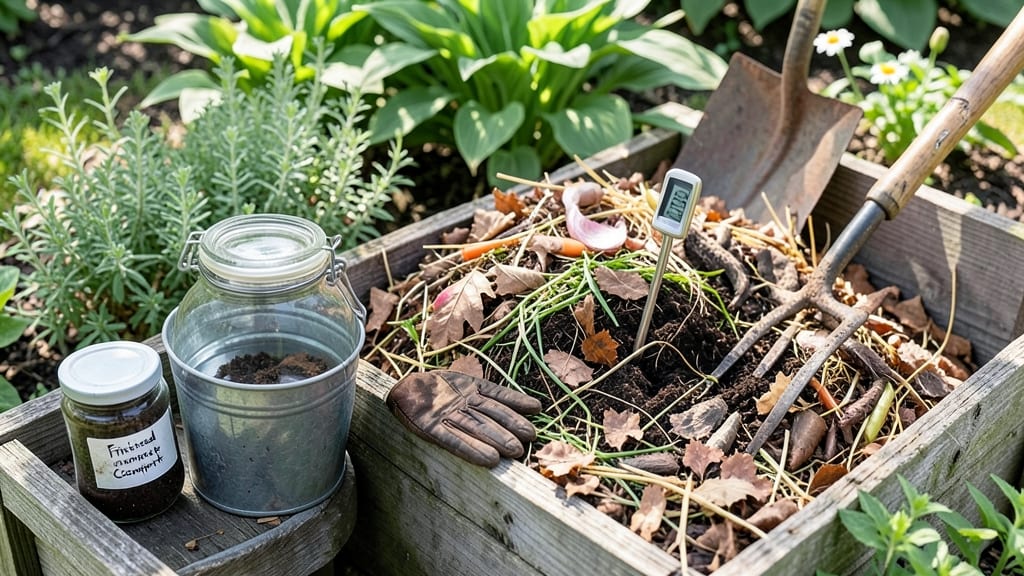
Organic matter in soil comes from decomposed plant materials like leaves, roots, and crop residues, along with animal sources such as manure, insects, and microbial life. This natural breakdown enhances soil fertility and structure over time.
Soil organic matter isn't just decaying leaves—it's a complex mix of carbon-rich compounds from plants and nitrogen-rich materials from animals. 🌱 The plant materials, like cellulose and lignin, break down slowly, releasing nutrients gradually, while animal contributions (such as worm castings) add immediate fertility.
Think of it as nature's slow-release fertilizer, improving water retention and root growth in the process.
This organic material also supports beneficial microbes and earthworms, which further break down matter and create air pockets in the soil. Without it, soil becomes compacted and nutrient-poor, struggling to support healthy plant life. That's why gardeners and farmers focus so much on maintaining or increasing organic matter levels.
💡 In This Article
- Key Sources of Soil Organic Matter Breakdown
- How to Boost Soil Organic Matter Naturally
Key sources of soil organic matter breakdown
Soil organic matter primarily originates from plant materials that contain complex carbohydrates like cellulose and lignin, which make up roughly 40-60% of the total organic content.
These compounds break down at different rates—cellulose decomposes relatively quickly (within weeks to months), while lignin, a tough structural polymer, can persist for years. 🌿 The decomposition process releases essential nutrients like nitrogen, phosphorus, and potassium, which become available to plants over time.
Animal-derived sources contribute another critical layer, including worm castings (which contain 5-10 times more nutrients than regular soil), microbial biomass, and decomposed manure. These materials are rich in nitrogen and phosphorus, which plants absorb rapidly.
For example, a single gram of soil can contain up to 10,000 microbial cells, each contributing to the breakdown process through enzymes that accelerate decomposition. The texture of these materials also improves soil structure by creating aggregates that hold moisture and air.
What most gardeners overlook is how the balance between carbon (from plants) and nitrogen (from animals) affects decomposition. A 25:1 to 30:1 carbon-to-nitrogen ratio is ideal for composting—too much carbon slows the process, while too much nitrogen creates foul odors.
This balance explains why adding fresh grass clippings (high nitrogen) to wood chips (high carbon) creates an optimal decomposition environment. 🔥
Another fascinating aspect is the role of "necro-mass," or dead plant and animal matter that hasn't fully decomposed. This intermediate stage provides a temporary nutrient reservoir for microbes and fungi, which then convert it into humus—a stable, dark, crumbly substance that improves soil fertility for decades.
Humus can hold up to 90% of its weight in water, which is why soils rich in organic matter retain moisture better during droughts.
Consider the example of a compost pile: the outer layers of leaves and straw (high carbon) decompose slowly, while inner layers of food scraps and manure (high nitrogen) break down quickly. This gradient creates a self-regulating system where heat and microbial activity peak in the center, accelerating nutrient release.
The resulting humus-like material is what gardeners covet for its ability to revitalize depleted soils. ✨
For those working with urban gardens or containers, even small additions like coffee grounds (high nitrogen) or shredded newspaper (carbon-rich) can significantly boost organic matter over time. The key is consistency—regular inputs ensure a steady supply of nutrients rather than relying on one-time amendments.
This gradual approach mimics natural ecosystems where organic matter builds up continuously through seasonal leaf fall and animal activity.