
How To
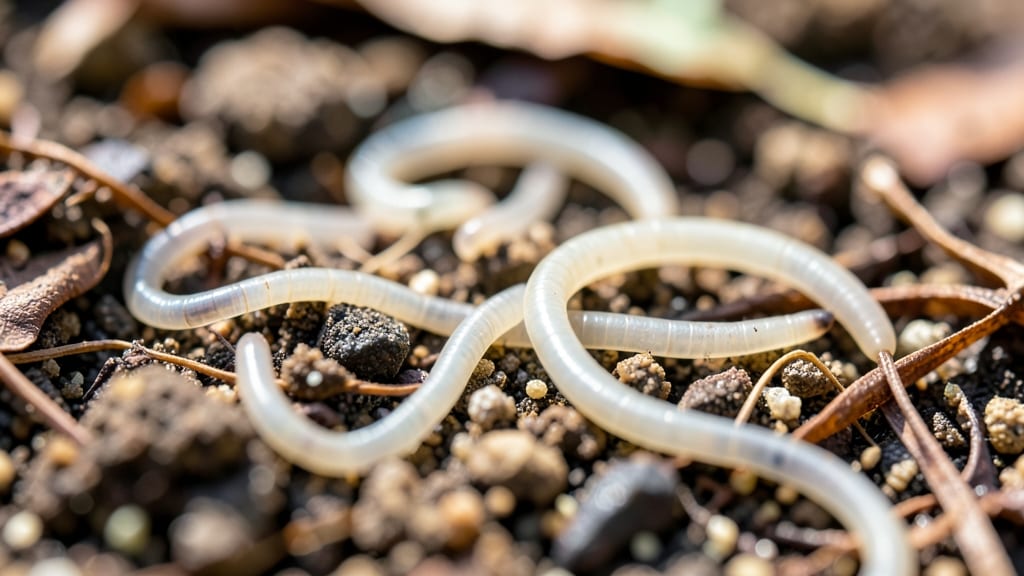
Seeing these tiny, wriggly invaders under a microscope changed how I think about soil health. 🌱 Nematodes in soil pictures reveal both helpful and harmful varieties—some boost plant growth while others silently destroy roots, leaving behind stunted plants and yellowing leaves that mimic nutrient deficiencies.
The key to spotting them lies in their damage: gnarled roots, tiny holes in leaves, or plants that suddenly wilt despite proper watering.
I’ve learned to check soil samples under a basic microscope (even a dollar-store one works) or send them to a lab for confirmation—because what looks like drought stress might actually be a nematode feast.
Once you confirm their presence, the good news is management isn’t as scary as it sounds. Crop rotation, resistant plant varieties, and organic treatments like neem oil or beneficial nematodes can turn the tide. My tomato plants went from struggling to thriving after just one season of targeted action.
This isn’t just about fixing problems—it’s about building a smarter garden. Understanding nematodes helps you work with your soil instead of against it, and the results are worth the effort. Let’s break down what you’re seeing and how to respond.
Hidden Forces Behind Soil Nematodes
Soil isn’t just dirt—it’s a bustling ecosystem where microscopic players like nematodes thrive. But why do these tiny worms suddenly appear in your soil, sometimes in overwhelming numbers? Their presence isn’t random; it’s the result of a mix of environmental, biological, and agricultural factors.
Understanding these causes can help you manage their impact—whether you’re a gardener, farmer, or curious soil scientist. Let’s dig into the science behind their proliferation.
Nematodes are a normal part of soil life, but their populations can explode when the balance of their predators and competitors shifts. Here’s how it happens:
- Loss of natural predators: Beneficial organisms like fungi, protozoa, and other nematode-eating species (e.g., Steinernema and Heterorhabditis bacteria-feeding nematodes) keep their numbers in check. If these predators decline due to pesticides, tillage, or habitat destruction, nematodes multiply unchecked.
- Overuse of synthetic fertilizers: Excess nitrogen and phosphorus create a nutrient-rich buffet for nematodes, fueling their reproduction. Tip: Organic matter like compost can support a healthier soil food web, reducing nematode dominance.
- Monoculture farming: Planting the same crop year after year depletes soil diversity, leaving nematodes with a single, vulnerable food source. Rotating crops disrupts their life cycles and starves them out.
Nematodes are highly sensitive to soil conditions. When environmental factors shift—especially toward warmth and moisture—they thrive. Here’s why:
- Warm, moist soil: Most plant-parasitic nematodes (like root-knot or lesion nematodes) love temperatures between 70–90°F (21–32°C) and high humidity. Irrigation or heavy rainfall creates the perfect breeding ground.
- Poor drainage: Waterlogged soil suffocates beneficial microbes but protects nematode eggs and larvae from drying out. Actionable fix: Improve drainage with sand or organic amendments to discourage their buildup.
- Extreme weather events: Floods or droughts can wash away predators while leaving nematodes to feast on stressed plants. Climate shifts are making these conditions more common.
From farming practices to accidental introductions, human actions often amplify nematode problems. Here’s how:
- Contaminated tools or soil: Nematodes hitchhike on garden tools, shoes, or even water from infested areas. Pro tip: Disinfect tools with 70% alcohol or steam before moving between plots.
- Improper composting: Compost made from plant debris with nematode eggs (like diseased roots) can spread infestations rather than break them down. Use high-heat composting (140°F+) to kill them.
- Over-tillage: Disturbing soil aerates it for nematodes but destroys their natural enemies and exposes eggs to ideal conditions. Alternative: Use no-till farming to preserve soil structure and microbial balance.
Understanding these causes is the first step to managing—not eradicating—nematodes. Many species are harmless or even beneficial, while others can wreak havoc on crops. The key is balance: nurture the soil’s natural defenses, monitor conditions, and intervene only when necessary.
Next, we’ll explore how to spot these microscopic invaders in your own garden.
How to Treat Soil Nematode Issues
Dealing with nematodes in your soil doesn’t have to be a daunting task—especially when you know the right strategies. Whether you’re dealing with root-knot nematodes, cyst nematodes, or other microscopic pests, these practical solutions will help you restore balance to your garden or farm.
Below, we’ve mapped out cause-specific fixes, along with prevention tips to keep your soil—and plants—thriving.
Before jumping into treatments, diagnose the type of nematode causing issues.
Look for these signs: - Wilting or stunted plants (common with root-feeding nematodes) - Galls or knots on roots (root-knot nematodes) - Yellowing leaves (cyst nematodes or lesion nematodes) - Poor growth despite good care (could indicate high nematode populations)
If you’re unsure, send soil or plant samples to a local extension office or lab for testing. A clear diagnosis ensures you use the most effective treatment.
🔥 Boost Beneficial Microbes
Healthy soil teems with nematode predators like:
- Bacillus firmus (bacteria that attack root-knot nematodes)
- Pasteuria penetrans (a natural parasite of root-knot nematodes)
- Fungal predators (e.g., Trichoderma species)
How to apply:
- Use commercial biofungicides (e.g., Botrytis or Pochonia products).
- Compost tea (rich in beneficial microbes) can be applied as a soil drench.
- Plant cover crops like marigolds, mustard, or cowpeas—they attract nematode predators and suppress harmful populations.
🍳 Solarization (For Severe Infestations)
If nematodes are overwhelming your soil, solarization can help:
- When to do it: Late spring or early summer (when temps are consistently above 85°F/30°C).
- How to do it: 1. Clear the area of plants and debris.
- Water the soil thoroughly to raise moisture levels.
- Cover with clear plastic (4-6 mil thickness) for 4-6 weeks, securing edges with soil or rocks.
- Sun heats the soil, killing nematodes, weed seeds, and pathogens.
⚠️ Warning: Only works in hot climates—not effective in cooler regions.
👨🍳 Nematicides (Use Sparingly)
Chemical nematicides (e.g., fenamiphos, carbofuran) can be effective but should be a last resort due to environmental risks.
If used: - Follow label instructions precisely (overuse harms beneficial soil life). - Rotate with biological controls to avoid resistance. - Best for: High-value crops (e.g., strawberries, tomatoes) where organic methods fail.
Organic alternatives:
- Neem cake (contains azadirachtin, which repels nematodes).
- Chitosan or garlic-based sprays (disrupt nematode feeding).
- Hydrogen peroxide (3%) (apply as a soil drench—oxygenates soil, suffocating nematodes).
🥘 Crop Rotation and Plant Selection
Nematodes specialize in certain plants—break the cycle with:
- Avoid planting susceptible crops (e.g., tomatoes, peppers, potatoes) in the same spot yearly.
- Rotate with resistant varieties (e.g., nematode-resistant cucumbers or melons).
- Use trap crops like Sudan grass or sorghum to lure nematodes away from main crops.
🔪 Soil Health Optimization
Healthy soil = stronger plants that resist nematodes. Focus on:
- Improving drainage (nematodes thrive in waterlogged soil).
- Adding organic matter (compost, well-rotted manure) to boost microbial activity.
- Limiting synthetic fertilizers (excess nitrogen weakens plant defenses).
💡 Pro Tip: Biochar (charred organic material) can bind to nematodes and reduce their mobility—mix it into soil before planting.
To keep nematodes in check year-round, follow this prevention plan:
| Action | How to Do It | Best Time |
|---|---|---|
| Test soil annually | Send samples to a lab for nematode count. | Early spring or fall. |
| Plant cover crops | Grow marigolds, clover, or brassicas. | Fall or early spring. |
| Mulch heavily | Use straw or wood chips to suppress weeds (which harbor nematodes). | Year-round. |
| Avoid overwatering | Let soil dry slightly between waterings. | Growing season. |
| Rotate crops | Follow a 3-4 year rotation plan. | Planting season. |
Nematodes aren’t all bad—many help break down organic matter and cycle nutrients. The goal isn’t to eliminate them but to maintain a healthy balance. By combining biological controls, smart planting, and soil care, you’ll create an environment where beneficial nematodes outnumber the harmful ones.
Start small: Pick one or two methods (e.g., solarization + cover crops) and monitor results. Over time, your soil—and your plants—will thank you! 🌱✨
Frequently asked questions
What do harmful nematodes look like under a microscope?
Plant-parasitic nematodes appear as tiny, thread-like worms measuring 0.2–2 millimeters long. Root-knot nematodes have a swollen, pear-shaped head, while lesion nematodes look more slender with a pointed tail. Beneficial nematodes (like Steinernema) are slightly larger and often carry bacteria in their digestive tract.
How can I tell if my plants have a nematode problem without testing?
Look for these red flags: stunted growth, yellowing leaves, or roots with galls/knots. Dig up a plant and rinse roots—if you see tiny holes or swollen areas, nematodes are likely feeding. Compare with healthy plants from the same batch to spot differences.
Can I use household items to control nematodes?
Yes! Try garlic or onion spray (blend 1 chopped bulb with 1 quart water, strain, and spray soil), or hydrogen peroxide (3%) as a soil drench. For prevention, marigolds planted nearby naturally repel nematodes. Avoid vinegar—it harms beneficial soil microbes too.
Are all nematodes bad for plants?
No—many are actually helpful! Bacterivorous nematodes eat harmful bacteria, while fungivorous nematodes control fungal pathogens. Only 15% of species are plant-parasitic. A healthy soil ecosystem balances these groups—focus on improving soil health to encourage the good ones.
How long does it take to see results from nematode treatments?
Results vary by method: biological controls (like beneficial nematodes) take 4–8 weeks to establish, while solarization shows immediate effects. Crop rotation helps within 1–2 seasons. Monitor plant health weekly—sometimes symptoms improve before nematode populations visibly decline.