
Blooming
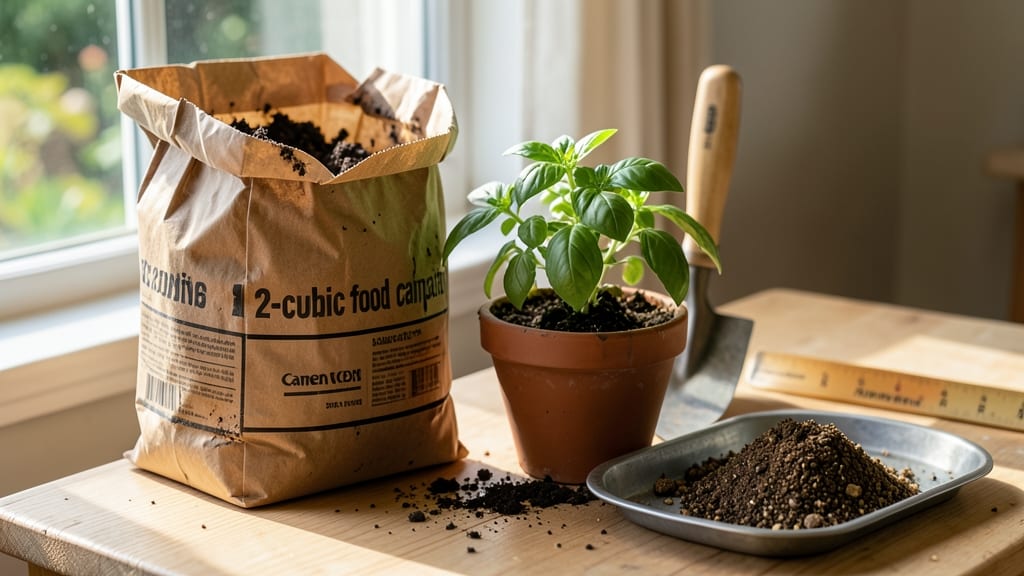
A bag of potting soil lasts 6 months to 2 years—but that timeline depends on what’s in it and how you store it. 🌱 I’ve learned the hard way that "premium" mixes with peat moss dry out fast, while organic blends with compost stay usable longer.
The key isn’t just the bag’s age but whether it’s still fluffy, fragrant, and free of mold. Moisture is the silent killer: damp soil grows bacteria or fungus within weeks, even if sealed. Additives like perlite or coconut coir extend freshness, but they also change how soil behaves.
My go-to trick? Store unopened bags in a cool, dark basement or garage—never the hot attic where they bake into a brick. You’ll know it’s gone bad when it smells sour, looks compacted, or sprouts fuzzy mold.
But here’s the secret: often, you can revive it by mixing in fresh compost or a handful of perlite to break up clumps. Just don’t use it for seedlings—those need sterile conditions.
For long-term use, split bags into smaller containers and top with a 1-inch layer of fresh soil each time you repot. That way, you’re always working with the freshest mix for your plants’ roots. Worth the effort!
📚 In This Guide
- What you need
- Instructions
- Tips and common mistakes
- Wrapping up and next steps
What you need
- ● 1–3 bags of potting soil (standard 2–4 cubic feet bags; pro tip: check for "sterile" or "organic" labels for best results!)
- ● Air-tight storage container (e.g., heavy-duty trash bag, food-grade bucket, or sealed plastic tote—aim for 5–10 gallons depending on volume).
- ○ Fine-mesh breathable bag (optional but ideal for long-term storage—think "seed-starting" bags or repurposed burlap sacks).
- ● Moisture meter or finger test kit (to check soil moisture levels—💡 pro tip: a simple hygrometer works too!).
- ● Labeling supplies (masking tape + marker or waterproof tags—date your soil!).
- ● Small hand trowel or fork (for fluffing soil if compacted).
- ○ Desiccant packets (optional, for ultra-dry climates—place 1–2 in the storage container).
- ● Spray bottle with water (for rehydrating soil if needed—use room-temp water).
- ● Check soil expiration date (if pre-mixed; most last 6–12 months unopened).
- ● Verify soil type (e.g., cactus mix vs. all-purpose)—some degrade faster!
- ● Confirm storage location (cool, dry, and dark—🌡️ avoid garages or attics!).
Step-by-Step guide to maximizing your potting soil's freshness
Here's how to stretch every bag's lifespan while keeping your plants thriving.
🌱 Step 1: Check the Expiration Date and Storage Conditions
Look for the printed expiration date on your bag—most quality potting mixes last 12-18 months when unopened and stored properly. I always check this first because even "fresh" soil can lose nutrients or develop mold if stored incorrectly. Store unopened bags in a cool, dry place like a basement or pantry, away from direct sunlight or temperature swings.
If you don't see an expiration date, assume it's good for 12 months from the manufacturing date. The reason is simple: organic matter breaks down over time, and beneficial microbes become less active. You'll notice this when soil starts to smell musty or develops a grayish tint—both signs it's past its prime.
🪴 Step 2: Transfer Soil to Airtight Containers for Long-Term Use
Once opened, transfer the remaining soil to airtight plastic bins or heavy-duty trash bags with sealed tops. I use 5-gallon buckets with locking lids for larger quantities. This prevents moisture loss and keeps out pests. The key is to press the soil down firmly to eliminate air pockets—this slows oxidation and preserves freshness.
Label each container with the date you opened the bag. This simple habit helps you track how long the soil has been stored. For example, if you open a 2-cubic-foot bag on March 1, mark it "March 1" and know it's best used within 6-8 months for optimal plant performance. You'll see healthier root growth and better moisture retention when using soil within this window.
💧 Step 3: Test Soil Quality Before Each Use
Before using stored soil, perform a quick squeeze test: Grab a handful and press it firmly. Good soil should hold its shape but not be rock-hard. If it crumbles easily or smells sour, it's time to refresh it. I also check for mold or white webbing—these are red flags for spoilage. Even if soil looks fine, mix in 10% fresh potting mix or a handful of compost to revive nutrients.
For container gardens, I recommend rotating soil batches every 3-4 months. This means using your oldest stored soil first and saving newer batches for future plantings. You'll notice plants in older soil grow slightly slower or show signs of nutrient deficiency (like yellowing leaves) compared to those in fresher mixes. This is your cue to refresh your soil supply.
✂️ Step 4: Refresh Old Soil with Simple Additives
If your soil is past its prime but not completely unusable, revive it by mixing in 1 part perlite (for drainage) and 1 part compost (for nutrients) per 4 parts old soil. This extends its usability for another 2-3 months. I keep a small bucket of perlite and compost on hand specifically for this purpose—it's like giving your soil a second life.
For heavily depleted soil, consider sterilizing it first. Spread it in a thin layer on a baking sheet and bake at 200°F for 30 minutes to kill pathogens. Then mix in 50% fresh potting mix to restore structure. You'll see dramatic improvements in plant health—roots will spread more easily, and seedlings will establish faster in revitalized soil.
🌿 Step 5: Monitor Plant Health as Your Guide
Your plants will tell you when soil has gone bad. Watch for stunted growth, wilting despite watering, or leaves turning yellow or brown—these are classic signs of depleted or spoiled soil. I keep a small notebook next to my plants to track which batches perform best. For example, if basil thrives in "Batch A" but struggles in "Batch B," I know Batch B needs refreshing sooner.
For long-term gardening, I recommend buying soil in smaller quantities (like 1-2 cubic feet) every few months rather than stockpiling large bags. This ensures you're always using fresh soil, which gives you the best results. If you do store larger quantities, divide them into multiple smaller containers so you're not using soil that's been sitting for years at the bottom of a big bag.
Tips & tricks for maximizing potting soil freshness
Here's what nobody tells you about making your potting soil last longer without sacrificing plant health.
Storage Wisdom: The 12-18 month shelf life for unopened bags assumes proper storage conditions—cool, dry, and dark. I've learned the hard way that even a small basement with temperature swings can reduce that lifespan by 30%. If your storage area gets humid, place unopened bags inside sealed plastic bins with a small packet of silica gel to absorb excess moisture. This simple trick prevents clumping and mold growth that can happen even before you open the bag.
The Quality Factor: When you transfer soil to containers after opening, don't just dump it in—pack it down firmly to eliminate air pockets. I use a mallet to gently tap the sides of my 5-gallon buckets, which creates a denser, more stable soil structure. This reduces oxidation and keeps the soil fresher for the full 6-8 month window mentioned in Step 2. The denser packing also makes it easier to track usage—you'll see the soil level drop more noticeably over time.
Refreshing Strategy: That 200°F sterilization step in Step 4 is a game-changer for heavily used soil. I've found that even after baking, the soil loses some of its original structure. To compensate, I mix in 20% coconut coir instead of just fresh potting mix—it helps maintain the original texture while adding moisture retention. This combination gives depleted soil a second life while keeping it usable for another growing season.
Pro Tips for How Long Does A Bag Of Potting Soil Last
- Here's what nobody tells you about making your potting soil last longer without sacrificing plant health.
- Storage Wisdom: The 12-18 month shelf life for unopened bags assumes proper storage conditions—cool, dry, and dark.
- The Quality Factor: When you transfer soil to containers after opening, don't just dump it in—pack it down firmly to eliminate air pockets.
Frequently asked questions
about how long your potting soil stays fresh—and how to make it last longer.How can I tell if my potting soil has gone bad?
Check for musty smells, mold growth (fuzzy spots), or a hard, clumped texture—these are red flags! Fresh soil should smell earthy and feel light and crumbly. If your plants wilt or struggle despite watering, the soil may be depleted or contaminated.
Does potting soil expire faster if left unopened?
Yes! Unopened bags last 1–2 years in ideal conditions (cool, dry, and sealed), but humidity or heat can shorten this. Once opened, use it within 6 months to prevent nutrient loss or mold. Store extra soil in airtight containers with a moisture absorber (like silica packets).
Can I reuse old potting soil for new plants?
Sometimes! Sterilize it first by baking at 200°F (93°C) for 30 minutes to kill pests/pathogens. However, reused soil loses nutrients over time. Mix it with 20–30% fresh soil or compost to refresh it. Avoid reusing soil from diseased plants.
Does freezing potting soil extend its shelf life?
Freezing can kill weeds, pests, and pathogens, but it won’t preserve nutrients long-term. For storage, freeze soil in small batches (1–2 weeks max) if you’re prepping for spring planting. Thaw completely before use to avoid compacting.
What’s the best way to store potting soil long-term?
Keep it in a cool (50–70°F), dry place (like a garage or basement), away from direct sunlight. Use airtight containers with a moisture absorber (like rice in a sock) to prevent clumping. Label bags with the purchase date to track freshness!
Wrapping up and next steps
So there you have it—your potting soil’s lifespan depends on storage, moisture, and plant activity. With proper care, a bag can last months to years, keeping your plants thriving without waste. Don’t let unused soil go to waste—repurpose it or store it smartly for future gardening adventures!
Now that you’re a potting soil pro, why not try a new plant or share your newfound knowledge with fellow gardeners? Happy planting! 🌱