
Propagation
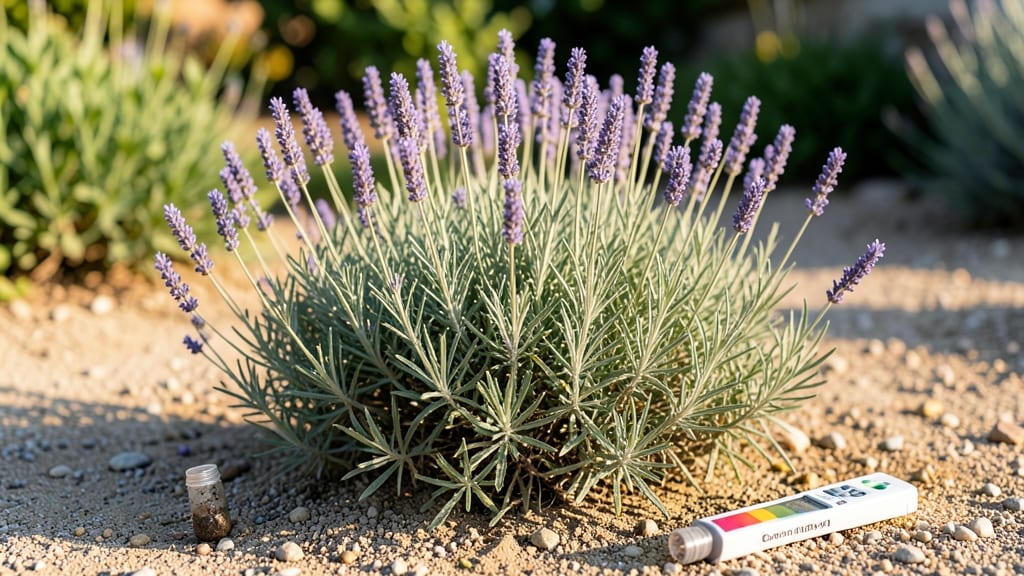
The right lavender soil type makes all the difference between a fragrant, thriving plant and one that wilts in soggy despair.
Picture this: you’ve planted your lavender in rich, garden soil, only to watch it struggle through the summer, leaves yellowing and stems flopping. That’s because lavender isn’t picky—it’s demanding. It needs soil that drains like a desert sandstorm, not a waterlogged swamp.
This Mediterranean herb evolved in rocky, mineral-heavy ground where water races through in minutes. Recreate those conditions, and you’ll unlock vibrant blooms and that signature fragrance. Skip it, and you’ll spend years chasing the perfect plant in the wrong soil.
Below, I’ll break down the exact soil mix lavender craves—60% grit, 30% organic matter, and 10% sand—plus how to fix common mistakes like clay-heavy soil or overwatering. No more guesswork, just lush, happy lavender.
Ideal lavender soil composition: the perfect well-draining mix
Lavender plants are picky about their soil—they demand fast-draining, mineral-rich mixes that prevent soggy roots. Native to the Mediterranean, lavender rejects heavy, moisture-retentive soils like a swamp rejects sunshine.
The perfect blend mimics rocky, gravelly terrain with 60% mineral content, 30% organic matter, and 10% grit to ensure roots stay aerated and water drains freely. Without this balance, your lavender will sulk, wilt, or worse—rot from the inside out.
At its core, lavender soil should feel light as a cloud when moist but still hold enough nutrients to sustain growth. Think of it like baking a cake: too much flour (minerals) makes it dry, too much sugar (organic matter) makes it gummy.
The magic happens when you blend coarse sand, perlite, and composted bark in precise ratios. This isn’t just guesswork—it’s science. Lavender roots need oxygen more than water, and compacted soil suffocates them faster than a winter frost.
Here’s the golden rule: never plant lavender in garden soil straight from the ground unless it’s already a fast-draining loam. Most backyard dirt is too dense, especially if it’s clay-heavy or amended with peat moss (which holds water like a sponge).
Instead, create a custom lavender bed or use raised planters filled with your DIY mix. This isn’t optional—it’s survival for your plants.
🌱
| Soil Component | Purpose | Proportion | Best For |
|---|---|---|---|
| Mineral Content (Sand/Gravel) | Improves drainage, mimics rocky terrain | 60% | All lavender types |
| Organic Matter (Compost/Bark) | Provides nutrients without compacting | 30% | Nutrient-poor soils |
| Grit (Perlite/Pumice) | Prevents compaction, adds aeration | 10% | Clay or dense soils |
| pH Level | Neutral to slightly alkaline | 6.5–7.5 | All lavender varieties |
| Drainage Test | Water should drain in <20 minutes | Critical | Prevents root rot |
For sandy gardens, your soil is already on the right track—just add 30% composted bark and 10% perlite to boost nutrients without clogging drainage. Sandy soil drains too fast on its own, so the organic matter helps retain moisture during dry spells.
Mix 1 part composted bark, 1 part coarse sand, and 1 part perlite for a loose, crumbly texture that lavender will adore.
If your soil is loamy (the gardener’s gold standard), you’re halfway there. Loam drains well but can compact over time. To perfect it, blend equal parts loam, coarse sand, and pumice, then top with a 1-inch layer of gravel.
This keeps roots cool in summer while ensuring water races away from the base. Loamy soil is forgiving, but lavender still needs that gritty texture to thrive long-term.
Clay soil is lavender’s nemesis—it’s heavy, sticky, and holds water like a sponge. To fix it, replace 50% of the clay with a mix of coarse sand, perlite, and composted pine bark. Aim for a 70-30 mineral-to-organic ratio and test drainage by pouring water into a hole. If it pools after 30 minutes, keep adding more grit. Raised beds are your best bet here, as they let you control the soil entirely.
💧
Pro tip: Test your soil’s drainage before planting. Dig a 6-inch hole, fill it with water, and time how long it takes to drain. If it’s slower than 20 minutes, your soil needs more sand or perlite.
Lavender roots should never sit in dampness—root rot is silent but deadly. A well-amended mix will drain in under 10 minutes, giving your plants the dry, airy environment they crave.
Once your soil is dialed in, mulch with gravel (not organic mulch) to keep moisture away from the base. Organic mulches like wood chips break down and compact, defeating the purpose. Gravel mulch stays inert, reflects sunlight, and lets water evaporate quickly.
This simple step can double your lavender’s lifespan by preventing fungal diseases that thrive in damp soil.
☀️
Common soil mistakes that kill lavender (and how to fix them)
Even with the right lavender soil type, subtle mistakes can turn your fragrant plants into sad, wilted shadows. I’ve seen overwatering and compacted soil destroy lavender roots faster than you’d think. The good news? These issues are fixable with simple adjustments to your garden’s foundation.
Lavender’s Mediterranean roots demand well-draining soil—anything less invites root rot and fungal diseases. I’ve learned the hard way that clay-heavy gardens are lavender’s worst enemy unless you take action. Let’s dive into the five fatal soil errors and how to correct them before your lavender gives up.
If your soil feels sticky when wet and forms hard clumps when dry, you’ve got clay soil. Lavender will suffocate here unless you amend it aggressively. Skip the quick fixes—this requires 50% gritty additives like coarse sand or gravel to break the clay’s grip.
First up: overwatering. Lavender’s roots hate soggy conditions, yet I’ve seen gardeners drown them with weekly waterings. The fix? Water deeply but infrequently—once every 10-14 days in summer, less in winter.
Stick your finger 2 inches into the soil; if it’s damp, wait. A drip irrigation system on a timer helps automate this.
Next, compacted soil crushes lavender roots, cutting off oxygen. I’ve revived struggling plants by aerating the soil with a garden fork or tilling tool. For containers, mix in perlite or pumice (20% of the soil volume) to keep it loose.
Compacted soil also signals a need for organic matter—add composted bark or leaf mold to fluff it up.
Poor drainage is another silent killer. If water pools after rain, your lavender’s roots are drowning. Raise beds by 6-12 inches or add a gravel layer at the bottom of containers.
For in-ground planting, create a sand trench (6 inches deep) beneath the root zone. This mimics lavender’s natural rocky Mediterranean soil.
Lastly, high organic matter (like fresh manure) can smother lavender. Stick to aged compost or worm castings—never more than 10% of the soil mix. I’ve seen lavender thrive in a 60-30-10 blend: 60% mineral soil, 30% organic matter, and 10% grit.
Test your soil’s pH too—lavender prefers neutral to slightly alkaline (6.5-7.5).
Fix these soil sins, and your lavender will reward you with vibrant purple blooms and that signature fragrance. Start with one correction—like amending drainage—and watch your plants perk up in weeks. Happy gardening! 🌿