
How To
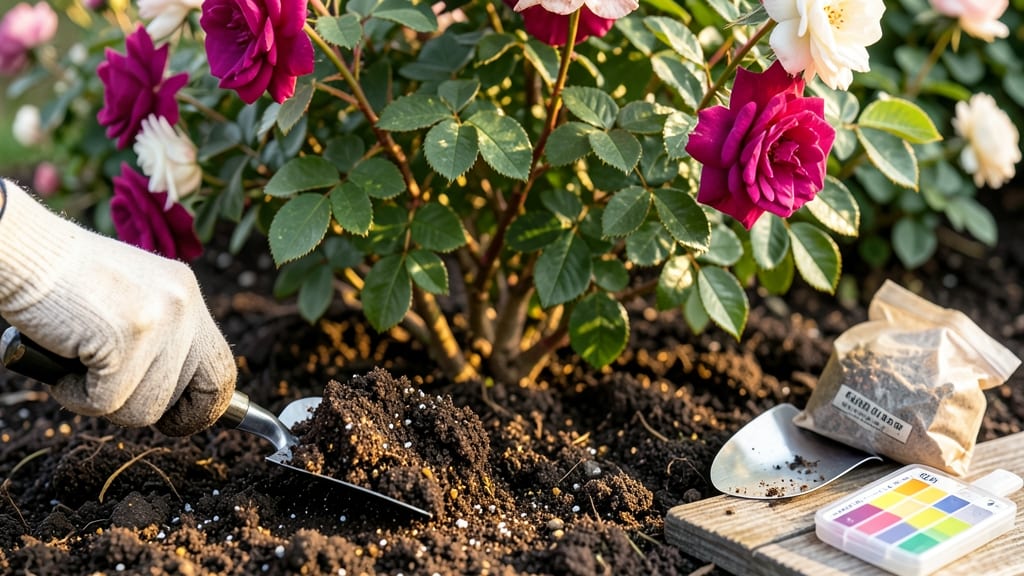
The ideal soil for roses creates a thriving environment with well-draining loam, a slightly acidic pH between 6.0 and 6.5, and rich organic matter like compost to support root health and nutrient absorption.
The perfect mix for roses isn't just dirt—it's a balance of texture, chemistry, and nutrition. Loam's ideal sand-silt-clay ratio (40-40-20%) ensures water drains efficiently while holding enough moisture for roots. 🌱 A pH between 6.0 and 6.5 unlocks essential nutrients like phosphorus and iron, preventing deficiencies that cause yellow leaves.
Organic matter like compost doesn't just feed plants—it creates a lively soil ecosystem where beneficial microbes break down nutrients into forms roses can absorb. For heavy clay or pure sand, I recommend blending in peat moss or perlite to improve structure while maintaining that crucial moisture balance.
💡 In This Article
- Why Loam Soil and pH Matter for Rose Health
- How to Amend Soil for Perfect Rose Gardens
Why loam soil and pH matter for rose health
The magic of loam soil lies in its perfect balance of 40% sand, 40% silt, and 20% clay—a ratio that creates ideal conditions for rose roots. The sand particles provide drainage channels, preventing waterlogging that suffocates roots, while the silt and clay retain moisture and nutrients.
This structure creates tiny air pockets that allow oxygen to reach roots, a critical factor since roses need 10-15% oxygen in their root zone for respiration. Without proper aeration, roots become stressed and vulnerable to diseases like black spot.
pH levels directly control which nutrients roses can access. At pH 6.0-6.5, essential elements like phosphorus (for blooms) and iron (for green leaves) become soluble and available.
Below pH 6.0, aluminum toxicity occurs, causing brown leaf tips, while above pH 7.0, phosphorus becomes locked away, stunting flower production. The soil's microbial activity peaks in this range too—beneficial bacteria convert organic matter into plant-available nitrogen, creating a self-sustaining nutrient cycle. 🌱
Organic matter like compost doesn't just feed roses—it transforms soil structure. Each 1% increase in organic content improves water retention by 10-20%, while also creating a sponge-like texture that prevents compaction. The decomposition process generates heat (up to 140°F in active piles), which sterilizes pathogens and stimulates root growth.
Without this microbial activity, even perfectly balanced loam would lack the biological vitality roses crave.
Consider this: roses grown in pure sand (like coastal gardens) often show stunted growth because nutrients wash away, while clay soils (common in Midwest gardens) become waterlogged, cutting off oxygen. The loam's balanced texture solves both problems—it drains excess water while holding enough moisture for 2-3 days between waterings.
This consistency is why professional rose growers often blend 50% existing soil with 50% compost to achieve the ideal texture.
Here's what happens when you get it wrong: Sandy soils might show wilting even when watered, while clay soils develop a crust that blocks new root growth.
The visual difference is striking—healthy roses in loam have vibrant green leaves and abundant blooms, while stressed plants show yellowing between veins (a classic iron deficiency symptom) or brown, curled leaves from compaction.
The right soil composition makes all the difference in creating that lush, thriving garden you dream of. 🌸