
How To
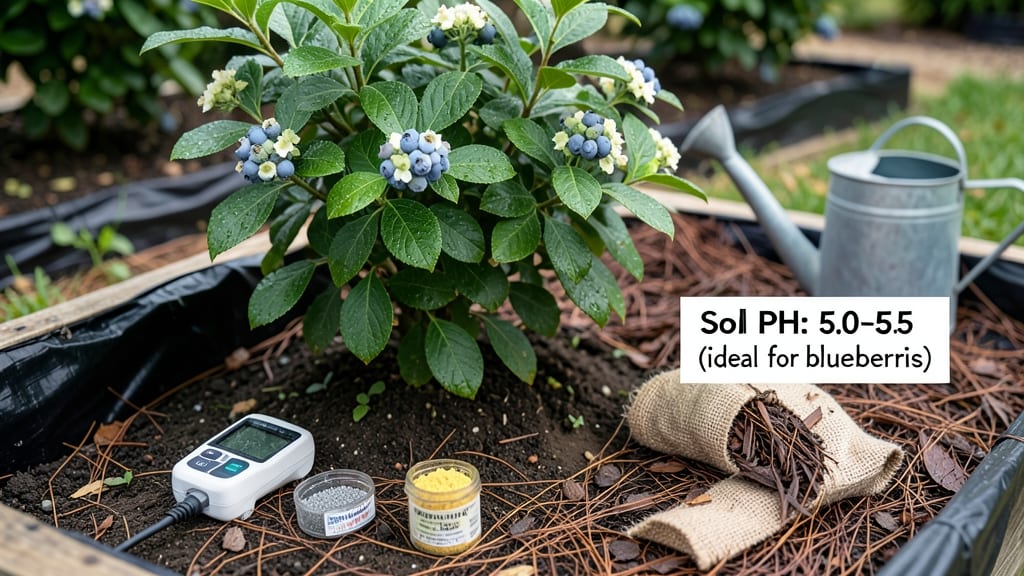
How to make soil slightly acidic unlocks the full potential of acid-loving plants like blueberries and azaleas. 🌱 I learned the hard way—my blueberry bushes just weren’t thriving until I adjusted the soil chemistry with simple organic amendments that work slowly and safely.
The secret lies in two easy-to-find materials: pine needles (naturally acidic as they decompose) and peat moss (which holds acidity well). Spread a 1-inch layer of chopped pine needles around plants in fall, then mix in 2-3 inches of peat moss into the top 6 inches of soil.
For faster results, add a sprinkle of elemental sulfur—just ½ pound per 100 square feet—and water thoroughly.
Within 3-6 months, you’ll see the difference: deeper green foliage, better nutrient uptake, and—most exciting—those luscious blueberries you’ve been dreaming of. The soil stays slightly acidic for years, so this isn’t a one-time fix but a long-term upgrade for your acid-loving garden.
Fair warning: Test your soil first (pH 5.0-6.0 is ideal for most acid-lovers). Overdoing it can harm other plants, so start small and monitor. If results are slow, try adding composted leaves—they’re another natural acidifier that breaks down gently.
📚 In This Guide
- What you need
- Instructions
- Tips and common mistakes
- Wrapping up and next steps
What you need
- ● Pine needles or straw – 1-2 cups per square foot of soil (fresh or dried, but avoid chemically treated ones!)
- ● Peat moss – 1-2 cups per square foot (sphagnum peat works best for acid-loving plants).
- ● Garden gloves – To keep your hands clean and protected.
- ● Garden trowel or shovel – For mixing materials into the top 6 inches of soil.
- ● pH testing kit – A digital or liquid test kit (like Luster Leaf or LaMotte) to monitor progress.
- ● Watering can or hose – For hydrating the soil after mixing.
- ○ Compost or aged manure (optional but helpful) – ½ cup per square foot to boost organic matter.
- ● Wheelbarrow or bucket – For mixing large batches of soil amendments.
- ● Garden fork – If your soil is compacted and needs loosening.
- ● Aluminum sulfate or sulfur granules – 1-2 lbs per 100 sq ft (for faster acidification, but use sparingly!).
- ● Rain cover or tarp – To protect your work area from sudden showers.
Step-by-Step guide to lowering soil pH naturally
Here's how I adjust soil acidity for plants like blueberries and azaleas—without harsh chemicals.
🌱 Step 1: Test Your Current Soil pH
Before making changes, grab a soil pH test kit to measure your current level. Most garden centers sell affordable kits that use color charts or digital meters. I dig a 3-inch deep sample from the root zone of your target plants, remove debris, and test it fresh. If your pH reads 6.5 or higher, you'll need to acidify the soil.
This step is critical because over-acidification can harm plants just as much as insufficient acidity. Blueberries, for example, thrive at 4.5-5.5 pH, while most vegetables prefer 6.0-7.0. Knowing your starting point lets you make precise adjustments instead of guessing.
🪴 Step 2: Mix Pine Needles for Slow Acidification
Spread a 2-inch layer of fresh pine needles over the soil surface and work them into the top 4-6 inches of soil. Pine needles release tannic acid as they decompose, gradually lowering pH over time. I like to use longleaf or slash pine needles—they're more acidic than other varieties. For 4 square feet of garden bed, use about 1 gallon of pine needles.
Don't use pine bark mulch instead—it raises pH over time. Fresh needles work best because they break down quickly, but you can also use dried needles if they're readily available. Water the area thoroughly after spreading to help the needles settle into the soil.
🌿 Step 3: Incorporate Peat Moss for Immediate Adjustment
Work 1-2 inches of sphagnum peat moss into the top 6 inches of soil in the planting area. Peat moss is one of the fastest ways to lower pH because it's naturally acidic, typically measuring around 3.5-4.5 pH. For 4 square feet, you'll need about 2-3 gallons of peat moss.
Mix it thoroughly with your existing soil using a garden fork or tiller. Avoid using peat moss in large quantities—too much can make the soil too acidic and harm plants. If you're amending a raised bed, spread the peat moss evenly and till it in before planting.
💧 Step 4: Apply Elemental Sulfur for Targeted Acidification
Sprinkle 1 pound of elemental sulfur per 100 square feet over the soil surface and lightly scratch it into the top inch. Elemental sulfur is the most reliable way to lower pH because it converts to sulfuric acid in the soil. For a 4 square foot area, use about 0.04 pounds (or 2 tablespoons).
Water the area immediately after applying sulfur to activate the chemical process. It may take 2-3 months for the full effect to occur, so don't expect instant results. Re-test the soil pH after 6-8 weeks to see how much the pH has changed.
⏰ Step 5: Monitor and Maintain Soil pH
Re-test the soil pH every 3-6 months to ensure it stays within your target range. If the pH rises again, repeat the process with pine needles or peat moss. I like to add a ½-inch layer of pine needles annually as mulch to maintain acidity naturally.
For container plants, mix 1 part peat moss with 3 parts potting soil when repotting. This keeps the pH stable without over-acidifying. Avoid using aluminum sulfate—it can cause aluminum toxicity in plants and isn't necessary for slight pH adjustments.
Tips & tricks for perfect soil acidification
Real talk: Getting soil acidity just right takes patience—and avoiding these common pitfalls makes all the difference.
Timing Matters: When you're working pine needles into the top 4-6 inches of soil in Step 2, focus on the uppermost 2-3 inches where most plant roots thrive. This concentrated layer ensures the tannic acid works where it counts. I've seen gardeners bury needles too deep, which delays acidification for months. Think of it like applying fertilizer—surface application gives faster results.
Peat Moss Precision: In Step 3, resist the urge to use more than the recommended 1-2 inches of peat moss. While it's tempting to "just add more" for faster results, exceeding this can create a pH shock that harms delicate root systems. I learned this the hard way with my blueberry bushes—too much peat moss in one go sent the pH plummeting to 3.8, which stunted growth. Stick to the 1:3 peat-to-soil ratio for containers to avoid this.
Elemental Sulfur Strategy: For Step 4, apply elemental sulfur on a dry day when rain isn't forecasted for 24 hours. The sulfur needs time to react with soil moisture to form sulfuric acid. I've had mixed results when applying right before heavy rain—half the sulfur just washed away before it could work. Think of it like timing a chemical reaction: you want optimal conditions for the transformation to occur.
Monitoring Hack: Instead of waiting the full 6-8 weeks to re-test pH after sulfur application, I check at 4 weeks by testing a fresh sample from the same depth. This gives you an early read on whether you need to adjust further. Just be aware that the pH might drop another 0.5 points by the 8-week mark, so don't overcorrect based on early results.
Pro Tips for Make Soil Slightly Acidic
- Real talk: Getting soil acidity just right takes patience—and avoiding these common pitfalls makes all the difference.
- Timing Matters: When you're working pine needles into the top 4-6 inches of soil in Step 2, focus on the uppermost 2-3 inches where most plant roots thrive.
- Peat Moss Precision: In Step 3, resist the urge to use more than the recommended 1-2 inches of peat moss.
Frequently asked questions
Got questions about adjusting your soil’s pH? You’re not alone! Here are some of the most common concerns—and straightforward answers—to help you tweak your soil like a pro.
How quickly will my soil become slightly acidic after adding pine needles or peat?
Results vary, but you’ll typically see a noticeable shift in soil pH within 2–4 weeks after mixing in organic amendments. For faster changes, use finely ground pine needles or peat moss and re-test your soil every 2–3 weeks. Patience pays off—rushing can lead to over-acidification!
What if my soil gets too acidic (pH below 5.5)? Can I fix it?
Yes! If your soil becomes too acidic, add lime (calcium carbonate) or wood ash to raise the pH. Start with a small amount (1–2 lbs per 100 sq ft), mix it in, and test again in 4–6 weeks. Avoid overdoing it—gradual adjustments prevent shocking plant roots.
Are there alternatives to pine needles or peat moss for acidifying soil?
Try these natural options:
- Coffee grounds (adds acidity + nutrients)
- Composted leaves (mild acidifier, great for mulch)
- Alum (potassium aluminum sulfate) (fast-acting, use sparingly)
- Vinegar or lemon juice (short-term fix for small areas—rinse excess)
Will acidifying soil harm my plants? What signs should I watch for?
Most plants thrive in slightly acidic soil (pH 5.5–6.5), but over-acidification can stress them. Watch for:
- Yellowing leaves (chlorosis)
- Stunted growth
- Poor flowering/fruiting
How often should I check my soil’s pH after making changes?
Check your soil’s pH every 2–3 months if you’re actively amending it. For established gardens, once a year (spring or fall) is ideal. Soil pH can drift naturally, so regular testing keeps your plants happy without guesswork.
Wrapping up and next steps
Making your soil slightly acidic doesn’t have to be complicated—just a few simple steps can transform your garden into a thriving haven for acid-loving plants! 🌱 Whether you’re nurturing blueberries, azaleas, or rhododendrons, a pine needle and peat moss mix is your secret weapon.
Start small, test your soil, and watch your plants flourish.
Ready to take the next step? Monitor your soil’s pH regularly and adjust as needed—your green thumb is about to get even greener! 🌟