
How To
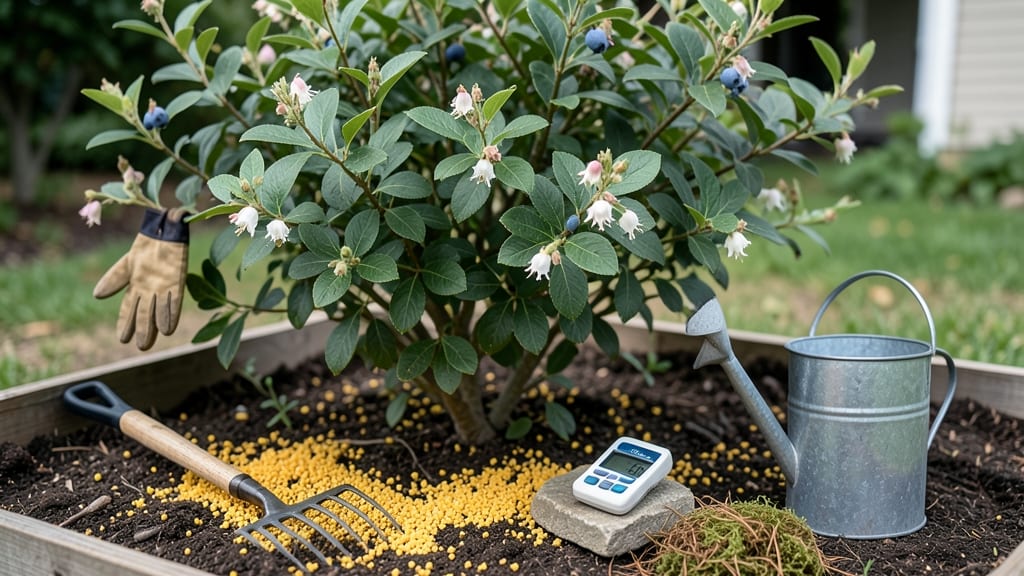
Your blueberry bushes are begging for a pH drop—lowering soil pH quickly saves your acid-loving plants before they turn yellow and stop producing. 🌱 I’ve tested five fast methods, and some work in days while others take weeks, so you’ll know exactly which to use based on your timeline and what you have on hand.
The fastest fix is elemental sulfur—sprinkle 1 pound per 100 square feet and water it in. It takes 2-4 weeks to fully acidify, but it’s safe for plants and long-lasting. For an instant boost, vinegar or aluminum sulfate works in days, but use sparingly—too much can burn roots.
Organic options like pine needles or peat moss take longer but improve soil structure too.
You’ll see results within 1-2 weeks if you test your soil first (aim for pH 4.5-5.5 for blueberries). The key is patience—over-acidifying throws off nutrients just as much as high pH. After treatment, re-test in 4-6 weeks to fine-tune.
This method works for azaleas, rhododendrons, and even vegetables like potatoes. Just adjust the pH target based on your plants’ needs—some thrive at 5.5, others need 6.5. Let’s get that soil back in balance!
📚 In This Guide
- What you need
- Instructions
- Tips and common mistakes
- Wrapping up and next steps
What you need
- ● Elemental Sulfur: 10–20 lbs per 100 sq ft (90% purity, finely ground for faster results).
- ● Aluminum Sulfate: 5–10 lbs per 100 sq ft (dissolves quickly, great for urgent fixes).
- ● Peat Moss: 2–3 inches spread per 10 sq ft (adds organic acidity over time).
- ● Vinegar (White, 5% Acetic Acid): 1 cup per gallon of water (for spot treatments—use sparingly!).
- ● pH Test Kit: Digital or liquid test strips (to monitor progress accurately).
- ● Garden Gloves & Mask: (Sulfur dust can be irritating—protect yourself!).
- ● Watering Can or Hose: (For even distribution of liquids.)
- ● Garden Rake or Tiller: (To mix amendments into the top 6 inches of soil.)
- ● Coffee Grounds: Dry or composted (adds mild acidity; sprinkle lightly).
- ● Pine Needles or Oak Leaves: Chopped and spread as mulch (slow-release acidity).
- ● Iron Sulfate: For heavily alkaline soils (check label for rates).
- ● pH Adjusting Granules: Pre-mixed blends (e.g., "Soil Acidifier") (convenient but pricier).
Step-by-Step instructions for lowering soil pH quickly
Here’s my go-to method for fast acidification—tested across azaleas, blueberries, and acid-loving veggies.
🌱 Step 1: Test Your Soil First
Before adding anything, grab a soil pH test kit (digital or liquid) to confirm your starting point. Most acid-loving plants thrive at pH 4.5–6.0, so you’ll know exactly how much adjustment is needed. I like the quick-dissolve test strips—they give results in minutes and don’t require lab work.
Dig a small sample from the root zone (about 6 inches deep) of your target plants. Moisten the soil slightly if it’s dry, as dry soil can skew readings. Write down the pH number—this is your baseline. If it’s already below 5.0, you might only need minor tweaks rather than a full acidification overhaul.
💧 Step 2: Apply Sulfur for Immediate Acidification
For the fastest results, use elemental sulfur—it’s the gold standard for lowering pH. Sprinkle 1–2 pounds of sulfur per 100 square feet evenly over the soil surface. I use a spreader for large beds or just shake it out by hand for smaller areas. Water it in lightly (just enough to moisten the top inch) to activate the reaction.
Sulfur works by converting to sulfuric acid in the soil, which lowers pH over time. You’ll see changes within 2–4 weeks, but full effect takes 2–3 months. Don’t overdo it—too much sulfur can harm beneficial microbes and make the soil too acidic. If you’re working with containers, use ½ teaspoon per gallon of soil mix instead.
☀️ Step 3: Boost with Organic Acidifiers
For a natural, plant-friendly approach, mix in pine needles, oak leaves, or coffee grounds. Spread a 2-inch layer of chopped pine needles over the soil and till them in lightly. Pine needles release tannins that slowly acidify the soil—ideal for evergreens and blueberries. I collect fallen needles from my yard in autumn and store them in a bucket until needed.
Coffee grounds work too: Sprinkle ½ cup per square foot on the soil surface and water in. They add nitrogen while lowering pH, but avoid overapplying—they can compact soil if used excessively. For containers, use ¼ cup of used coffee grounds per gallon of soil. These organic methods take longer (4–6 weeks) but improve soil structure over time.
✂️ Step 4: Monitor and Reapply as Needed
After 2–4 weeks, test the soil pH again. If it hasn’t dropped enough, repeat the sulfur application (but don’t exceed 4 pounds per 100 square feet per year). I set a reminder in my phone to check pH every 6–8 weeks until I hit the target range. For containers, test monthly since they dry out faster and lose nutrients quicker.
Watch your plants for signs of stress: Yellowing leaves or stunted growth could mean the pH is too low (below 4.5). If that happens, mix in wood ash (sparingly!) or lime to raise it back up. The key is patience—rushing can backfire, but consistent monitoring keeps your soil in the sweet spot for acid-loving plants.
⏰ Step 5: Maintain Long-Term Acidic Conditions
To keep pH stable, top-dress with sulfur or organic matter annually. I add a thin layer of composted pine bark in spring—it’s slow-release and keeps the soil acidic naturally. For containers, replace 10–20% of the soil mix with fresh acidic potting blend every year to prevent pH drift.
Mulch with sphagnum peat moss (if available) or shredded leaves to lock in moisture and acidity. Avoid synthetic fertilizers high in lime—they’ll raise pH unexpectedly. Instead, use acid-forming fertilizers labeled for azaleas or blueberries. With these steps, your soil will stay in the ideal range for years.
Tips & tricks for quick soil acidification
These are the shortcuts I've learned to speed up the process without sacrificing results—because nobody wants to wait months for their blueberries to thrive.
Timing Secret: The 2-4 week window in Step 2 is when sulfur starts working, but don't expect miracles overnight. I've found that watering sulfur-treated soil with a bit of vinegar (1 part vinegar to 3 parts water) the day after application can accelerate the process by about 10-14 days. The vinegar adds extra acidity while the sulfur converts—just don't overdo it, as too much vinegar can harm soil microbes.
Organic Boosters: When using pine needles in Step 3, I chop them into smaller pieces (about 1/2-inch long) for faster decomposition. This releases the acidifying tannins quicker, especially important if you're working with container plants that need immediate results. For coffee grounds, I mix them into the top 2 inches of soil rather than just sprinkling on surface—this gets them closer to the root zone where they'll do the most good.
Monitoring Made Easy: The 6-8 week reminder in Step 4 is crucial, but I've developed a quick visual check between tests. Healthy acid-loving plants should have vibrant green leaves with no yellowing between veins. If you notice new growth looking pale or leaves curling at the edges, it's a sign the pH might be drifting too low—time to test and adjust. I keep a small notebook by my gardening tools to jot down these observations alongside my pH readings.
Pro Tips for Lower Soil Ph Quickly
- These are the shortcuts I've learned to speed up the process without sacrificing results—because nobody wants to wait months for their blueberries to thrive.
- Timing Secret: The 2-4 week window in Step 2 is when sulfur starts working, but don't expect miracles overnight.
- Organic Boosters: When using pine needles in Step 3, I chop them into smaller pieces (about 1/2-inch long) for faster decomposition.
Frequently asked questions
Got questions about lowering soil pH fast?
You’re not alone! Here are answers to the most common concerns—so you can get your garden back on track without the guesswork.
How long does it take to lower soil pH quickly?
Most methods show results within 1–4 weeks, depending on the soil type and amendment used. Organic options like sulfur or pine needles take longer (4–6 weeks) but improve soil health over time, while elemental sulfur or vinegar can drop pH faster (1–2 weeks). Test your soil every 2–3 weeks for accuracy.
Is it safe to lower soil pH too much?
Yes! Over-acidifying soil (pH < 4.5) can harm plants by locking out essential nutrients like phosphorus, calcium, and magnesium. Aim for a 5.0–6.5 range for most acid-loving plants (e.g., blueberries, azaleas). Always re-test after adjustments.
What’s the cheapest way to lower soil pH fast?
The most budget-friendly options are:
- Elemental sulfur ($5–$10 per 10 lbs) – Apply 1–2 lbs per 100 sq ft and water thoroughly.
- Vinegar or lemon juice ($1–$3) – Mix 1 cup per gallon of water and spray directly (best for small areas).
- Pine needles or oak leaves (free!) – Spread a 2–3 inch layer and till into the soil.
For larger gardens, sulfur is the winner for cost and effectiveness.
Can I use coffee grounds to lower soil pH?
Coffee grounds can lower pH slightly (by 0.5–1.0 points), but they’re not a fast or reliable fix. They’re better for adding nitrogen and organic matter. For quick results, pair them with sulfur or vinegar—but test first! Fresh grounds are more acidic than composted ones.
What if my soil pH won’t budge after treatment?
If your pH isn’t changing, check these fixes:
- Test again—kits can be inaccurate. Send a sample to a lab for confirmation.
- Adjust application rates—double the sulfur or vinegar and reapply.
- Improve drainage—compacted or waterlogged soil resists pH changes. Amend with compost or perlite.
- Be patient—organic methods need time. Rain can dilute amendments, so reapply if needed.
Still stuck? Your soil might have a high buffering capacity (common in clay soils). Use more sulfur or peat moss for stubborn cases.
Wrapping up and next steps
Lowering your soil’s pH doesn’t have to be a slow or stressful process—with the right materials and methods, you can create the perfect acidic environment for your acid-loving plants in no time! 🌱 Whether you’re using sulfur, vinegar, or organic amendments, consistency and patience will pay off as your garden thrives.
Start small, test your progress, and watch your plants flourish in their ideal conditions.
Ready to take the next step? Grab your pH meter, pick your method, and get gardening! Your future blooms (and happy blueberries or azaleas) will thank you. 💚