
How To
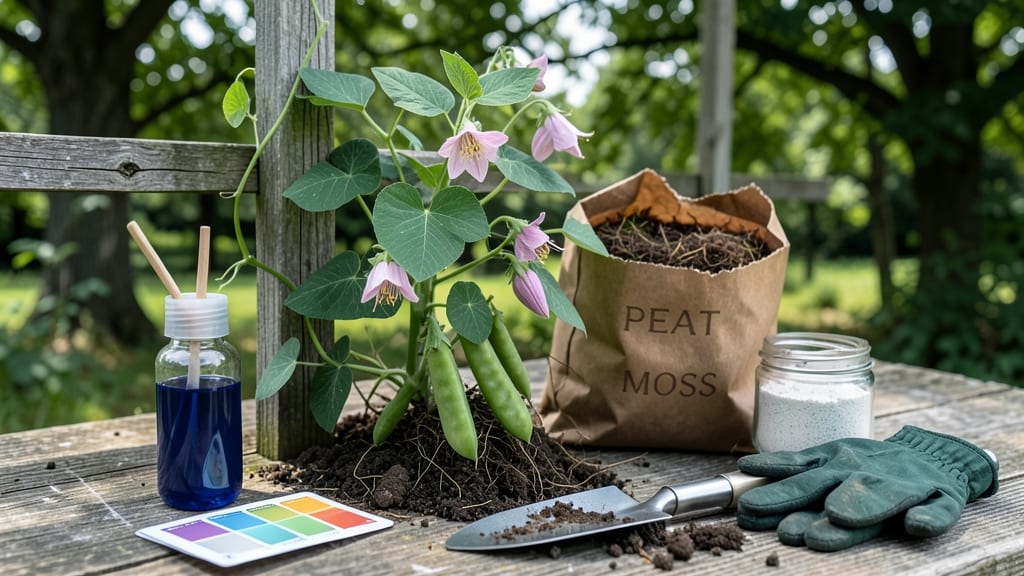
Peat moss makes soil acidic by lowering pH levels between 3.0 and 4.5, creating an ideal environment for acid-loving plants like blueberries and azaleas while inhibiting nutrient uptake in others. It achieves this through high organic acid content and slow decomposition rates.
Peat moss works like nature's acidifier because it's made up of partially decomposed plant material that releases organic acids—like humic and fulvic acids—into the soil. 🔥 These acids actively reduce pH levels over time, which is why gardeners often mix it into soil to create the perfect conditions for plants that crave acidic environments.
The magic happens because peat moss holds onto nutrients differently than regular soil, keeping them available to acid-loving plants while making them less accessible to others.
What's fascinating is how peat moss maintains its acidity even as it breaks down.
Unlike quick-acting amendments, peat moss releases its acidic properties gradually, giving you long-term control over your soil's pH. This makes it particularly useful for container gardening or when you're growing plants that are sensitive to even slight pH changes.
However, it's worth noting that peat moss isn't the only game in town—other organic materials like pine needles or pine bark can also acidify soil, though they work through slightly different mechanisms.
💡 In This Article
- How Peat Moss Lowers Soil pH: Science Behind Acidification
- Best Plants for Peat Moss Soil and When to Avoid It
How peat moss lowers soil pH: science behind acidification
Peat moss creates acidity primarily through its high concentration of organic acids—specifically humic and fulvic acids—that form during the slow decomposition of sphagnum moss. These compounds have a natural pH of around 3.0-4.5 when fresh, and as they break down, they release hydrogen ions (H+) into the soil solution.
The process is similar to how vinegar (acetic acid) lowers pH in cooking, but peat moss does it gradually over months or years rather than instantly.
The acidification effect becomes even more powerful due to peat moss's unique cation exchange capacity (CEC).
Unlike regular soil, peat moss holds onto positively charged ions (like aluminum and hydrogen) more tightly, which further reduces the soil's pH. This is why a 20-30% peat moss mix can drop garden soil pH by 1-2 points within a season—a dramatic shift for plants.
For comparison, pine bark (another acidic amendment) typically lowers pH by only 0.5-1.0 points at the same volume.
What makes peat moss different from other amendments is its partially decomposed state. Unlike compost or manure, peat moss hasn't fully broken down, so its acidic properties persist longer.
When you add it to soil, the remaining plant fibers create tiny air pockets that slow microbial activity—meaning the acid-producing decomposition happens at a controlled pace.
This gradual release is why peat moss is ideal for long-term pH management in containers or raised beds, where you can't easily amend soil later.
However, the acidification isn't permanent. Over 3-5 years, peat moss eventually decomposes completely, losing its acidic punch. That's why gardeners often replenish it every few seasons.
The decomposition also releases nutrients like nitrogen and phosphorus, but these benefits come with a trade-off: the soil pH will naturally drift back toward neutral (7.0) without regular peat moss additions. This is why some gardeners combine peat moss with sulfur for extra insurance against pH creep.
Here's what happens chemically: The organic acids in peat moss donate protons (H+) to the soil solution, which reacts with minerals like calcium carbonate (limestone) to form soluble salts. This reaction consumes the alkaline minerals, pushing the pH lower.
For example, if your soil starts at 6.5, adding 1 part peat moss to 2 parts soil might bring it down to 5.5-6.0—just right for blueberries but too acidic for tomatoes. The key is monitoring with a soil test kit to avoid overshooting your target pH.
The texture of peat moss also plays a role. Its fibrous, spongy structure creates a loose, airy medium that holds moisture while allowing oxygen to reach roots. This environment encourages the growth of beneficial microbes that thrive in acidic conditions, further reinforcing the pH shift.
You'll notice the soil feels lighter and almost springy when moist—a far cry from dense clay or sandy loam. This physical property makes peat moss especially valuable for amending heavy soils that naturally resist pH changes.