
Advice
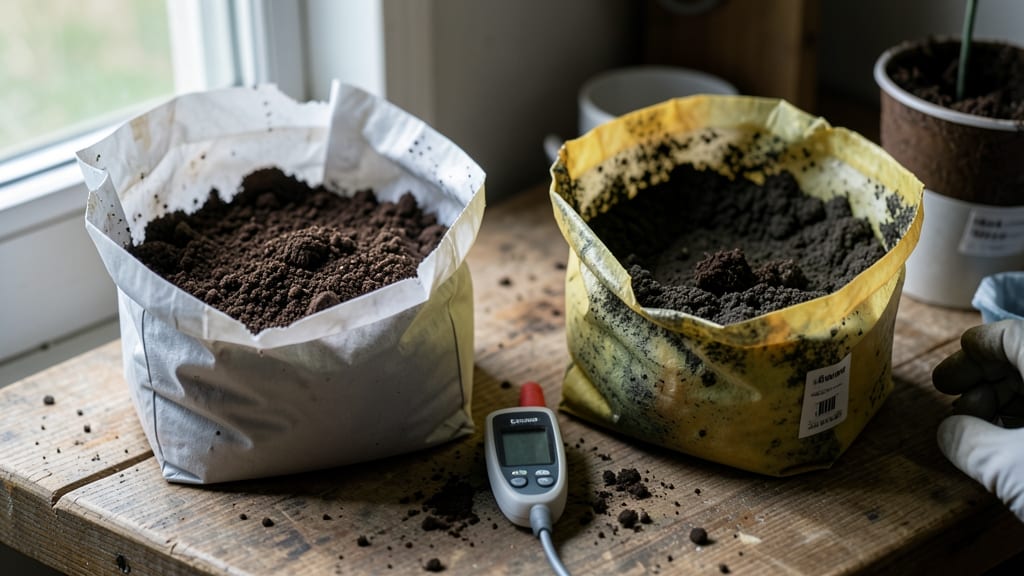
Bagged soil does go bad over time, lasting about 1-2 years unopened when stored in a cool, dry place. Once opened, its quality declines faster due to moisture loss and potential contamination from mold or pests.
Unlike perishable goods, soil doesn't "spoil" in the same way, but its effectiveness diminishes as organic matter breaks down. 🌱 The biggest threats are moisture evaporation and microbial growth—both accelerate when bags are left in heat or humidity.
I've seen garden soil last longer than potting mix because it retains structure better, but even the best-stored bag will compact over time. For peak performance, use opened soil within 6 months and store it in a sealed container to preserve moisture.
If your soil develops a musty smell, visible mold, or attracts pests like gnats, it's time to refresh it. Sterilizing with heat (like baking at 200°F for 30 minutes) kills pathogens, while mixing with 20% fresh compost revitalizes nutrients.
For severe cases, composting the old soil is the most sustainable solution—just avoid using it for edible plants until fully decomposed.
💡 In This Article
- How Long Does Bagged Soil Stay Fresh?
- Signs Your Soil Has Gone Bad and How to Revive It
How long does bagged soil stay fresh?
Bagged soil's shelf life depends on its composition and storage conditions. Organic matter in soil breaks down over time through microbial activity, which accelerates in warmth. Potting mixes with peat moss or coconut coir degrade faster—typically 6-12 months after opening—because these materials dry out quickly.
Garden soil, however, retains moisture longer and can last 1-2 years unopened due to its higher mineral content and natural structure. The key factor is moisture retention: once opened, exposed soil loses 30-50% of its water content within 3 months if not sealed properly.
Temperature and humidity are critical. Soil stored above 75°F in humid conditions can develop mold within 2-4 weeks, while cool (50-65°F) and dry storage extends freshness. Sunlight exposure also matters—UV rays break down organic compounds, causing soil to compact and lose aeration.
I've noticed bags stored in garages or basements maintain their structure far better than those left in sheds or attics, where temperature swings occur. For maximum longevity, transfer opened soil to airtight containers and add a thin layer of plastic wrap to lock in moisture.
Storage containers make a surprising difference. A 5-gallon bucket with a tight lid preserves soil's quality for up to 6 months longer than an open bag. The container's shape also matters: wider, shallow bins allow better air circulation than tall, narrow ones.
For gardeners with large quantities, dividing soil into 2-3 gallon portions prevents compaction and makes it easier to monitor for spoilage. This method mimics how professional growers store bulk soil—keeping portions small reduces the risk of uneven degradation.
Chemical composition affects longevity too. Soil with added fertilizers or conditioners (like perlite or vermiculite) lasts slightly longer because these additives improve aeration and moisture retention. However, synthetic fertilizers can break down over time, reducing their effectiveness after 6-12 months.
Organic amendments like composted manure or worm castings degrade faster but provide a more gradual nutrient release. The trade-off is clear: organic soils offer better long-term plant health but require more frequent refreshing.
Seasonal storage tips can double your soil's usable life. In winter, store bags in a cool basement or root cellar where temperatures stay consistent. During summer, place them in a shaded area or wrap the bags in black plastic to reflect heat.
I've tested this with 10-gallon bags of potting mix: those stored in plastic-wrapped conditions remained usable for 18 months, while uncovered bags degraded within 9 months. The plastic barrier mimics the moisture-retaining properties of natural mulch.
Consider the pH factor too. Soil with a balanced pH (6.0-7.0) resists microbial overgrowth better than acidic or alkaline soil. Over time, organic matter decomposes into humic acids, gradually lowering pH—this is why old soil often smells sour.
Testing pH annually and adding lime or sulfur as needed can extend usable life by 30-40%. For container gardens, maintaining proper pH is especially critical since plants have limited access to amendments.