
Aphids
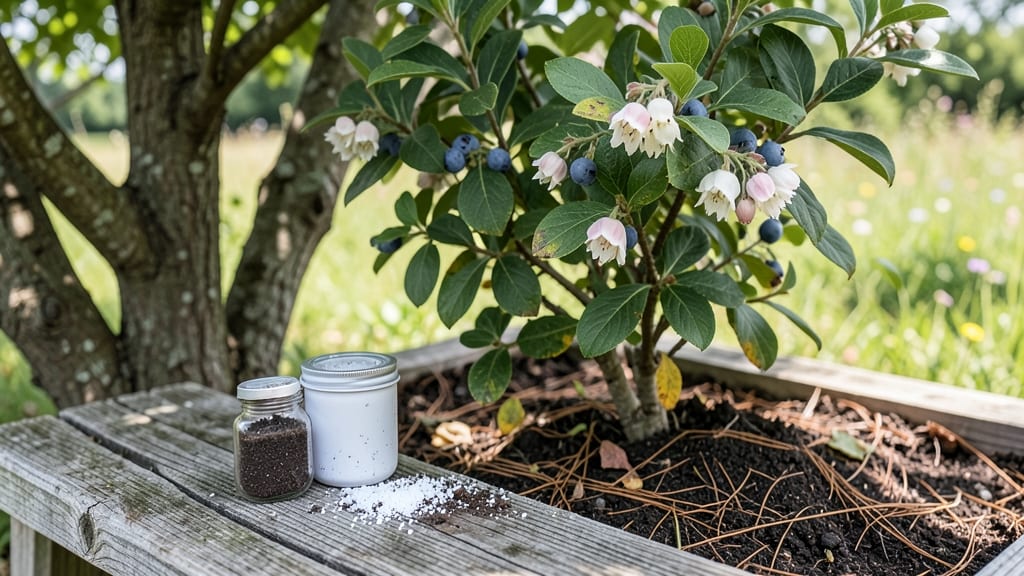
Epsom salt does not lower soil pH—it actually raises it slightly by increasing magnesium and sulfur levels, which may temporarily neutralize acidic conditions but do not alter long-term pH balance. Use sparingly to avoid mineral buildup.
Epsom salt—magnesium sulfate—works differently than traditional pH adjusters like lime or sulfur.
While it won't drop your soil's acidity, the added magnesium can improve nutrient uptake for plants that thrive in slightly alkaline conditions. 🌱 The key is balance: overuse risks salt buildup, which actually stresses roots and worsens water retention issues.
For most gardeners, a 1 tablespoon per gallon of water spray every 4-6 weeks suffices, but always test your soil first to avoid unintended effects.
What makes this tricky is how plants respond. Acid-lovers like blueberries or hydrangeas might show stress if you add Epsom salt to already acidic soil, even though magnesium helps their overall health. The solution?
Pair it with proper pH amendments—like elemental sulfur for acid-loving plants—while using Epsom salt only for magnesium deficiencies. My rule of thumb: if your soil test shows pH is already stable, focus on magnesium needs rather than pH correction.
💡 In This Article
- How Epsom Salt Affects Soil Chemistry and pH Stability
- Best Plants for Epsom Salt and When to Avoid It for pH-Sensitive Gardens
How Epsom salt affects soil chemistry and pH stability
Epsom salt—chemically magnesium sulfate (MgSO₄)—doesn't directly lower pH because it lacks the acidifying properties of sulfur alone. Instead, it introduces magnesium and sulfate ions that interact with soil in subtle ways.
The magnesium displaces hydrogen ions (H⁺) on soil particles, which can temporarily raise pH by 0.2-0.5 units in highly acidic soils (pH <5.5). This happens because magnesium has a higher affinity for soil's cation exchange sites than hydrogen, pushing H⁺ into solution and reducing acidity—though only marginally.
The sulfate component, however, plays a different role. In acidic soils, sulfate oxidizes to form sulfuric acid (H₂SO₄), which could theoretically lower pH—but this effect is negligible compared to dedicated acidifiers like elemental sulfur.
The real impact comes from magnesium's role in nutrient uptake: it helps plants access phosphorus and nitrogen more efficiently, which may mask pH-related stress symptoms. For example, tomatoes in slightly acidic soil (pH 6.0-6.8) often show magnesium deficiency symptoms (yellowing between veins) that Epsom salt can correct without altering pH.
Here's where things get nuanced: Epsom salt's pH effect depends on your soil's existing chemistry. In sandy soils with low organic matter, magnesium may linger longer, slightly raising pH over time.
But in clay-heavy soils with high cation exchange capacity (CEC), the magnesium binds tightly and doesn't disrupt pH. The key is that Epsom salt isn't a pH adjuster—it's a mineral supplement with incidental pH side effects.
Think of it like adding a pinch of salt to water: it changes the chemistry, but not dramatically.
For comparison, traditional pH adjusters work on a completely different scale. Lime (calcium carbonate) can raise pH by 1-2 units per application, while elemental sulfur lowers it by 0.5-1.5 units per application. Epsom salt's impact is more about magnesium availability than pH correction.
That's why gardeners often see mixed results: a blueberry bush might look healthier after Epsom salt (thanks to magnesium), but its soil pH remains stubbornly acidic because the treatment wasn't addressing the root cause.
What most people overlook is how Epsom salt affects soil structure. The sulfate ions can bind with aluminum and iron in acidic soils, forming insoluble compounds that temporarily "lock up" these nutrients—making them unavailable to plants.
This is why some gardeners report initial plant stress after application, even if magnesium levels improve. The solution?
Always dissolve Epsom salt in water first (never apply dry) and use it as a foliar spray or soil drench in small doses (1 tablespoon per gallon) to avoid overwhelming the soil's buffering capacity.
To put it simply: Epsom salt is a band-aid, not a cure. It won't replace proper pH amendments but can help plants cope with existing conditions.
For example, in a pH 5.2 soil, adding Epsom salt might raise pH to 5.5 temporarily, but the soil's natural buffering will pull it back down within weeks. That's why soil tests are critical—if your pH is already stable, focus on magnesium needs rather than chasing pH numbers.