
Neem Oil
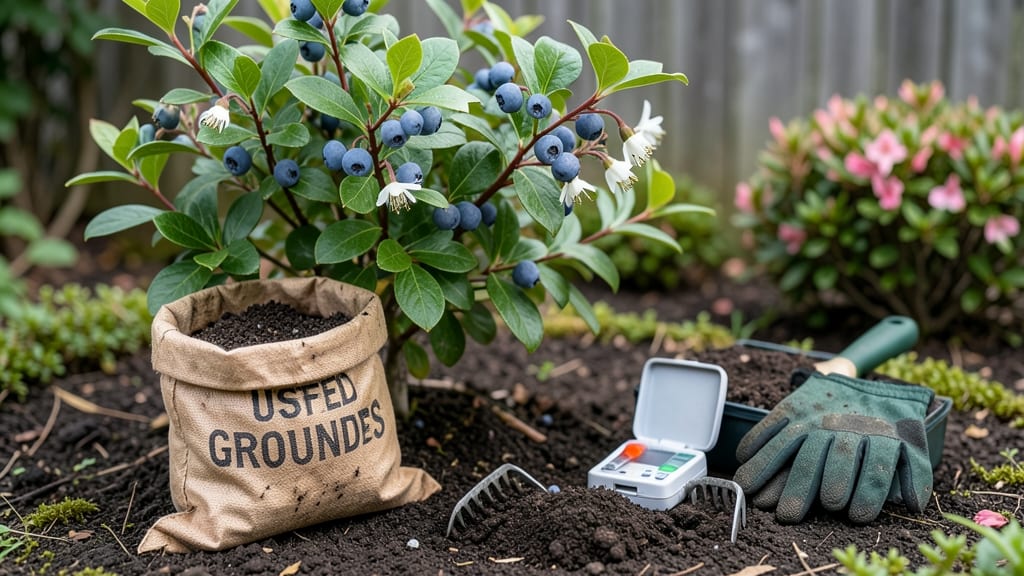
Yes, coffee grounds make soil acidic by lowering pH levels, typically dropping the range between 6.2 and 6.8—ideal for acid-loving plants like blueberries, azaleas, and rhododendrons, but avoid overuse to prevent over-acidification or nitrogen imbalance.
Coffee grounds work their magic through natural organic acids like chlorogenic and caffeic acid, which break down during decomposition and release hydrogen ions into the soil. 🌱 These compounds create a slow-release acidification effect, making them a popular organic amendment for gardeners.
The key is balance—while they’re fantastic for acid-loving plants, overapplying them can disrupt microbial ecosystems or create nitrogen spikes that burn plant roots. I’ve found that mixing them into compost piles first allows for better decomposition control before adding them to garden beds.
For best results, use 1-2 cups per plant every few months, especially around acid-loving shrubs. Spread them thinly on the soil surface and lightly scratch them in, or work them into the top 2-3 inches of soil.
Always pair them with other organic matter like wood chips or leaf mold to maintain proper aeration and prevent compaction.
💡 In This Article
- How Coffee Grounds Affect Soil pH Chemistry
- Best Practices for Using Coffee Grounds in Gardens
How coffee grounds affect soil pH chemistry
The acidity in coffee grounds comes from two key organic compounds: chlorogenic acid (about 5-10% of dry coffee grounds by weight) and caffeic acid, both of which act as weak acids when broken down in soil.
When you add fresh or used grounds, these compounds begin decomposing through microbial action, releasing hydrogen ions (H+) that lower the soil's pH. This process is gradual—typically taking 4-8 weeks for full acidification effects to stabilize, depending on soil temperature and moisture.
Particle size plays a crucial role in how quickly this acidification occurs. Finely ground coffee breaks down faster, releasing acids within 2-4 weeks, while coarser grounds may take up to 3 months to fully decompose.
The decomposition process also temporarily boosts nitrogen levels (up to 2% nitrogen content by weight), which can benefit plant growth but may cause nitrogen burn if applied in excess. 🌱 This dual effect—acidity plus nitrogen—makes coffee grounds unique compared to other organic amendments like wood ash, which raises pH.
What most gardeners don't realize is that coffee grounds don't create a permanent acid environment. The pH-lowering effect diminishes over time as the organic acids are consumed by soil microbes or leached away by rain.
This is why regular applications (every 3-6 months) are needed to maintain optimal acidity levels for plants like blueberries, which thrive in pH 4.5-5.5 ranges. The microbial activity also generates heat during decomposition, which can help break down tougher organic matter in the soil.
For comparison, here's how coffee grounds stack up against other common soil amendments:
- Coffee grounds: pH drop of 0.5-1.5 units over 4-8 weeks (temporary effect)
- Wood ash: pH increase of 1.0-2.0 units (permanent unless leached)
- Vinegar (1:10 dilution):strong> pH drop of 0.3-0.8 units (immediate but short-lived)
The ideal application method depends on your plant's needs. For acid-loving plants, mix 1 cup of used coffee grounds per 10 square feet into the top 2-3 inches of soil annually.
This amount provides enough acidification without overwhelming the soil's microbial ecosystem. The key is consistency—regular small doses work better than occasional large applications, which can disrupt soil biology. 💫
One advanced technique is to create a "coffee compost tea" by steeping used grounds in water for 24-48 hours, then straining and diluting the liquid before applying. This method delivers the acids in a more controlled way while also providing beneficial microbes.
The tea typically has a pH of 4.5-5.5, perfect for foliar sprays on acid-loving plants during their growing season.