
Blooming
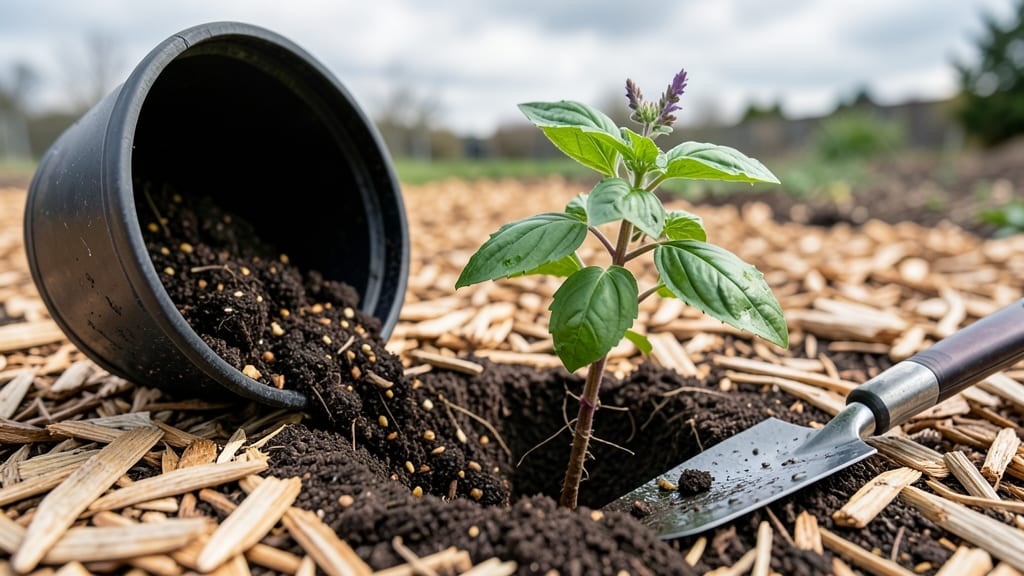
You shouldn’t put potting soil directly in the ground, as it can suffocate roots with poor drainage, trap excess moisture, and introduce pests or pathogens that thrive in container mixes but not in outdoor soil ecosystems. Instead, blend it with native soil in controlled proportions or use it sparingly to improve specific garden areas.
Potting soil is designed for containers, where it needs to retain moisture and nutrients while allowing quick drainage. 🌱 When dumped into garden beds, its lightweight composition—often packed with peat moss, perlite, and fertilizers—creates a compacted layer that blocks oxygen flow to roots.
This mismatch can lead to soggy soil, fungal growth, or even plant death. The microbial communities in garden soil also differ dramatically from those in potting mixes, which can disrupt your plants' natural balance.
For best results, I recommend mixing potting soil with native soil at a 1:3 ratio (1 part potting soil to 3 parts garden soil) when amending poor beds. This maintains drainage while providing a gentle nutrient boost.
Another smart approach is using potting soil as a top-dressing for mulch or seed-starting areas, where its moisture-retention benefits shine without long-term risks. Always test your soil first—if it’s already rich, you might not need any amendments at all.
💡 In This Article
- Why Potting Soil Fails in Garden Beds
- How to Safely Amend Garden Soil with Potting Mix
Why potting soil fails in garden beds
The core issue with using potting soil in garden beds lies in its formulation designed for containers, not open ground. Most potting mixes contain 40-60% peat moss or coconut coir, which holds water like a sponge, combined with 10-20% perlite or vermiculite for aeration.
This creates a texture that's ideal for pots where water drains quickly from the bottom, but in garden soil, this same mix can create a waterlogged layer that suffocates roots by blocking oxygen flow. 🌱
Native garden soil, on the other hand, develops over years with a natural balance of sand, silt, clay, and organic matter that creates air pockets for root respiration. When you add potting soil, its lightweight particles fill these voids, reducing porosity by up to 30% in some cases.
This compaction forces roots to struggle for oxygen, leading to conditions perfect for root rot fungi like Phytophthora. The microbial communities also shift dramatically—potting soil often contains beneficial fungi and bacteria suited for containers, while garden soil hosts different species adapted to outdoor ecosystems.
Nutrient imbalances are another hidden danger. Potting mixes are typically high in fast-release fertilizers (like 10-10-10 blends) designed to feed container plants quickly. In garden beds, these nutrients can leach unevenly, creating "hot spots" where certain plants thrive while others nearby suffer from nutrient burn.
The high phosphorus content in many potting soils, for example, can actually suppress beneficial mycorrhizal fungi that help plants absorb water and nutrients from native soil.
Consider what happens when you water a garden bed amended with potting soil: the water pools at the interface between the two soil types, creating a perched water table that keeps roots wet for days.
This is why you might see plants like tomatoes or peppers suddenly wilt after adding potting soil—their roots can't access oxygen in these saturated conditions. The problem worsens in clay-heavy soils where natural drainage is already poor.
Even the physical texture becomes problematic. Potting soil particles are typically 0.5-2mm in diameter, much finer than garden soil's 2-5mm range. When mixed, this creates a dense layer that resists water infiltration, turning your garden bed into a sponge that stays soggy long after rain.
The contrast is like pouring sand into a mud pit—the two materials don't blend well and create an unstable interface.
What most gardeners don't realize is how potting soil can also introduce container-specific pests to your garden. Fungal gnats, for example, thrive in the moist, organic-rich environment of potting mixes but can't survive in well-drained garden soil.
When you add potting soil, you might accidentally bring these pests with you, leading to new infestations that require chemical treatments to control. The same goes for certain soil-borne pathogens that remain dormant in potting soil until introduced to garden conditions.