
Neem Oil
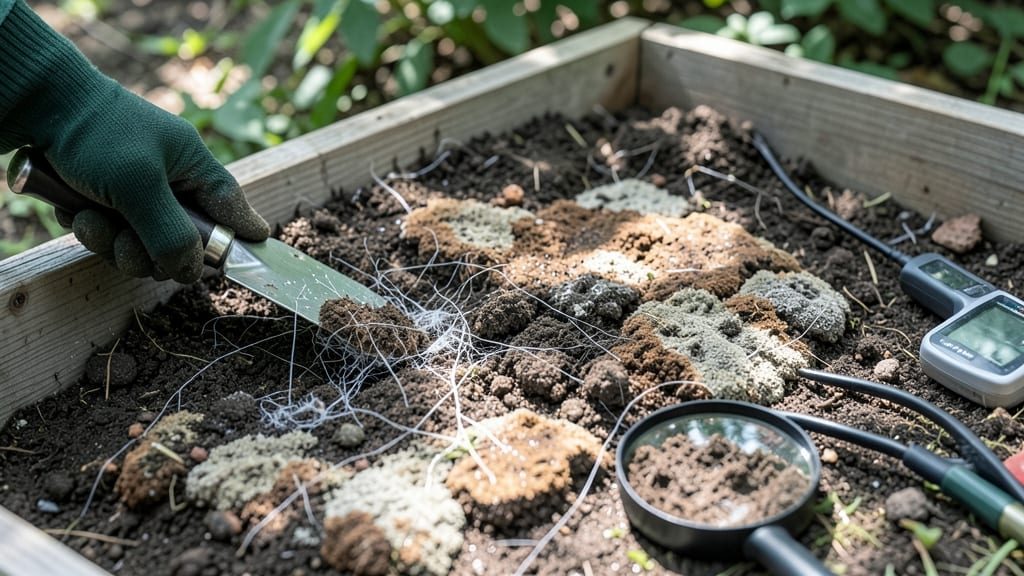
That brown soil fungus creeping through your garden beds isn’t just unsightly—it’s stealing nutrients from roots and stunting plant growth. 🌱 I’ve battled Rhizoctonia and Thielaviopsis in my own soil, and neem oil became my secret weapon against the spread.
The key is acting fast before it turns your healthy soil into a fungal hotspot.
Fungus thrives when soil stays too damp or organic matter breaks down too quickly. Poor drainage, overwatering, and thick mulch layers create the perfect breeding ground. Even well-intentioned compost piles can become fungus factories if they heat up improperly.
The brown, stringy mycelium spreads like a silent thief, weakening roots before you even notice.
Neem oil disrupts the fungus’s life cycle while feeding beneficial microbes back into the soil. A 2% solution (2 tablespoons per gallon of water) applied every 7-10 days stops the spread and restores balance.
For severe cases, pair it with soil aeration and sand amendments to break up compacted fungal zones. You’ll see roots regaining their vigor within 2-3 weeks of consistent treatment.
Prevention starts with proper drainage—raised beds or gravel layers under containers work wonders. Test your soil’s moisture retention and adjust mulch thickness. If the fungus keeps returning, it might be time to call in a soil specialist to check for deeper issues like waterlogging or pH imbalances.
Don’t let it become a recurring nightmare—neem oil gives you the upper hand.
Root Rot’s Silent Invaders
When your garden soil takes on that unsettling brownish hue and plants start wilting despite your best care, you’re likely dealing with brown soil fungus—a sneaky group of pathogens that thrive in damp, nutrient-rich environments.
Understanding why these fungi strike is the first step to stopping them in their tracks. Let’s break down the key culprits and their science-backed triggers.
Fungi like Phytophthora and Pythium (common brown soil fungus offenders) are water-loving opportunists. When soil stays soggy for extended periods—whether from overwatering, heavy rainfall, or compacted clay—these pathogens get the perfect breeding ground. Here’s why:
- Oxygen starvation: Waterlogged soil cuts off oxygen, weakening plant roots and making them easier targets for fungal invasion.
- Spore spread: Fungal spores float in standing water, infecting nearby plants through root contact or contaminated tools.
- Root stress: Plants under water stress release sugars into the soil, which fungi feast on like a buffet.
Actionable fix: Test your soil’s drainage by digging a 6-inch hole, filling it with water, and timing how long it takes to drain. If it’s slower than 6 hours, amend with perlite, sand, or compost to improve aeration.
Leaves, mulch, and dead plant matter may seem harmless, but they’re fungal goldmines. Brown soil fungus spores hitchhike on decaying material, and when it’s piled too thick or not broken down properly, it creates a cozy, humid microclimate for pathogens to multiply.
- Nutrient overload: Decomposing organic matter releases nitrogen and carbon, fueling fungal growth faster than plants can use it.
- Sheltered spores: Thick mulch layers protect spores from sunlight and fungicides, letting them persist for years.
- Root contact: Direct contact between roots and infected debris transfers the fungus like a handshake.
Actionable fix: Keep mulch 2–3 inches thick and space it 6 inches away from plant stems. Use straw or pine needles (less prone to matting) over leaf litter, and remove diseased plants immediately.
Brown soil fungi aren’t picky—they just love warm, damp conditions. Most thrive between 60–80°F (15–27°C) and 80–90% humidity, which is why they’re common in greenhouses, tropical climates, or shaded garden beds.
- Slow evaporation: High humidity delays drying, keeping fungal hyphae (thread-like roots) active longer.
- Enzyme activity: Fungi produce enzymes that break down plant cells faster in warm soil, accelerating rot.
- Seasonal spikes: Spring and fall are peak times because cool nights + warm days create the ideal moisture trap.
Actionable fix:
- Use a hygrometer to monitor soil humidity; aim for below 70%.
- Improve airflow with vertical gardening or trellises to reduce shade.
- Water in the early morning to let foliage dry before evening dampness sets in.
Healthy plants resist fungal attacks, but stress from nutrient deficiencies, pests, or physical damage rolls out the welcome mat for brown soil fungus. Think of it like a boarded-up house with a broken lock—easy access for squatters.
- Nitrogen deficiency: Plants low in nitrogen produce thinner cell walls, making them easier to penetrate.
- Pest damage: Bugs like root maggots create entry wounds, giving fungi a direct route to roots.
- Transplant shock: Newly planted or repotted plants are vulnerable for 4–6 weeks as roots establish.
Actionable fix:
- Boost soil with balanced fertilizer (e.g., 10-10-10) to strengthen plant immunity.
- Inspect plants for chewed roots or wilting—signs of pest activity.
- Apply mycorrhizal fungi (beneficial soil microbes) to compete with pathogens.
Fungal spores are tiny but tough, surviving in soil for years or hitching rides on gardening tools, shoes, or even water from a reused hose. If you’ve had root rot before, the spores are likely still lurking.
- Tool transfer: Pruners, trowels, or gloves can carry spores from one plant to another.
- Reused potting mix: Infected soil in containers recycles the fungus unless sterilized.
- Wildlife vectors: Earthworms and insects unwittingly spread spores as they move through soil.
Actionable fix:
- Sterilize tools with 10% bleach solution or rubbing alcohol between uses.
- Solarize soil by covering it with clear plastic for 4–6 weeks to kill spores with heat.
- Avoid composting diseased plants—toss them in the trash instead.
Natural Fixes for Fungal Soil Issues
Brown soil fungus—whether it’s root rot, powdery mildew, or other soil-borne pathogens—can wreak havoc on plants, but the good news is that neem oil and simple organic fixes can turn things around.
Below are practical, step-by-step solutions tailored to the root cause of your fungal problem, plus prevention tips to keep it from returning.
---
Cause: Overwatering, poor drainage, or compacted soil creates the perfect damp, dark environment for fungi like Phytophthora or Pythium to thrive.
Fix It: 1. 🍳 Improve Drainage Fast - Mix coarse sand, perlite, or coconut coir into the top 6 inches of soil (1 part amendment to 3 parts soil). - For containers, add gravel or broken pottery shards at the bottom before repotting. - Pro Tip: 💡 Test drainage by watering—if water pools after 30 minutes, you need better airflow.
2. 👨🍳 Apply Neem Oil Fungicide - Mix 1 tbsp neem oil + 1 tsp mild soap + 1 quart water in a spray bottle. - Drench the soil and foliage (avoid direct sun) every 7–10 days until symptoms fade. - Why It Works: Neem oil disrupts fungal cell membranes while improving soil microbial balance.
3. ⏰ Adjust Watering Habits - Water deeply but infrequently—aim for 1–1.5 inches per week (less in winter). - Use a moisture meter or stick your finger in the soil; if the top 2 inches are dry, it’s time to water. - Pro Tip: 🌡️ Water in the early morning to reduce humidity buildup overnight.
---
Cause: Existing fungal spores in soil (e.g., Rhizoctonia, Fusarium) activate when conditions are warm and moist.
Fix It: 1. 🔪 Remove Infected Plant Material - Snip off blackened roots or moldy stems with sterilized scissors (wipe with rubbing alcohol). - Do NOT compost infected plants—bag them and toss in the trash to prevent spread.
2. 🥘 Soil Sterilization (For Severe Cases) - Solarize the soil: Cover beds with clear plastic for 4–6 weeks in hot sun (kills pathogens). - Alternative: Mix 1 part hydrogen peroxide (3%) + 10 parts water, drench soil, and repeat weekly for 2 weeks. - Caution: 🚨 Avoid overusing H₂O₂—it can harm beneficial microbes.
3. 🌱 Boost Soil Health with Beneficial Fungi - Add mycorrhizal fungi (available as powder or granules) to help plants resist pathogens naturally. - Top-dress with compost or worm castings to outcompete harmful fungi.
---
Once your soil is healthy, lock in those gains with these habits: - 🎯 Rotate Crops: Avoid planting the same family (e.g., tomatoes, peppers) in the same spot for 3–4 years. - ✨ Use Mulch Strategically: Apply straw or wood chips (not fresh wood) to keep soil moist without suffocating roots. - 💪 Strengthen Plants: Healthy plants resist fungus better—fertilize with balanced organic matter (e.g., fish emulsion or kelp meal). - 🔄 Test Your Soil: Use a home pH kit—most fungi thrive in acidic soil (pH <6.0); aim for 6.0–7.0 for veggies.
--- Final Note: Patience is key—some fungal issues take 4–6 weeks to fully resolve. Monitor your plants, adjust as needed, and soon your soil will be fungus-free and thriving! 🌱💚
Frequently asked questions
What does brown soil fungus look like in my garden?
Brown soil fungus typically appears as stringy, web-like strands or dark brown to black patches in moist soil. Look for mushy, discolored roots or powdery growth on plant stems—common signs of Rhizoctonia or Pythium. If your soil smells musty or plants wilt despite regular watering, it’s likely a fungal issue.
Can neem oil kill brown soil fungus, or just slow it down?
Neem oil disrupts fungal growth by breaking down cell membranes, but it works best as a preventive measure when applied consistently. For active infections, combine it with soil aeration and drainage improvements—this two-pronged approach gives you the best chance of full eradication within 4-6 weeks.
How do I know if my plants are suffering from brown soil fungus vs. root rot?
Both share symptoms, but brown soil fungus often causes surface-level browning in soil, while root rot attacks from below with blackened, mushy roots. Check for yellowing leaves (fungus) vs. sudden wilting (rot). Dig up a plant—if roots smell foul and crumble, it’s likely rot; if they’re dry but discolored, fungus is the culprit.
Will composting help or worsen brown soil fungus?
Compost can spread fungus if it’s not fully decomposed—look for hot, steaming piles (safe) vs. cool, damp piles (risky). Use finished compost (dark, crumbly) and avoid adding diseased plants. For fungal-prone gardens, opt for vermicompost (worm-castings) instead—it’s sterile and nutrient-rich.
How long does it take for neem oil to work on brown soil fungus?
Neem oil starts working within 24-48 hours by inhibiting spore growth, but visible improvements take 2-3 weeks of consistent use. For severe cases, pair it with soil solarization (clear plastic for 4-6 weeks) to speed up recovery. Monitor plants weekly—if symptoms persist after 6 weeks, consider professional soil testing.