
How To
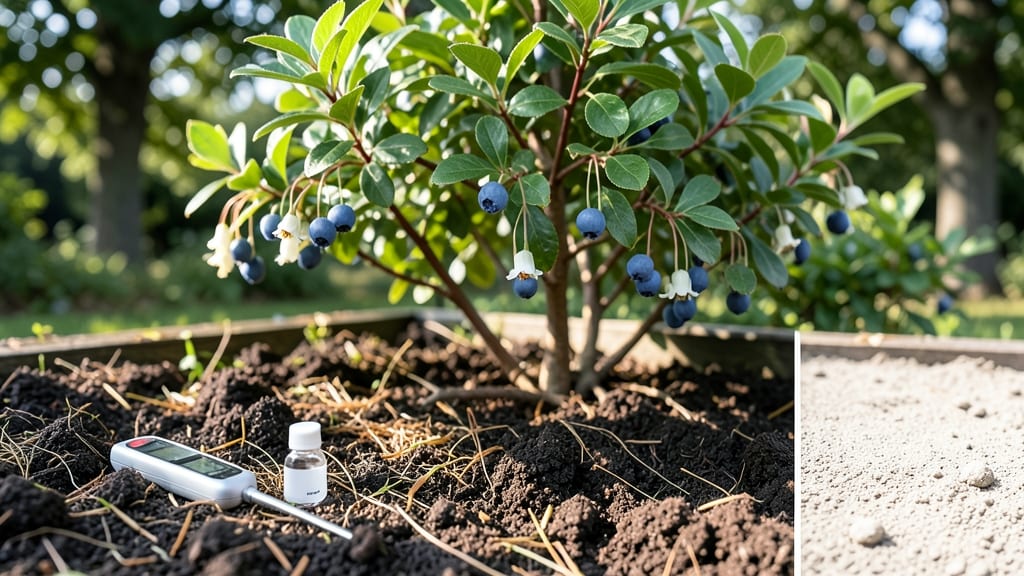
Growing thriving blueberries 🫐 depends on meeting their soil requirements, which are stricter than you might think.
Struggling to grow thriving blueberry bushes? The secret lies beneath the surface—in the soil. Without the right pH, drainage, and organic mix, your plants will fight for nutrients, leaving you with bitter disappointment instead of sweet, juicy berries.
Blueberries demand acidic soil with a pH between 4.5 and 5.5, which is far from the neutral range most gardeners use. They also need well-draining soil rich in organic matter, like peat moss or pine bark, to keep roots healthy and prevent rot.
In this guide, I’ll walk you through how to test and adjust your soil, the best organic mix for blueberries, and how to troubleshoot common issues—so you can finally grow those plump, flavorful berries you’ve been dreaming of.
Blueberry soil pH requirements: why acidic soil is non-negotiable
If you've ever planted blueberries only to watch them struggle despite your best efforts, the culprit is likely hiding in your soil's pH levels. Blueberries are acid-loving plants that demand a precise pH range of 4.5 to 5.5—any deviation throws their nutrient uptake into chaos.
Without this acidic environment, your bushes will suffer from chlorosis, stunted growth, and poor berry production, leaving you with a sad, underperforming shrub instead of a bountiful harvest.
Many gardeners mistakenly assume their soil is fine because it looks healthy, but pH is invisible until it's too late. Even rich, dark soil can be too alkaline for blueberries, locking out essential nutrients like iron, manganese, and phosphorus.
These micronutrients become unavailable when soil pH climbs above 6.0, leading to yellowing leaves and weak stems—symptoms that often go misdiagnosed as disease or drought stress.
Before you panic, take heart: adjusting soil pH is simpler than you think. With the right tools and amendments, you can transform your soil into a blueberry paradise in just a few months.
The key lies in understanding how to test your soil accurately and apply organic amendments like sulfur, peat moss, or pine needles to fine-tune the pH. Let’s dive into the science—and the simple steps—to get your blueberries thriving.
Testing your soil’s pH is the first critical step, and you don’t need a lab to do it accurately. A digital pH meter (around $20) or home test kit will give you reliable results in minutes.
For the most precise reading, collect samples from 5–6 spots in your planting area, mix them together, and test the composite. If your soil tests above 5.5, it’s time to lower the pH using organic amendments like elemental sulfur or pine needles.
These materials release acidity slowly, making them safer and more effective than harsh chemicals.
To lower pH naturally, spread 1–2 pounds of elemental sulfur per 100 square feet of soil and water it in thoroughly. For a slower, more organic approach, top-dress with 3–4 inches of pine bark fines or peat moss and work it into the top 6 inches of soil.
These materials break down over time, gradually acidifying the soil. Re-test your pH after 2–3 months to monitor progress—you may need to repeat the process until you hit that sweet spot of 4.5–5.5.
On the flip side, if your soil tests below 4.5, you’ll need to raise the pH slightly. While blueberries prefer acidity, extreme low pH can also hinder nutrient uptake.
Use wood ash or crushed oyster shell sparingly (start with 1/2 cup per plant) and re-test after a few weeks. Avoid lime, as it can overshoot the target pH quickly.
Balance is everything—think of it like tuning a guitar: too tight or too loose, and the sound (or in this case, the berries) suffers.
One common mistake I see is assuming that compost alone will fix pH. While compost improves soil structure and adds nutrients, it’s often too alkaline for blueberries. If your soil is already on the acidic side, compost can push it over the edge.
Always test before and after amending, and adjust your approach based on the results. Patience is key—soil pH changes take time, but the payoff is worth it when you see your bushes bursting with vibrant green leaves and plump berries.
Regional climates can also affect soil pH over time. In northern states, cooler temperatures and higher rainfall can naturally acidify soil, while southern climates often deal with alkaline soils due to limestone bedrock.
If you’re in a hot, dry area, you might need to reapply sulfur annually to maintain the ideal pH. Keep a gardening journal to track your soil’s pH and amendment history—this will help you anticipate adjustments before problems arise.
Remember, blueberries aren’t just picky about pH—they’re delicate in their needs. When the soil chemistry is right, your bushes will reward you with sweet, juicy berries that taste like summer in a bite. But when the pH is off, even the hardiest blueberry variety will struggle.
Don’t let a simple soil test stand between you and a thriving bush. Grab that pH meter, roll up your sleeves, and give your blueberries the acidic home they crave.
Best organic soil mix for blueberries: the perfect recipe for thriving plants
Blueberries are finicky about their soil—they demand a perfect blend of organic matter, acidity, and aeration. Without the right mix, your bushes will struggle to absorb nutrients, leading to stunted growth or poor fruit production.
The ideal organic soil mix mimics their natural acidic, well-draining habitat in boggy forests. Let’s break down the science (and simplicity) behind crafting it yourself.
Most gardeners swear by a 50-50-50 mix of peat moss, compost, and sand, but modern organic alternatives like pine bark fines and coconut coir are game-changers. These amendments improve moisture retention while preventing compaction, which is critical for blueberry roots that hate soggy conditions.
Whether you’re planting in containers or in-ground, the right ratios can mean the difference between a bountiful harvest and a sad, leafy bush.
| Mix Type | Peat Moss | Compost | Sand | Pine Bark Fines | Coconut Coir |
|---|---|---|---|---|---|
| Classic Mix | 50% | 30% | 20% | — | — |
| Modern Organic | 30% | 30% | 20% | 15% | 5% |
| Container Mix | 40% | 25% | 15% | 15% | 5% |
| Best for Drainage | 20% | 30% | 30% | 20% | — |
For in-ground planting, start by amending your native soil with 3 inches of compost and 2 inches of peat moss mixed into the top 12 inches.
If your soil is heavy clay, add coarse sand (like horticultural sand) to improve aeration. Pine bark fines are my secret weapon—they retain moisture while keeping roots oxygenated, which is crucial for root health and berry production.
Pro tip: Mix in a handful of sulfur granules to fine-tune the pH if your soil tests above 5.5.
If you’re planting in containers, prioritize a looser mix with more sand or perlite (up to 30%) to prevent waterlogging. Pre-mixed blueberry-specific potting soils (like FoxFarm Ocean Forest or Black Gold Blueberry Mix) are convenient but often lack the acidity boost blueberries crave.
To fix this, blend them 50/50 with peat moss or add 1 cup of pine needles per gallon of mix. This hack mimics the acidic forest floor where wild blueberries thrive.
Avoid using fresh sawdust or untreated wood chips—they can rob nitrogen from the soil, stressing your plants. Instead, opt for composted bark or leaf mold, which break down slowly and enrich the soil without competition. For nutrient-dense results, top-dress with cottonseed meal (a slow-release nitrogen source) in early spring. This mimics the natural leaf litter that feeds wild blueberry bushes.
Ready to elevate your blueberry game? Start with a small test batch—mix 2 parts peat moss, 1 part compost, and 1 part sand in a bucket. Plant a few bushes in this blend and monitor their growth.
Adjust the ratios based on how they respond: dull leaves mean more compost; yellowing suggests lower pH or better drainage. With the right mix, you’ll be feasting on juicy, homegrown blueberries in no time! 🫐