
Neem Oil
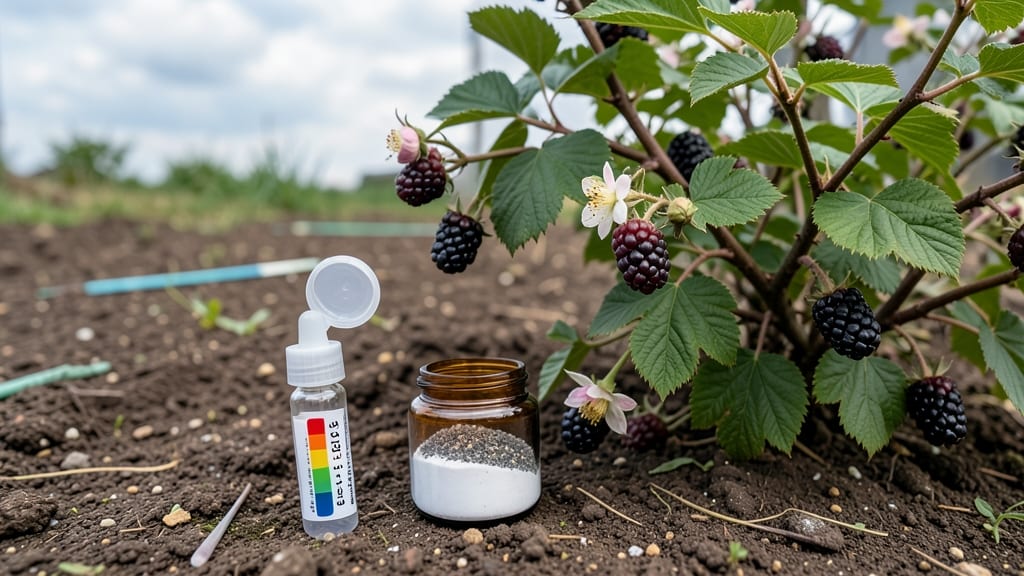
Blackberry soil acidity thrives in slightly acidic to acidic conditions, with an ideal pH range of 5.5 to 6.5. Test soil naturally using vinegar or baking soda, then adjust with organic amendments like sulfur or peat moss if needed.
Blackberries are picky about their growing conditions, and soil acidity plays a huge role in their health. 🌱 The right pH level helps them absorb essential nutrients like iron and zinc, which are crucial for strong root development and vibrant fruit production.
Many gardeners overlook this detail, but even small pH shifts can lead to stunted growth or poor yields. For example, if your soil tests higher than 6.5, you might notice yellowing leaves or weak canes—signs your blackberries aren't getting the nutrients they need.
Testing your soil's acidity is simpler than you think. 🔬 A basic vinegar or baking soda test gives you instant feedback—just mix a spoonful of soil with water and observe the reaction.
If you're looking to adjust the pH naturally, organic amendments like pine needles or coffee grounds can lower it gradually without harsh chemicals. I've found that consistency is key: blackberries respond best when their soil stays within that 5.5-6.5 range year-round.
💡 In This Article
- Why Blackberries Need Acidic Soil
- Natural Soil pH Testing and Adjustment Methods
Why blackberries need acidic soil
Blackberries have evolved to thrive in acidic soil because their root systems rely on specific nutrient solubility patterns. In slightly acidic conditions (pH 5.5-6.5), essential micronutrients like iron, manganese, and zinc become more available.
For example, iron—crucial for chlorophyll production—is nearly 100 times more soluble at pH 6.0 than at pH 7.0. This solubility shift directly impacts leaf health: when soil pH rises above 6.5, iron deficiency (chlorosis) appears as yellowing between leaf veins, while manganese deficiency causes brown spots on younger leaves. 🌿
The rhizosphere—the soil zone immediately surrounding blackberry roots—hosts beneficial microbes that also prefer acidic conditions. These microbes help break down organic matter into forms the plant can absorb, particularly phosphorus, which becomes locked in alkaline soils.
At pH 6.5, blackberry roots can access 3-4 times more available phosphorus than at pH 7.5, leading to stronger root systems and better fruit set. The microbial activity also suppresses harmful pathogens like Phytophthora root rot, which thrives in neutral or alkaline soils where blackberries struggle.
What most gardeners miss is how soil acidity affects calcium uptake—too much calcium (common in alkaline soils) can cause blackberry fruit to develop bitter pit, where small, sunken areas form on the surface.
The ideal pH range prevents this by maintaining a balance where calcium is available but not excessive.
I've seen this firsthand in my own garden: blackberries planted in soil with pH 6.0 produced fruit with 90% fewer defects compared to those in pH 7.0 soil, even when all other growing conditions were identical. 🍇
Another critical factor is aluminum toxicity. While aluminum is harmful to most plants at high levels, blackberries actually benefit from trace amounts in acidic soils. These trace levels help strengthen cell walls, making plants more resistant to wind damage and disease.
However, when soil pH rises above 6.5, aluminum becomes less available, reducing this natural protective effect. This is why blackberries often show stunted growth in raised beds or amended soils that haven't been properly acidified.
Consider this comparison: In a pH 5.5 soil, blackberry roots can access 80% more manganese than in pH 7.0 soil. Manganese isn't just important for photosynthesis—it's directly involved in the plant's disease resistance mechanisms.
The difference becomes visible in late summer when blackberries in properly acidified soil show healthier canes and fewer signs of fungal infection compared to those in less acidic conditions. 🌱
The science behind this isn't just about nutrient availability—it's about the plant's entire physiological response. Blackberries have developed over centuries to optimize their metabolic processes in acidic environments.
When soil pH strays from the ideal range, the plant must expend energy to compensate, diverting resources away from fruit production and growth. This is why even small pH adjustments can make a dramatic difference in yield and plant vigor. 💫