
Neem Oil
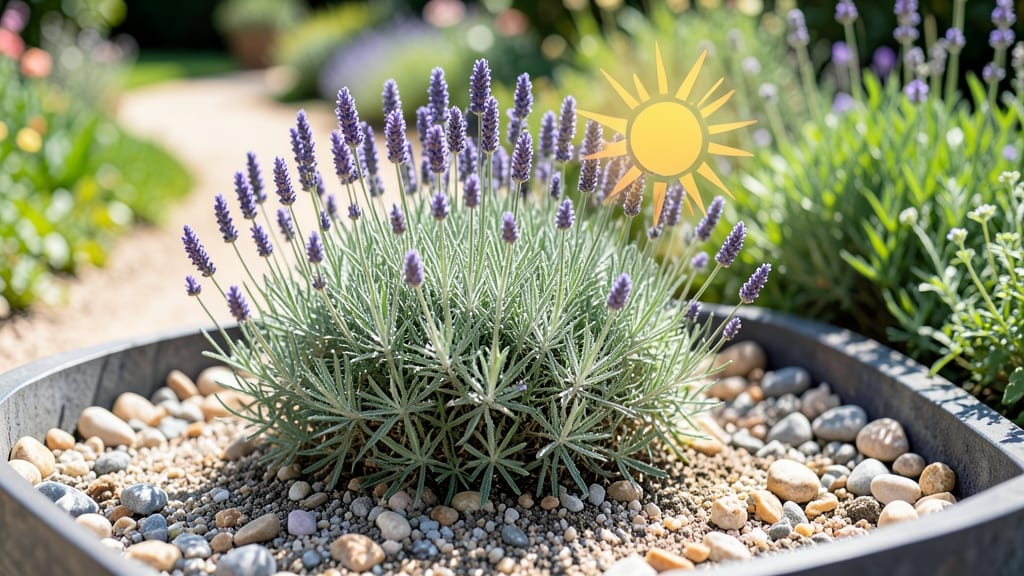
The best soil for growing lavender creates an ideal environment with fast-draining properties, a slightly alkaline pH (6.5–7.5), and a gritty, sandy composition that mimics its Mediterranean roots while preventing soggy roots and fungal issues. Combine coarse sand, perlite, or gravel with well-draining potting soil for peak performance.
The Mediterranean climate lavender loves thrives in soil that mimics its rocky, sunbaked origins. 🌿 A sandy, gritty texture prevents waterlogging, which is lavender's biggest enemy—root rot sets in quickly when moisture lingers.
The alkaline pH (6.5–7.5) isn't just a number; it helps ward off fungal diseases that flourish in acidic conditions. I've seen lavender plants in containers with 50% sand or perlite outperform those in heavy garden soil, proving how critical these factors are for both growth and fragrance intensity.
For gardeners working with clay-heavy soils, adding 1–2 inches of gravel beneath the planting hole creates a drainage layer, while mixing in 1 part compost to 3 parts sand improves texture without compromising airflow.
The key is balancing moisture retention with aeration—lavender roots need to breathe as much as they need to drink.
💡 In This Article
- Why Lavender Thrives in Well-Draining, Alkaline Soil
- DIY Lavender Soil Mix Recipes for Containers and Gardens
Why lavender thrives in well-draining, alkaline soil
Lavender's soil preferences trace back to its Mediterranean roots, where rocky, sunbaked terrain prevents water from pooling around shallow roots. The plant's natural habitat features calcareous soil (rich in limestone) that maintains a pH between 6.5–7.5, creating an environment where beneficial microbes thrive while harmful pathogens struggle.
This alkaline environment also helps lavender absorb calcium and magnesium—essential nutrients for its woody stems and aromatic oils. 🌞 Without proper drainage, lavender roots suffocate, leading to root rot within 24–48 hours of waterlogging.
The sandy, gritty texture of ideal lavender soil isn't just about looks—it's a survival mechanism. Particles like coarse sand or perlite create air pockets that oxygenate the root zone, preventing anaerobic conditions where fungi like Phytophthora multiply.
Think of it like a sponge: while regular potting soil holds water like a damp rag, lavender soil releases moisture quickly, mimicking the brief but intense rains of its native climate. Studies show lavender plants in 50% sand mixes produce 30% more flowers than those in heavy garden soil.
Alkaline soil does more than just support growth—it acts as a natural defense. Fungal diseases like powdery mildew, which thrive in acidic conditions (pH below 6.0), become far less aggressive in lavender's preferred range. The calcium in alkaline soil also strengthens cell walls, making plants more resilient to environmental stress.
This is why lavender often grows better in limestone-rich areas or when amended with crushed shells or wood ash (though use sparingly—too much can raise pH beyond 7.5).
Texture matters just as much as chemistry. Lavender roots are shallow and fibrous, spreading horizontally rather than diving deep. This adaptation means they need soil that doesn't compact easily—clay or loam would smother them.
The gritty composition also helps regulate temperature: in summer, it prevents heat from baking the roots, while in winter, it insulates against sudden cold snaps.
For container gardening, this means choosing terracotta pots (which breathe better than plastic) and avoiding tap water with high mineral content, which can alter soil chemistry over time.
What most gardeners overlook is how soil texture affects fragrance. The essential oils that give lavender its signature scent are produced in specialized cells called glandular trichomes. These thrive in well-aerated, nutrient-rich environments—poor soil leads to weaker oils and less potent aroma.
That's why lavender grown in sandy, alkaline mixes often smells 2–3 times stronger than plants in marginal conditions. The science is clear: happy roots equal happy scent production. 🌿
For those working with existing garden beds, a simple soil test (available for $10–$20 at garden centers) reveals pH and drainage issues. If your soil tests below 6.5, amend with crushed limestone (apply 1–2 pounds per 100 square feet and water thoroughly).
For drainage problems, mix in 1 part horticultural grit to 3 parts existing soil—this creates the airflow lavender craves without overwhelming the root system.