
Vegetables
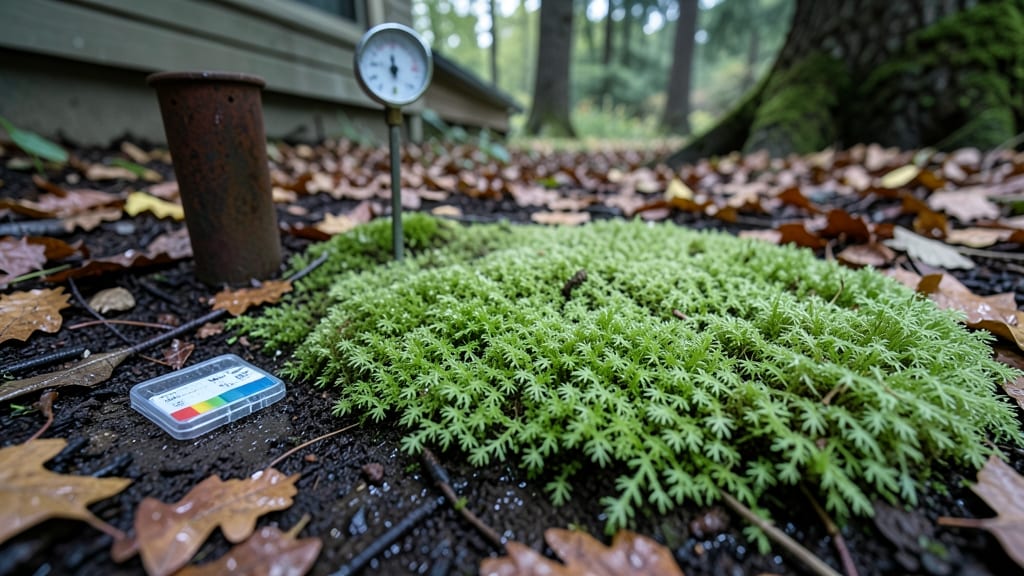
Soil turns green when algae or moss grows due to excess moisture, shade, and organic buildup, creating a natural but often unwanted layer that can disrupt plant health and drainage.
Green soil isn't just an eyesore—it's a sign your garden needs better balance. 🌱 Algae thrives in damp, shaded spots where sunlight can't reach, while moss spreads when soil stays consistently wet. Both thrive on organic matter like fallen leaves or mulch, which provides nutrients for their growth.
The problem? This green layer can smother plant roots, block water absorption, and even attract pests, turning your garden's foundation into a breeding ground for unwanted guests.
What's interesting is how quickly this happens—sometimes within weeks of neglecting proper drainage or sunlight exposure. I've seen gardens go from lush and healthy to moss-covered in just a few rainy seasons if left unchecked.
The good news? With the right adjustments—like improving airflow, trimming nearby plants for better light penetration, or occasionally raking away organic debris—you can restore that rich brown soil your plants actually need to thrive.
💡 In This Article
- The Science of Green Soil: Algae vs. Moss Growth Factors
- Preventing and Removing Green Soil: Gardening Solutions
The science of green soil: algae vs. moss growth factors
Algae and moss don't just appear randomly—they respond to specific environmental conditions that create the perfect breeding ground. Algae, a simple plant-like organism, thrives in moist, low-light environments where water sits stagnant for extended periods. This happens when soil lacks proper drainage or when heavy mulch layers block airflow.
Moss, on the other hand, prefers consistently damp conditions with high humidity, often spreading in shaded garden beds where sunlight can't penetrate.
Both organisms rely on organic matter—like decaying leaves, grass clippings, or compost—for nutrients, which is why green soil often appears thickest near mulched areas or under dense plant foliage.
The pH level of your soil plays a surprising role too. Algae typically flourishes in neutral to slightly alkaline soil (pH 7-8.5), while moss prefers acidic conditions (pH 4.5-6.0).
This explains why you might see algae dominating in a freshly amended garden bed (where lime might have been added) while moss takes over in pine needle mulch (which naturally acidifies soil).
Temperature also matters—both organisms grow most aggressively in moderate climates (50-75°F), which is why green soil problems spike during spring and fall when moisture lingers but heat isn't intense enough to dry the surface.
What's happening at the microscopic level is fascinating. Algae forms a slimy, single-celled layer that can double in coverage within just 2-3 weeks under ideal conditions. Moss, meanwhile, spreads through spores that germinate and form dense mats, creating a spongy texture that traps even more moisture.
The combination of these two creates that thick, velvety green carpet you see—one that can reach depths of up to 1/4 inch in severe cases. This layer doesn't just look unappealing; it physically blocks water and oxygen from reaching plant roots, creating a suffocating environment for your garden's foundation.
Here's where it gets tricky: both algae and moss actually serve ecological purposes. They help break down organic matter and prevent erosion in natural environments. But in a managed garden, their growth becomes problematic when they outcompete your desired plants.
The key difference in their growth patterns is their relationship with light—algae can survive with as little as 10% sunlight, while moss requires even less (5% or less).
This explains why you'll often see moss thriving under dense shrubs while algae appears in partially shaded spots like between stepping stones.
One often-overlooked factor is the role of minerals in green soil formation. Algae, particularly blue-green algae (cyanobacteria), can fix nitrogen from the air, creating a temporary boost in soil fertility that might initially seem beneficial. However, this nitrogen becomes unavailable to your plants when the algae layer becomes too thick.
Meanwhile, moss absorbs minerals like calcium and magnesium, which can lead to nutrient imbalances in the soil over time. The result? Your plants might show signs of nutrient deficiencies—like yellowing leaves—even as the soil appears "green" and fertile on the surface.
Understanding these factors helps explain why green soil often appears in specific patterns. For example, you might notice algae concentrated in low spots where water pools after rain, while moss spreads evenly across shaded garden beds.
The texture difference is also telling—algae creates a slimy, almost slippery surface when wet, while moss feels springy and resilient. Recognizing these visual and textural clues can help you determine which organism you're dealing with and what specific conditions to address first.