
Advice
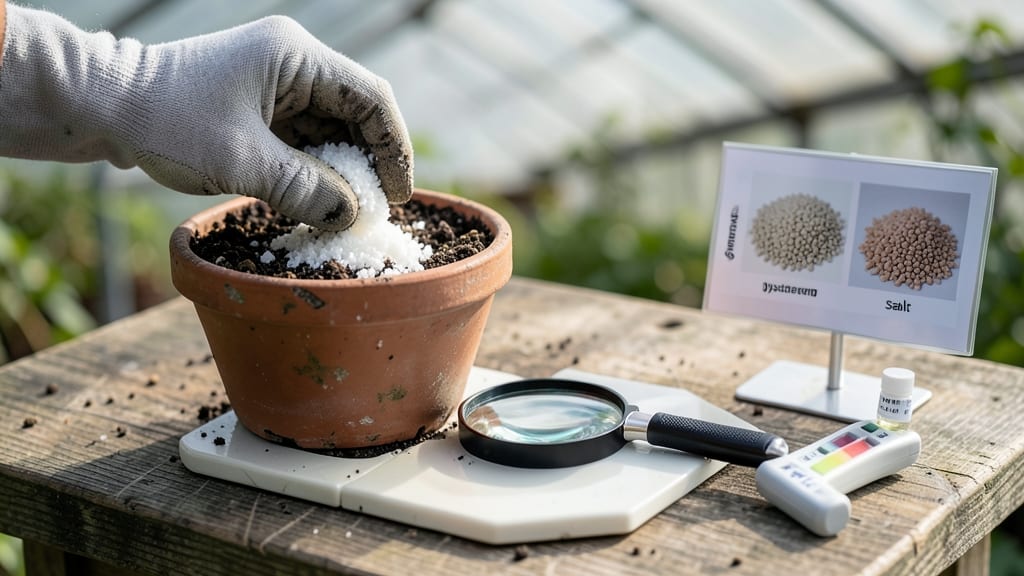
That mysterious white stuff in your soil mix isn’t just unsightly—it’s often a sign your plants are silently screaming for help. 🌱 I’ve seen it turn into a full-blown problem when ignored, but once you know what it is, fixing it becomes straightforward.
The good news? Most cases don’t require harsh chemicals or panic.
Salt deposits, fungal growth, or even insect eggs could be the culprits. The first step is identifying it: rub a bit between your fingers—crusty flakes mean salt buildup, while fuzzy white patches suggest fungal activity.
My go-to trick is flushing the soil with water first, which clears up half the issues before you even reach for amendments.
Once you know the cause, solutions are simple: for salt, leach with rainwater; for fungus, add compost tea; and for pests, introduce beneficial nematodes. Your plants will bounce back faster than you think, and you’ll avoid the heartbreak of stunted growth or sudden wilting.
Prevention is easier than cleanup—just monitor moisture, avoid over-fertilizing, and test your soil’s pH regularly. Trust me, a little vigilance now saves hours of frustration later. Let’s get that soil back to its happy, healthy self.
Root Causes Of Mysterious White Deposits
Discovering an unfamiliar white substance in your soil mix can feel like a puzzle—especially when you’re not sure if it’s harmless or harmful. These deposits often stem from natural chemical reactions, microbial activity, or even human error.
Below, we break down the most common reasons why this happens, so you can diagnose the issue and take action.
If your tap water is high in calcium, magnesium, or sodium, these minerals can precipitate out of the water as it evaporates or absorbs into the soil. Over time, they form chalky white crusts or powdery residues.
- How it happens: Water with high mineral content (hard water) leaves behind deposits when it dries. This is especially common in potted plants where water evaporates quickly.
- Signs to look for:
- White, chalky residue on the soil surface or container edges
- Crusty buildup that feels gritty to the touch
- More noticeable in containers with poor drainage
- Actionable fix:
- Use filtered, distilled, or rainwater instead of tap water
- Flush the soil occasionally with clean water to dissolve deposits
- Add a thin layer of perlite or sand to improve drainage and reduce evaporation
White, fluffy, or powdery substances in soil can sometimes be fungal hyphae or mold spores, especially in moist, poorly ventilated conditions. While some fungi are harmless, others can compete with plant roots for nutrients or even cause root rot.
- How it happens: Excess moisture, poor airflow, or organic matter breakdown creates the perfect environment for fungal growth. Common culprits include Penicillium or Aspergillus species.
- Signs to look for:
- Cotton-like or fuzzy white patches on soil or roots
- Musty or sour smell emanating from the soil
- Slow plant growth or yellowing leaves (if severe)
- Actionable fix:
- Improve ventilation by spacing plants properly and using a fan in humid areas
- Reduce watering frequency and ensure pots have drainage holes
- Apply a fungicide (like neem oil or hydrogen peroxide solution) if mold is widespread
- Replace the top layer of soil if contamination is severe
Tiny white pests like mealybugs or scale insects can leave behind a waxy, cottony residue that resembles white stuff in soil. These pests thrive in dry, dusty environments and often cluster near plant stems or under leaves.
- How it happens: Mealybugs excrete honeydew (a sticky substance), which can mix with soil and harden into white deposits. Scale insects also leave behind protective waxy shells that look like white flakes.
- Signs to look for:
- Visible white, fluffy clusters on plant stems, leaves, or soil surface
- Sticky residue (honeydew) on leaves or near the soil line
- Black sooty mold growing on honeydew (a secondary issue)
- Actionable fix:
- Isolate infested plants to prevent spread
- Wipe pests off with a soapy water solution (1 tsp mild soap per quart of water)
- Use insecticidal soap or neem oil as a natural treatment
- Introduce beneficial insects like ladybugs or lacewings for long-term control
Over-fertilizing—especially with synthetic or high-salt fertilizers—can lead to white salt deposits in the soil. These salts draw moisture out of plant roots, causing osmotic stress and stunting growth.
- How it happens: Excess salts (like sodium chloride or potassium chloride) don’t dissolve completely in water. As the water evaporates, the salts crystallize on the soil surface.
- Signs to look for:
- White, crusty deposits on the soil surface or pot edges
- Brown or crispy leaf tips (a sign of salt burn)
- Slow or stunted plant growth despite regular watering
- Actionable fix:
- Flush the soil with clean water to leach out excess salts (water until it runs freely from drainage holes)
- Switch to organic fertilizers (like compost or worm castings) which break down more gently
- Use rainwater or distilled water for watering to avoid adding more salts
- Repot the plant with fresh, well-draining soil if salt buildup is severe
Adding too much baking soda, lime, or other amendments to adjust soil pH can leave behind white, powdery residues. These substances are alkaline and may not fully dissolve, especially in acidic soils.
- How it happens: When you amend soil to raise pH, undissolved particles can settle on the surface or mix into the top layer, creating a white film.
- Signs to look for:
- White powder on the soil surface, especially after recent amendments
- No visible pests or mold (unlike other causes)
- Plants may show signs of alkaline stress (yellowing leaves, poor nutrient uptake)
- Actionable fix:
- Test your soil’s pH with a home kit before adding more amendments
- Mix the soil thoroughly to distribute any remaining particles
- Use organic matter (like peat moss or compost) to buffer pH naturally
- Avoid over-amending—stick to small, gradual adjustments
Now that you know the most likely culprits behind that white stuff in your soil mix, you can take targeted steps to restore your plants’ health.
The key is observation—check for accompanying symptoms (like pests, mold, or plant stress) to narrow down the cause. Most issues are fixable with simple adjustments!
Fixing White Soil Mysteries Fast
Got that puzzling white stuff in your soil mix? Don’t panic—most causes have simple, plant-friendly fixes. Below, we break down the root causes and pair them with actionable solutions, plus tips to keep your soil clean and happy long-term. Let’s get your growing mix back to its prime!
If the white film is salty (often from tap water, fertilizers, or dried-up minerals), your plants are basically getting a "salt burn." Here’s how to reverse it:
🍳 Step 1: Leach the Soil
- Water heavily until it runs freely from drainage holes (like giving your soil a shower).
- Repeat 2–3 times over 24 hours to wash away excess salts.
- Use filtered or rainwater if possible—tap water can reintroduce minerals.
👨🍳 Step 2: Adjust Your Watering
- Test your water: If it’s hard (high in minerals), use a chelating agent or reverse osmosis filter.
- Let soil dry slightly between waterings to prevent salt buildup.
🌡️ Pro Tip
💡 DIY salt test: Mix 1 cup soil + 1 cup water, shake, and let settle. A white cloudy layer = high salts. Rinse if needed!
Seeing fuzzy white threads or powdery patches? That’s likely fungal growth (like Pyricularia or Penicillium). Stop it before it spreads:
🔪 Step 1: Remove Affected Soil
- Discard heavily contaminated mix (don’t reuse it—it’s like feeding mold a buffet).
- Repot plants in fresh, sterilized soil (bake soil in oven at 200°F for 30 mins to kill spores).
⏰ Step 2: Improve Airflow & Drainage
- Add perlite or vermiculite (10–20%) to break up compacted soil.
- Repot in containers with drainage holes (no soggy bottoms!).
- Space plants properly—crowding = fungal paradise.
✨ Pro Tip
🎯 Prevent recurrence: Sprinkle 1 tsp cinnamon or hydrogen peroxide (3%) per gallon of soil to inhibit fungal spores.
White powdery chunks (like gypsum or lime) mean your soil’s pH or mineral balance is off. Here’s how to fix it:
🍳 Step 1: Identify the Culprit
- Lime (calcium carbonate): Feels gritty, turns soil alkaline (pH >7).
- Gypsum (calcium sulfate): Dissolves in water, leaves white residue.
👨🍳 Step 2: Adjust pH or Flush
- For alkaline soil (lime):
- Mix in sphagnum peat moss or elemental sulfur (follow package rates).
- Water with vinegar solution (1 tbsp per gallon) to lower pH gradually.
- For mineral buildup (gypsum/salts):
- Leach with distilled water (repeat until runoff is clear).
💡 Pro Tip
🌡️ Test your soil’s pH with a digital meter or DIY kit before treating. Aim for 6.0–7.0 for most plants.
Tiny white specks that look like egg casings or insect shells? You’ve got pests (like fungus gnats or mealybugs). Act fast!
🔪 Step 1: Quarantine & Inspect
- Remove affected plants and check for larvae, webs, or sticky residue (honeydew).
- Shake soil mix over a white tray—do you see tiny white bugs or eggs?
👨🍳 Step 2: Natural Pest Control
- For fungus gnats:
- Yellow sticky traps + let topsoil dry between waterings.
- Diatomaceous earth (food-grade) sprinkled on soil surface.
- For mealybugs/scale:
- Neem oil spray (1 tsp neem oil + 1 tsp mild soap per quart of water).
- Release ladybugs (their natural predators!).
🎯 Pro Tip
✨ Prevent future infestations:
- Avoid overwatering (pests love damp soil).
- Use sterile potting mix and clean pots before repotting.
Keep your soil mix white-stuff-free with these habits: ✅ Use filtered or rainwater (tap water = mineral time bomb). ✅ Sterilize tools & pots (bleach solution or boiling water). ✅ Rotate crops (don’t replant the same species in the same soil). ✅ Monitor humidity (fungus thrives in >60% humidity—use a dehumidifier if needed). ✅ Test soil annually (pH, nutrients, and salinity).
Remember: Most white soil issues are fixable with a little detective work and proactive care. Start with the leaching or sterilization steps, then adjust based on what you find. Happy growing! 🌱
Frequently asked questions
Is white stuff in my potting mix always harmful?
Not necessarily! Some white deposits like gypsum or calcium carbonate are harmless byproducts of mineral breakdown. However, if it's powdery, fuzzy, or accompanied by plant stress (yellowing leaves, stunted growth), it could signal salt buildup, fungal growth, or pests. Always check for accompanying symptoms before assuming it's safe.
Why does my soil develop white crusts after watering?
This is usually mineral precipitation from hard water or fertilizer salts. When water evaporates, dissolved minerals like calcium and magnesium crystallize on the surface. To prevent it, flush your pots regularly with clean water and use filtered or rainwater instead of tap water. Adding a 1-inch layer of perlite can also improve drainage and reduce evaporation.
Can I use vinegar to remove white deposits from soil?
Yes, but with caution! A 1:10 vinegar-to-water solution can help dissolve some mineral deposits and lower pH if your soil is too alkaline. However, don't overdo it—too much acidity can harm plants. Test your soil first, and use it sparingly (1-2 times max) before switching to safer methods like leaching with clean water.
How do I know if white stuff is fungus versus salt buildup?
Fungal growth usually appears as cottony, fuzzy patches that may have a musty smell, while salt buildup looks like crusty, chalky flakes that feel gritty. Rub a small amount between your fingers—if it dissolves easily, it's likely salt. If it feels stringy or powdery, it's probably fungal. Check for accompanying plant symptoms to confirm.
Will repotting always fix white soil issues?
Not always! While repotting with fresh soil helps, the root cause might still affect your new mix. If the issue was salt buildup or hard water, continue using filtered water. For fungal problems, sterilize your new pots and tools. The key is addressing both the soil AND your watering/fertilizing habits to prevent recurrence.