
Plants
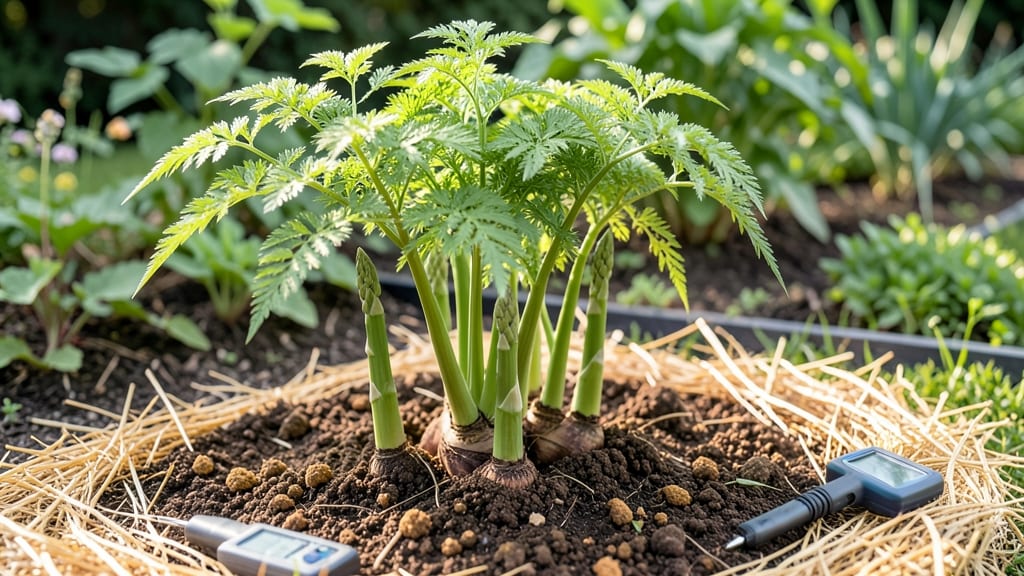
What kind of soil does asparagus like? It thrives in well-draining loam with a slightly alkaline pH—6.0 to 7.5—where roots spread freely without waterlogging. 🌱 I learned the hard way that soggy soil turns spears woody and stunted, while the right mix rewards you with thick, lush ferns and tender shoots for years. The secret isn’t just the pH test; it’s the texture that holds moisture but never suffocates those deep, fibrous roots. Start with native soil amended with 2-3 inches of compost and a handful of sand or perlite to break up clay. Asparagus roots dive 1-2 feet deep, so focus on loosening the lower layers too—think of it like preparing a cozy bed for a picky houseguest. A simple soil test kit (under $20) confirms your pH before planting; if it’s too acidic, crushed limestone brings it up over time. What you’ll get is a permanent crop that pays dividends for a decade—thick spears in spring, then feathery ferns that turn golden in fall. The key is consistency: mulch annually with straw to retain moisture without compacting the soil, and avoid heavy fertilizers that burn tender roots. Works for in-ground beds or raised boxes, whether you’re in Zone 3’s harsh winters or Zone 9’s mild climate. Here’s how to nail the soil prep the first time.
📚 In This Guide
- What you need
- Instructions
- Tips and common mistakes
- Wrapping up and next steps
What you need
- ● Well-draining loam soil: Aim for a mix of 60% topsoil, 30% compost, and 10% coarse sand or perlite (1–2 cubic yards per 100 sq. ft. bed).
- ● Lime (if needed): Test soil pH first—if below 6.0, add 1–2 lbs of agricultural lime per 100 sq. ft. to raise alkalinity.
- ● Organic matter: 5–10 lbs of compost or well-rotted manure per 100 sq. ft. (avoid fresh manure—it can burn roots!).
- ● Balanced fertilizer: 10-10-10 or 5-10-10 NPK fertilizer (apply ½ lb per 10 ft. of row at planting).
- ● Mulch: 2–3 inches of straw or wood chips to retain moisture and suppress weeds.
- ● Soil pH test kit (to confirm alkalinity before planting).
- ● Garden fork or tiller (for loosening compacted soil).
- ● Asparagus crowns (1-year-old, disease-free plants—10–15 per 10 ft. row).
- ● Drip irrigation system (asparagus loves 1–1.5 inches of water weekly).
- ● Row covers or netting (to protect young shoots from pests).
How to prepare the perfect soil for asparagus growth
Asparagus thrives in loose, fertile soil that drains well—here’s how to create the ideal conditions for strong, productive plants.
🌱 Step 1: Test and Amend Your Soil’s pH and Texture
Asparagus prefers a slightly alkaline soil with a pH of 6.0–7.5. Grab a soil test kit (or send a sample to your local extension office) to check your current pH. If it’s too acidic, add lime to raise it—follow package instructions for exact amounts. For sandy soil, mix in 2–3 inches of compost to improve moisture retention, while clay soil benefits from 2–3 inches of coarse sand or perlite to loosen it.
Real talk: Asparagus roots spread wide, so don’t just amend the top layer. Dig down 12–18 inches to create a loose, aerated bed. You’ll see roots branching out horizontally in a few years—that’s how they build energy for those thick spears.
💧 Step 2: Build a Nutrient-Rich Foundation
Asparagus is a heavy feeder, so enrich the soil with well-rotted compost or aged manure (like cow or horse) mixed into the top 6–8 inches. Avoid fresh manure—it can burn tender roots. I like to blend in a balanced organic fertilizer (like 5-5-5) at planting time for an extra nutrient boost.
Don’t skimp on organic matter—this is the fuel for those first-year crowns to establish. You’ll notice the soil feel lighter and fluffier after mixing, which helps roots spread without resistance. If your soil is already rich, a light layer of compost on top is enough.
☀️ Step 3: Ensure Proper Drainage and Sun Exposure
Asparagus hates soggy roots, so pick a spot with full sun (6–8 hours daily) and well-draining soil. If your yard holds water, raise the bed 6–12 inches above ground level using wood or landscape fabric. This prevents rot and encourages deep root growth.
Here’s the thing—waterlogged soil is the #1 killer of asparagus crowns. After planting, water deeply but let the soil dry slightly between waterings. You’ll know drainage is good when water soaks in within 15–30 minutes instead of pooling on the surface.
✂️ Step 4: Plant Crowns in Loose, Aerated Soil
Dig trenches 6–8 inches deep and 12–18 inches apart (asparagus spreads!). Place crowns in the trench with the roots spread out, then cover with 2–3 inches of soil. Over the next few weeks, gradually mound soil up around the crown until it’s level with the bed—this encourages strong spear production.
Don’t bury the crowns too deep or they’ll struggle to push through the soil. You’ll see the first shoots emerge in 2–3 years, but proper soil prep now ensures they’re thick and vigorous when they finally appear.
🌿 Step 5: Maintain Soil Health Year-Round
After harvest, top-dress with 2–3 inches of compost in early spring to replenish nutrients. Avoid heavy fertilizers—they encourage leafy growth at the expense of spears. Mulch with straw or wood chips to retain moisture and suppress weeds, but keep mulch 2–3 inches away from crowns to prevent rot.
I test soil moisture monthly during dry spells—if the top 2 inches feel dry, it’s time to water. Asparagus is drought-tolerant once established, but consistent moisture (not soggy) keeps spears thick and tender.
Tips & tricks for perfect asparagus soil preparation
These simple tricks will help you create the ideal growing environment for healthy asparagus plants that produce thick, delicious spears for years.
Soil Depth Matters: When amending your soil in Step 1, don't just scratch the surface—dig down to 12-18 inches to create a loose, aerated bed. Asparagus roots spread horizontally, so they need room to establish deep networks. I like to use a broadfork to loosen compacted soil without turning it completely—this preserves soil structure while improving drainage. The deeper you go, the stronger your plants will grow.
pH Testing Shortcut: If you don't have a soil test kit, check your pH with a simple vinegar and baking soda test. Mix equal parts vinegar and water in a spray bottle, then spray on soil—if it fizzes, your soil is alkaline. For the baking soda test, mix baking soda with water and spray on soil; if it fizzes, your soil is acidic. This gives you a quick way to determine if you need to add lime (for acidic soil) or sulfur (for alkaline soil) before planting.
Compost Quality Check: In Step 2, make sure your compost is truly "well-rotted." Fresh compost can burn tender asparagus roots. Look for compost that's dark brown, crumbly, and smells earthy—not like rotting vegetables. I like to mix in a handful of worm castings for extra nutrients and beneficial microbes. The goal is to create soil that's fertile but not overloaded with nitrogen, which encourages leafy growth at the expense of spears.
Drainage Test: Before planting, do this quick drainage test in Step 3: Dig a hole about 12 inches deep and wide, fill it with water, then let it drain. Time how long it takes to empty completely. If it takes longer than 30 minutes, your soil drains too slowly and needs amending with sand or perlite. Proper drainage prevents the #1 killer of asparagus crowns—root rot. You'll know you've got it right when water disappears within 15-30 minutes.
Pro Tips for What Kind Of Soil Does Asparagus Like
- These simple tricks will help you create the ideal growing environment for healthy asparagus plants that produce thick, delicious spears for years.
- Soil Depth Matters: When amending your soil in Step 1, don't just scratch the surface—dig down to 12-18 inches to create a loose, aerated bed.
- pH Testing Shortcut: If you don't have a soil test kit, check your pH with a simple vinegar and baking soda test.
Frequently asked questions
about asparagus soil preferences—because even the best gardeners need a little clarity!What’s the best soil type for growing asparagus?
Asparagus thrives in well-draining loamy soil with a mix of sand, silt, and organic matter. Avoid heavy clay or waterlogged soil—roots need oxygen! A slightly alkaline pH (6.0–7.5) is ideal. Amend poor soil with compost or aged manure to improve texture and fertility.
How long does it take for asparagus to establish in new soil?
Be patient! Asparagus crowns take 2–3 years to fully establish before heavy harvesting. During this time, focus on rich soil and minimal disturbance. Mulch with straw or compost to protect roots and retain moisture while the plant builds strength.
Can asparagus grow in sandy soil?
Yes, but sandy soil drains too quickly and lacks nutrients. To compensate, amend with 3–4 inches of compost and use organic mulch (like grass clippings) to retain moisture. Avoid fertilizing heavily—sandy soil can burn roots if overloaded.
What if my soil is too acidic for asparagus?
Test your soil’s pH (kits are cheap and easy!). If it’s below 6.0, raise it gradually with lime (calcium carbonate) or wood ash. Apply sparingly—aim for a slow adjustment over 2–3 months. Avoid quick fixes like sulfur, which lowers pH.
Pro Tip: Can I grow asparagus in containers?
Use a large container (at least 12" deep) with a mix of potting soil, compost, and perlite for drainage. Choose dwarf varieties like ‘Baby’s Limbs’ and ensure the pot has drainage holes. Containers warm up faster, so mulch in winter to protect roots.
What are signs my asparagus soil is too wet or too dry?
- Too wet: Yellowing fronds, mushy roots, or mold—fix with raised beds or sand amendments.
- Too dry: Brittle spears, wilting, or soil pulling away from roots—water deeply 1–2x/week and mulch.
Monitor soil moisture with your finger: top 2" should feel damp but not soggy.
Wrapping up and next steps
Choosing the right soil for your asparagus plants is the secret ingredient to a thriving harvest! 🌱 Ideal conditions—well-draining loam with a slightly alkaline pH (6.0–7.5)—set the stage for healthy roots, lush fronds, and years of delicious spears. With the right prep, you’re already ahead of the game.
Ready to dig in? Start by testing your soil and amending it as needed—your future asparagus will thank you! Whether you’re a first-time gardener or a seasoned green thumb, every great crop begins with the right foundation.