
How To
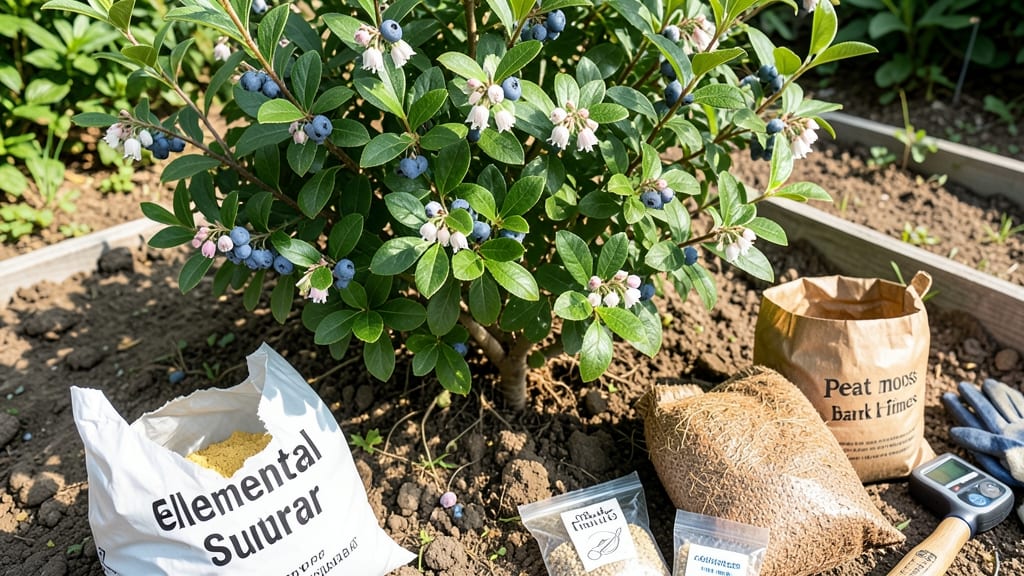
What is added to soil to lower the pH? Gardeners typically use elemental sulfur, aluminum sulfate, or organic amendments like peat moss or pine needles, which gradually acidify the soil through microbial breakdown or chemical reactions.
Elemental sulfur is the most common choice because it releases acid slowly over months, making it ideal for long-term soil adjustments. 🌱 Unlike aluminum sulfate—which dissolves quickly and works within days—sulfur integrates into the soil's natural processes, breaking down into sulfuric acid through microbial activity.
This gradual approach minimizes the risk of over-acidification, which can harm beneficial soil microbes and plant roots. For immediate results, aluminum sulfate is the go-to, but it requires careful monitoring since its fast action can create pH swings.
Organic options like pine needles or coffee grounds offer a gentler, slower solution that also improves soil structure. These materials decompose naturally, releasing acid as they break down, which is perfect for gardeners prioritizing sustainability.
I’ve found that mixing sulfur with organic matter creates the best balance—fast enough to see results but stable enough to prevent pH spikes.
💡 In This Article
- How Sulfur and Aluminum Sulfate Acidify Soil Differently
- Choosing the Right Soil Acidifier for Your Plants
How sulfur and aluminum sulfate acidify soil differently
Elemental sulfur works by undergoing a two-step oxidation process in the soil. First, soil microbes convert it into sulfates, then further oxidation produces sulfuric acid (H₂SO₄), which lowers pH. This transformation takes 2-4 months in warm, moist conditions but can stretch to 6+ months in cooler climates.
The gradual release makes it ideal for large-scale adjustments, like preparing a garden bed for blueberries, which thrive at pH 4.5-5.2. The key advantage is its slow, steady acidification that mimics natural soil processes without shocking plant roots.
Aluminum sulfate, on the other hand, dissolves almost immediately upon contact with water, releasing hydrogen ions (H⁺) that directly lower pH. This chemical reaction happens within 24-48 hours, making it perfect for emergency corrections or small areas needing quick acidification.
However, the rapid release can create temporary pH swings that may stress sensitive plants. For example, applying 10 pounds per 100 square feet can drop pH by 1.0-1.5 points in sandy soils but only 0.5 points in clay-heavy soils due to different water retention rates.
The environmental impact differs significantly: sulfur leaves no harmful residues, while aluminum sulfate can increase soil aluminum levels, which may harm plants at high concentrations. 🌱 Test your soil first—if aluminum levels are already elevated, sulfur is the safer choice.
For instance, hydrangeas (which prefer pH 5.2-5.5) often benefit from sulfur’s gentler approach, while azaleas might tolerate aluminum sulfate’s faster action if applied in split doses.
Soil type plays a crucial role in how these amendments perform. In sandy soils with low organic matter, sulfur oxidizes more quickly because microbes thrive in loose, well-aerated environments. Conversely, clay soils slow down sulfur’s conversion due to poor drainage and lower microbial activity.
Aluminum sulfate’s effectiveness varies too—it works best in well-drained soils where water can carry the dissolved ions deeper into the root zone. For container gardens, aluminum sulfate dissolves faster in 1-2 weeks because pots lack the buffering capacity of in-ground soil.
Consider the plant’s tolerance when choosing. Acid-loving rhododendrons can handle sulfur’s slow release, but delicate orchids might prefer aluminum sulfate’s controlled application. Always mix amendments into the top 6 inches of soil and water thoroughly to activate the chemical reactions.
For organic gardeners, elemental sulfur is the gold standard—it’s non-toxic, long-lasting, and integrates seamlessly with compost-based systems.
Pro tip: If you’re using sulfur, apply it in early spring to give microbes time to work before planting season. For aluminum sulfate, split applications 2-3 weeks apart prevent pH overshoot.
Both methods require patience—soil pH changes aren’t instant, but understanding these processes helps you make informed choices for your garden’s long-term health. 💫