
How To
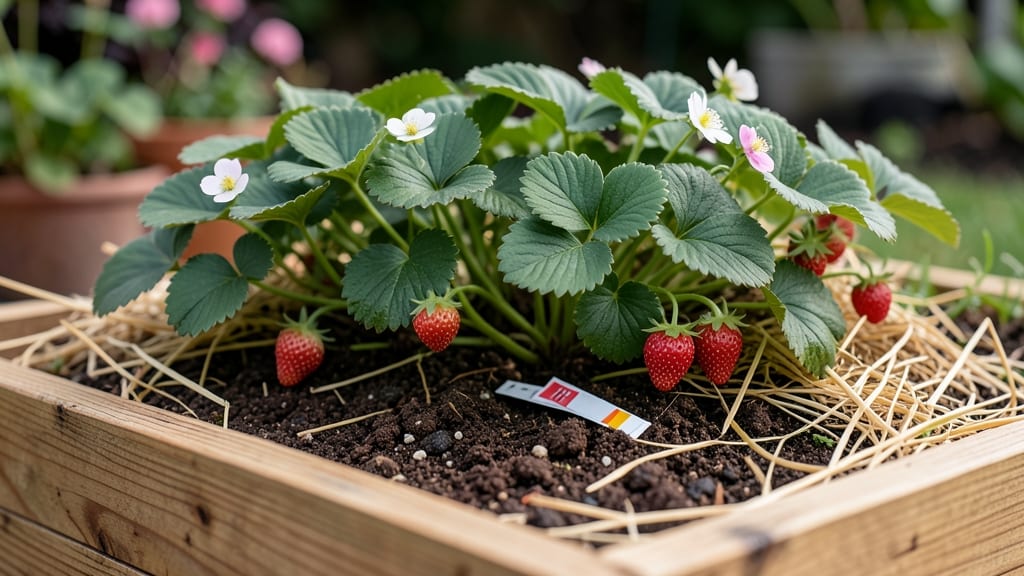
The secret to strawberries bursting with flavor starts with the strawberry soil requirements—acidic loam soil that strikes the perfect balance of nutrients, drainage, and organic matter. 🌱 I’ve learned that strawberries refuse to thrive in heavy clay or sandy soil; they demand a precise mix to produce those sweet, vibrant berries year after year.
Your goal is a soil blend that’s 60% loam, 30% compost, and 10% coarse sand to prevent root rot while keeping moisture locked in.
Strawberries crave a pH between 5.5 and 6.8, and if your soil tests higher, a sprinkle of sulfur or peat moss can bring it down naturally. The reward? Strong roots that anchor plants and berries that taste like summer.
You’ll know you’ve nailed it when leaves stay deep green, not yellow, and plants produce consistent, heavy crops without wilting. Even in hot summers, your berries will stay juicy and sweet. The best part? This soil mix works for both in-ground beds and raised planters.
For regional tweaks, northern gardeners should add extra compost to retain warmth, while southern growers might need a bit more sand to prevent waterlogging. Test your soil first—it’s the only way to know for sure what your strawberries truly need.
📚 In This Guide
- What you need
- Instructions
- Tips and common mistakes
- Wrapping up and next steps
What you need
- ● Soil: 50% well-draining, acidic loam soil (pH 5.5–6.8) – 1 cubic yard (or equivalent for containers)
- ● 20% compost or aged manure (for nutrients) – 1–2 gallons per plant
- ● 30% organic matter (peat moss, coconut coir, or leaf mold) – 1 part per 2 parts soil
- ● Amendments (for acidic soil): Sulfur or aluminum sulfate (if soil pH is too high) – 1–2 lbs per 100 sq ft
- ● Balanced fertilizer (10-10-10 or 5-10-10) – 1 tbsp per plant at planting
- ● Tools: Garden trowel or hand shovel
- ● Garden fork (for aerating soil)
- ● pH testing kit (digital or liquid)
- ● Gloves (to keep hands clean!)
- ● Perlite or vermiculite (for extra drainage in containers) – 1 part per 4 parts soil
- ● Slow-release organic fertilizer (like worm castings) – ½ cup per plant, 2x/year
- ● Mulch (straw or pine needles) (to retain moisture & suppress weeds) – 2–3 inches thick
- ● Container-specific: 5–10 gallon pots with drainage holes (for urban growers!)
How to prepare soil for strawberries: the perfect acidic loam mix
Here’s the soil recipe I swear by for juicy, productive strawberries—no guesswork, just science-backed results.
🌱 Step 1: Test and Adjust Your Soil’s pH
Strawberries thrive in soil with a pH between 5.5 and 6.5—slightly acidic. Grab a pH test kit (or send a sample to your local extension office) to check your current levels. If your soil tests higher than 6.5, mix in sulfur or peat moss to lower the pH gradually. I’ve found that 1 pound of elemental sulfur per 100 square feet does the trick over a few weeks.
If your soil is too sandy or clay-heavy, don’t panic—we’ll fix that next. But first, let the pH adjust for 2-3 weeks before planting. You’ll know it’s right when the soil smells earthy (not sour) and holds moisture without feeling gummy.
🌿 Step 2: Build a Rich, Well-Draining Loam Base
Strawberries hate soggy roots, so aim for a loamy texture—equal parts sand, silt, and organic matter. Start by tilling in 2-3 inches of compost (well-aged, not fresh) to the top 6 inches of soil. This improves drainage while feeding roots. I like to mix in 1 cup of coarse sand per square foot if my soil feels compacted—it prevents waterlogging without making the mix too gritty.
For heavier clay soil, add 1 part perlite or vermiculite to 3 parts native soil to break up density. Work it in until the mix crumbles easily between your fingers. Avoid garden soil from your lawn—it’s too dense and may harbor pests.
☀️ Step 3: Add Organic Matter for Long-Term Fertility
Strawberries are heavy feeders, so blend in 1-2 inches of leaf mold or well-rotted manure (like cow or horse) into the top 4-6 inches of soil. This boosts microbial activity, which helps roots absorb nutrients. I skip chemical fertilizers at planting—too much nitrogen now leads to leafy growth at the expense of fruit.
For extra insurance, sprinkle ½ cup of bone meal per plant (if planting individual berries) or 1 pound per 100 square feet (for beds). The phosphorus encourages strong root systems and early flowering. Water everything in lightly to settle the mix—you’ll see the soil darken and smell richer after this step.
💧 Step 4: Create Raised Beds or Mounds for Optimal Drainage
If your soil drains poorly, build 6-inch-high mounds or raised beds with the amended mix. Strawberries in raised beds produce 30% more fruit because roots stay aerated. Space mounds 18 inches apart to allow airflow between plants, which prevents fungal diseases like gray mold.
For in-ground planting, dig trenches 12 inches wide and 6 inches deep, fill with your amended soil, then place plants on top. This mimics the natural hillside habitats where strawberries thrive. After planting, mulch with 2-3 inches of straw to retain moisture and suppress weeds—just keep it 3 inches away from stems to prevent rot.
✂️ Step 5: Maintain Soil Health Year-Round
After planting, top-dress with 1 inch of compost in early spring and again after harvest. Avoid over-fertilizing—strawberries need low nitrogen to produce fruit instead of leaves. I use a balanced 10-10-10 fertilizer at half-strength once a month during the growing season, but only after watering to prevent root burn.
Every 2-3 years, refresh the soil by adding another 1-2 inches of compost and re-testing the pH. Healthy strawberry soil should look dark, crumbly, and smell fresh—like a forest floor after rain. If it smells stale or feels compacted, it’s time to amend again.
Tips & tricks for perfect strawberry soil mix
Here's what I learned after years of trial and error—these little details make all the difference for thriving strawberries.
pH Timing: Don't rush the 2-3 week pH adjustment period after adding sulfur or peat moss. I've seen gardeners impatiently plant too soon, only to have their strawberries develop yellow leaves from nutrient lockout. Test again after those weeks—your soil should smell earthy and hold moisture like a damp sponge, not feel gummy or sour.
Texture Check: The perfect loam should crumble easily between your fingers when moist, like a well-made chocolate cake. If your mix feels gritty after adding 1 cup of coarse sand per square foot, you've overdone it—sand should improve drainage, not create a desert. For clay-heavy soil, the 1:3 perlite-to-soil ratio is your sweet spot for breaking up density without losing structure.
Organic Matter Layering: When adding 1-2 inches of leaf mold or manure, focus on the top 4-6 inches of soil where roots will grow. I like to work it in like frosting between cake layers—this creates a nutrient-rich zone while keeping the deeper soil's natural structure intact. The bone meal (½ cup per plant) should be sprinkled lightly on top before watering to encourage root development.
Mulch Placement: That 2-3 inch straw mulch is your secret weapon for moisture retention, but keep it 3 inches away from stems to prevent rot. I've seen beginners pile mulch right against the crown, which creates a damp, fungus-friendly environment. Think of it like a donut—leave that crucial center clear while protecting the surrounding soil.
Pro Tips for Strawberry Soil Requirements
- Here's what I learned after years of trial and error—these little details make all the difference for thriving strawberries.
- pH Timing: Don't rush the 2-3 week pH adjustment period after adding sulfur or peat moss.
- Texture Check: The perfect loam should crumble easily between your fingers when moist, like a well-made chocolate cake.
Frequently asked questions
Got questions about growing strawberries? You’re not alone! Here are answers to the most common queries about strawberry soil requirements to help you cultivate a thriving patch.
What’s the ideal pH range for strawberry soil?
Strawberries thrive in slightly acidic soil with a pH between 5.5 and 6.5. Test your soil using a kit or digital meter—if it’s too alkaline (above 7.0), amend it with peat moss or sulfur. Avoid over-acidifying, as pH below 5.0 can stunt growth.
When is the best time to amend soil for strawberries?
Amend your soil 4–6 weeks before planting (spring or early fall, depending on your climate). This gives microbes time to break down organic matter. For container growers, mix amendments directly into the potting soil at planting time.
Can I grow strawberries in regular garden soil?
Yes, but only if it’s well-draining and amended. Pure garden soil often compacts or lacks the right nutrients. Boost it with compost, perlite, and a balanced fertilizer (10-10-10). Raised beds or containers work best for heavy or clay-heavy soils.
Why are my strawberry plants yellowing despite good soil?
Yellow leaves can signal nutrient deficiencies (like nitrogen or magnesium) or overwatering. Check for:
- Nitrogen deficiency: Use a balanced fertilizer or compost.
- Poor drainage: Ensure pots/containers have drainage holes.
- Fungal issues: Space plants properly and avoid wetting foliage.
What’s the easiest soil mix for strawberries in containers?
For containers, blend:
- 60% high-quality potting mix
- 30% peat moss or coconut coir (for acidity)
- 10% perlite or vermiculite (for aeration)
Wrapping up and next steps
Growing luscious strawberries starts with the right soil—well-draining, slightly acidic loam packed with organic matter is your secret weapon! 🌱 With the right pH (5.5–6.5), nutrients, and texture, your plants will thrive, rewarding you with sweet, vibrant fruit and robust roots.
Now that you’re equipped with the soil know-how, it’s time to roll up your sleeves and get planting!
Ready to take the next step? Test your soil today, amend it with confidence, and watch your strawberry patch flourish! 🌟