
Orchid Care
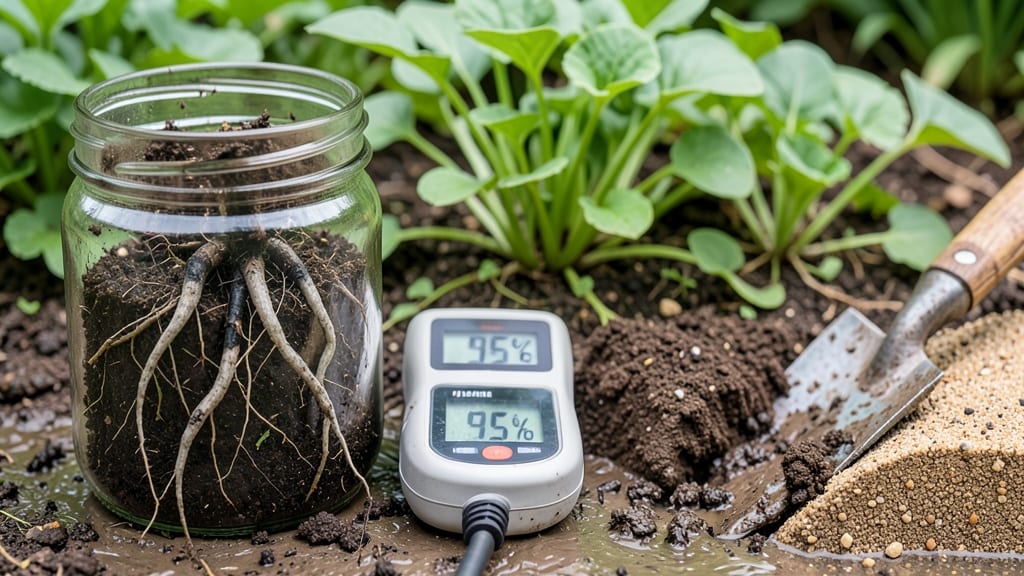
When orchid roots turn mushy and refuse to dry, you're dealing with soil water logging—the silent killer that suffocates roots and stunts growth.
I’ve nursed back more than a dozen orchids from this exact problem, and the secret isn’t just cutting back on water—it’s giving those roots room to breathe again. The moment I noticed yellowing leaves and a sour smell, I knew it was time to act before the roots rotted completely.
Water logging happens when drainage fails—whether from heavy clay soil, compacted pots, or overzealous watering. Orchids hate soggy roots, and once they’re trapped in waterlogged conditions, they start to suffocate.
The fix isn’t complicated: improve airflow by amending the mix with perlite or bark, repot into a container with drainage holes, and adjust your watering routine to let the top inch dry out before adding more. Trust me, your orchid will reward you with fresh growth within weeks.
You’ll see the difference immediately after the first repotting—roots that were once limp and gray will perk up, turning a healthy green as they start to photosynthesize again.
The key is consistency: keep the mix slightly moist but never soggy, and within a month, your orchid will be back to thriving. No more wilting leaves or that dreaded rot smell—just strong, aerated roots ready to bloom.
This method works for other moisture-sensitive plants too, like calatheas or ferns, so you can apply the same principles across your collection. The goal is to mimic their natural environment—damp but never waterlogged.
Once you’ve mastered it, you’ll spot the early signs before they become a bigger problem, keeping your orchids (and your sanity) intact.
The Hidden Triggers Behind Soggy Roots
Orchids are delicate dancers—thriving on balance, but crashing when their roots drown in excess moisture. Understanding why water pools around their roots (and stays there) is the first step to saving your orchid from a waterlogged fate. Let’s dig into the science behind these sneaky causes.
🌧️ Poor Drainage in Containers
Orchids hate sitting in standing water, yet many growers unknowingly trap moisture in their pots. Here’s how it happens:
- Compacted or Non-Porous Pots: Terra cotta is a classic for a reason—it breathes. But plastic or glazed pots act like waterproof vaults, preventing excess moisture from escaping. Even "orchid-specific" pots with slits can fail if the slits are too small or clogged with debris.
- Missing or Blocked Drainage Holes: A single hole at the bottom isn’t enough; orchids need multiple exit points for water. If holes are covered by root mass, moss, or mineral buildup (like from tap water), water has nowhere to go but up—straight to the roots.
- Improper Potting Mix: Bark, sphagnum moss, and perlite are essential for aeration, but if the mix is too fine (like peat-heavy blends) or packed too tightly during repotting, it behaves like a sponge—holding water instead of releasing it.
💡 Pro Tip: Test your pot’s drainage by filling it with water and tilting it. If water pools for more than 10 seconds, it’s a red flag. Repot into a container with at least 3 drainage holes and a chunky, airy mix.
💧 Overwatering or Irregular Watering Habits
Orchids are epiphytes—they’re used to brief, frequent rain showers followed by dry spells. When growers overcompensate for dryness, roots suffocate. Here’s the breakdown:
- Watering on a Schedule: Orchids don’t follow calendars. Watering every 7 days (or worse, "when the pot feels light") can lead to chronic sogginess, especially in humid climates or during winter when evaporation slows.
- Using Ice Cubes or Cold Water: Chilling the roots shocks them and reduces their ability to absorb oxygen. Cold water also compacts the potting mix, trapping air pockets—and water—like a sealed jar.
- Not Letting the Mix Dry Between Waterings: Stick your finger 1-2 inches into the mix. If it’s damp, wait. If it’s bone-dry, you’ve likely underwatered (and may need to adjust your routine).
🌡️ Science Note: Orchid roots need oxygen to thrive. Water displaces air, creating anaerobic conditions where harmful bacteria and root rot thrive. Think of it like holding your breath underwater—eventually, your roots "drown" too.
🏡 Environmental Factors You Can’t Control (Yet)
Sometimes, water logging is a victim of the orchid’s surroundings. These factors turn your careful watering routine into a losing battle:
- High Humidity Without Airflow: Humidity above 70% + stagnant air = a recipe for moisture buildup. Orchids need movement (like a gentle fan) to evaporate excess water from the mix.
- Low Light Levels: Weak light reduces transpiration (the plant’s natural water-evaporation process). In dim rooms, orchids drink less but still need the same drainage—leading to waterlogged roots.
- Seasonal Changes: Winter’s cooler temps slow evaporation, while summer’s heat can cause rapid drying. Adjust your watering frequency seasonally, not just by feel.
✨ Fix It: Place orchids near a dehumidifier or exhaust fan (but avoid direct drafts). For low-light spots, supplement with a grow light to boost transpiration.
🌱 Root Bound or Aging Potting Mix
Even with perfect watering, roots can become trapped in a cycle of waterlogging if they’re physically restricted or the mix breaks down over time.
- Circling Roots: When roots grow in tight loops around the pot, they block drainage holes and create dead zones where water pools. This is common in orchids kept in the same pot for years.
- Decomposed Potting Mix: Bark chips and moss break down into a dense, water-retentive sludge. After 2–3 years, repot into fresh mix to restore aeration.
- Overcrowded Roots: If your orchid has outgrown its pot, roots compete for space and oxygen, worsening waterlogging. Look for roots circling the pot’s edge or poking out of drainage holes.
🔪 Action Step: Gently remove the orchid from its pot and tease apart circling roots before repotting. Trim dead roots with sterilized scissors and refresh the mix every 2–3 years.
Now that you know the villains, the next step is turning the tide with aeration and smart care. Your orchid’s roots will thank you!
Fixing Soggy Roots for Happy Orchids
Orchids are delicate beauties that thrive when their roots get just the right amount of air and moisture—not too much, not too little. If your orchids are suffering from waterlogged soil, don’t panic! With the right fixes, you can revive their roots and get them back to blooming health.
Below, we’ll break down the most common causes of waterlogging and the practical solutions to fix (and prevent) them.
Cause: Orchids need fast-draining media to prevent root rot. If your soil or pot doesn’t allow excess water to escape, roots suffocate.
Fix:
- Repot into a breathable mix 🌱 Swap heavy garden soil for a chunky, airy orchid mix (like bark, perlite, or sphagnum moss). Avoid peat-heavy blends—they hold too much moisture. Pro Tip: Add charcoal chunks (10-20%) to prevent bacterial growth in damp soil.
- Upgrade to pots with drainage holes 🕳️ Terracotta, plastic, or even slotted baskets work—just ensure water can escape. If repotting isn’t an option, drill holes in the bottom of sealed containers.
- Elevate pots 🏗️ Place pots on feet or a saucer with pebbles to keep the base off standing water. This mimics their natural epiphytic (tree-dwelling) habitat.
Cause: Orchids hate "wet feet." Overwatering—especially without drying periods—drowns roots.
Fix:
- Water only when the top inch is dry 📏 Stick your finger in the soil. If it’s damp, wait. If it’s bone-dry, water thoroughly until it drains from the bottom. Then empty the saucer! Stagnant water = root rot.
- Switch to bottom-watering 🚰 Place the pot in a tray of water for 5-10 minutes, then remove. This encourages roots to absorb what they need without soggy centers.
- Use a spray bottle for humidity-loving types 💧 Some orchids (like Phalaenopsis) prefer misting over soaking. Test this if your mix stays damp too long.
Cause: High humidity + poor airflow = fungal/bacterial infections. Orchids need movement to dry out.
Fix:
- Boost ventilation 🌬️ Place orchids near a fan on low (3-4 hours/day) to mimic wind. Avoid direct drafts, though—like cold AC vents.
- Space plants apart 📏 Crowded pots trap moisture. Give each orchid 2-3 inches of clearance for airflow.
- Wipe leaves regularly 🧻 Dust and debris block pores, making plants more prone to rot. Use a damp cloth to gently clean leaves weekly.
Cause: If roots turn mushy, black, or smell foul, rot has set in. Don’t wait!
Fix:
- Trim the damage ✂️ Sterilize scissors with rubbing alcohol, then snip away black, squishy roots. Healthy roots are firm and green (or silver-gray for Cattleyas).
- Disinfect the plant 🧴 Soak roots in 1:10 hydrogen peroxide solution (or fungicide like Serenade) for 10 minutes to kill pathogens.
- Repot in fresh, dry mix 🏡 Use a new pot (never reuse one with old rot). Air-dry the plant for 24-48 hours before watering lightly.
- Monitor light levels 🌞 Too little light = weak growth; too much = crispy roots. Aim for bright, indirect light (east or north windows are ideal).
- Rotate pots monthly 🌀 Ensures even light exposure and prevents one-sided growth (which can block airflow).
- Seasonal adjustments ⏳ In winter, reduce watering (plants dormancy). In summer, check soil daily if humidity is high.
Final Thought: Orchids are resilient! With these fixes, you’ll see new root growth in 2-4 weeks and blooms back on schedule. 🌸 Start with one change (like repotting or adjusting watering), then build from there. Your orchids will thank you!
Frequently asked questions
Why do my orchid roots turn black and mushy?
Black, mushy roots are a classic sign of root rot from waterlogging. Orchid roots need oxygen, and when they sit in soggy conditions for too long, they suffocate and decay. This usually happens when drainage fails—whether from poor potting mix, blocked drainage holes, or overwatering. Act fast by trimming the affected roots and repotting in a fresh, chunky mix with perlite or bark.
Can I save an orchid with waterlogged roots?
Yes! Start by removing the orchid from its pot and gently rinsing away the old mix. Trim all black, squishy roots with sterilized scissors, then soak the remaining healthy roots in a 1:10 hydrogen peroxide solution for 10 minutes to kill bacteria. Repot in a fresh, airy mix and hold off on watering for 2-3 days to let the roots recover. With proper care, new roots should appear within 2-4 weeks.
How often should I water orchids to prevent waterlogging?
Orchids thrive on the \"soak and dry\" method—water thoroughly until it drains from the bottom, then wait until the top 1-2 inches of mix feel dry. In summer, this might mean watering every 5-7 days, while winter slows evaporation, so you may only need to water every 10-14 days. Always empty saucers after watering to prevent standing water.
What’s the best potting mix for orchids to avoid waterlogging?
Avoid heavy garden soil—orchids need a chunky, fast-draining mix like 50% bark, 30% perlite/pumice, and 20% sphagnum moss. This combo mimics their natural epiphytic habitat by allowing airflow while retaining just enough moisture. Add charcoal chunks (10-20%) to prevent bacterial growth in damp conditions.
Will a fan help my orchid recover from waterlogging?
Orchids need airflow to dry out, especially after watering. Place a fan on low speed near your orchid for 3-4 hours daily to mimic natural wind and speed evaporation. Just avoid direct drafts (like cold AC vents), which can stress the plant. This helps prevent fungal infections and speeds up recovery by keeping roots aerated.