
How To
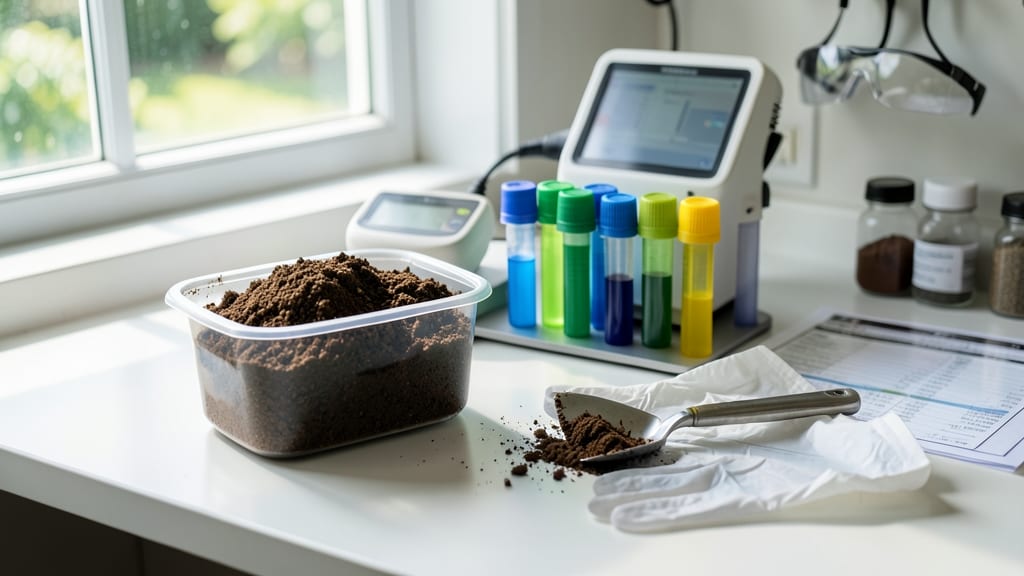
A soil test for toxins identifies dangerous substances like heavy metals (lead, arsenic), pesticides, or industrial pollutants that threaten plant health and human safety. Professional labs provide detailed analysis, while home kits screen for common contaminants.
Testing your soil for toxins isn't just about plants—it's about protecting your family and future harvests.
Heavy metals like lead or arsenic can accumulate over time from old paint, industrial runoff, or even fertilizers, while pesticides may linger for years. 🌱 I always recommend starting with a lab test if you suspect contamination, as home kits often miss subtle but dangerous levels.
The results will tell you whether you need to remediate the soil or adjust your gardening practices.
Even if your soil tests clean, regular monitoring is wise, especially in urban areas or near former industrial sites. Some toxins, like PFAS ("forever chemicals"), aren't always on standard tests but can still pose risks. Always pair testing with proper safety gear when handling potentially contaminated soil.
💡 In This Article
- Common Toxins Found in Soil and Their Risks
- How to Choose the Right Soil Toxicity Test Kit
Common toxins found in soil and their risks
Soil toxins fall into three main categories: heavy metals, chemical pollutants, and microbial hazards, each with distinct sources and health impacts. Heavy metals like lead (from old paint or batteries) and arsenic (from industrial waste or natural deposits) accumulate over decades, often invisible until plants absorb them.
These metals interfere with plant nutrient uptake, stunting growth or causing leaf discoloration—think yellowing stems or stunted roots in severe cases. 🔥
Chemical pollutants include pesticides (like glyphosate or atrazine), herbicides (such as 2,4-D), and industrial solvents that persist in soil for years. These compounds break down slowly, often entering the food chain through edible plants.
For example, chlorpyrifos, a common insecticide, has been linked to neurological issues in children even at low exposure levels. The Environmental Protection Agency (EPA) sets strict limits for these chemicals in soil, but many home tests miss them entirely.
Microbial hazards, like E. coli or salmonella, typically originate from animal waste or improper composting. While less common in garden soil, they pose serious risks when handling raw produce. The danger lies in cross-contamination—even clean soil can harbor pathogens if contaminated water or manure is used nearby.
Always wear gloves when working with soil from unknown sources, especially in urban areas where runoff from sewer systems may introduce these microbes.
What makes these toxins particularly insidious is their bioaccumulation—the process where concentrations increase as they move up the food chain. For instance, a carrot grown in lead-contaminated soil may contain trace amounts, but a rabbit eating those carrots could accumulate higher levels.
Over time, this becomes a health risk for both animals and humans. 💛 The key is understanding your soil's history—urban gardens near highways or old factories, for example, are higher-risk areas.
Professional labs use inductively coupled plasma mass spectrometry (ICP-MS) to detect heavy metals at parts-per-billion levels, while home kits often rely on colorimetric tests that change based on chemical reactions. The difference? Lab tests can identify cadmium (from phosphate fertilizers) or mercury (from industrial spills), which home tests frequently overlook.
Always check what your test covers—some only screen for lead and arsenic, ignoring other critical pollutants.
If your soil tests positive, don't panic. Many toxins can be mitigated through soil remediation techniques, like adding organic matter to bind metals or using specific plants (phytoremediation) to absorb contaminants.
For example, sunflowers are known to extract heavy metals from soil, while composting with high-carbon materials (like wood chips) can help neutralize some chemical pollutants over time. 🌱