
Planting
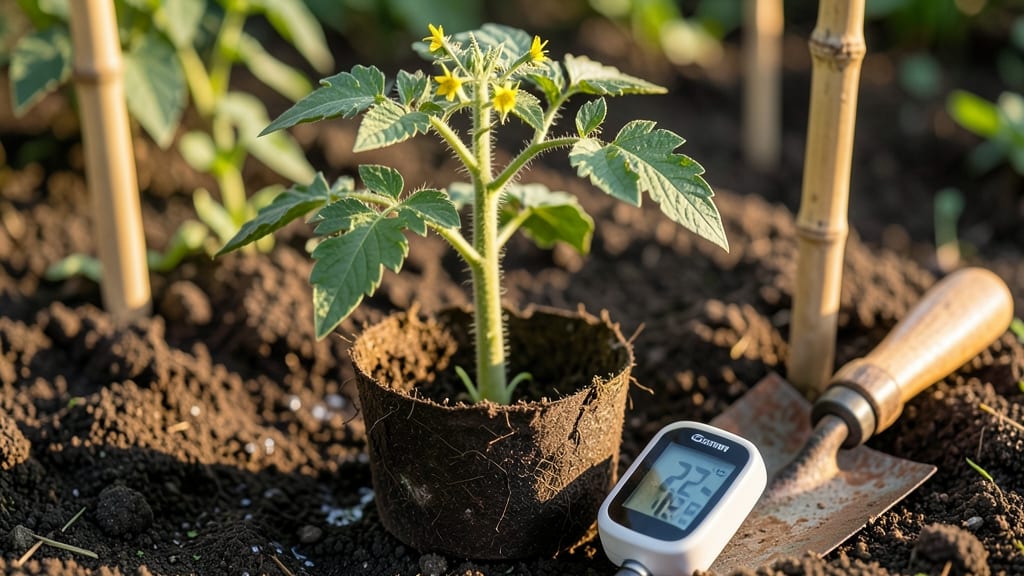
Transplanting tomatoes in soil that’s too cold can leave your plants struggling and stunted, but hitting the right temperature unlocks fast, healthy root growth and a bigger harvest.
Picture this: you’ve nurtured your seedlings indoors, and now they’re ready for the garden—only to see them wilt or rot because the soil was still chilly. That’s why knowing the ideal soil temperature for transplanting 🍅 is the key to giving your plants the best start.
In most regions, including Zone 6a, soil should be at least 55–60°F before you transplant, with 65–75°F being the sweet spot for rapid root establishment. Too cold, and growth slows; too hot, and roots can get stressed.
Below, I’ll walk you through how to measure soil temperature, adjust it for your climate, and avoid common mistakes that can derail your tomato’s success—so you can enjoy a thriving plant (and plenty of fruit) all season long.
Optimal soil temperature ranges for transplanting tomatoes by region
Transplanting tomatoes into soil that's too cold can shock their delicate roots, while soil that's too warm may dry out seedlings before they establish. The ideal soil temperature range for transplanting tomatoes is 65-75°F, but even 50-60°F is the absolute minimum for safe transplanting.
These ranges ensure your tomato plants develop strong roots quickly, setting the stage for a productive harvest. Regional differences play a huge role—Northern climates often require waiting longer than Southern gardens, where warmer soils arrive earlier in spring.
Understanding your local climate zone helps you time transplants perfectly. For example, in USDA Zones 3-5, where frost lingers later, you might not hit 60°F soil until late May or early June. Meanwhile, gardeners in Zones 7-10 can often transplant as early as March or April.
The key is balancing soil warmth with air temperature—your tomatoes need both to thrive. Let’s break down the specifics by region so you can avoid common pitfalls like stunted growth or disease susceptibility.
| Region/Zone | Minimum Safe Temp (°F) | Optimal Temp (°F) | Typical Transplant Window | Adjustment Tips |
|---|---|---|---|---|
| Northern (Zones 3-5) | 50-55°F | 65-70°F | Late May–June | Use black plastic mulch 2 weeks before transplanting |
| Midwest (Zones 6-7) | 55-60°F | 68-72°F | Mid-April–May | Wait for night temps above 50°F consistently |
| Southern (Zones 8-10) | 60-65°F | 70-75°F | February–March | Use shade cloth if temps exceed 85°F |
| Desert/Sw (Zones 9-11) | 65°F+ | 75-80°F | January–February | Plant in late afternoon to avoid midday heat stress |
Measuring soil temperature accurately is easier than you think. Use a soil thermometer, which looks like a long probe with a digital or analog display. Insert it 4-6 inches deep—this mimics the depth where tomato roots will establish.
Check temperatures in the late afternoon when soil is warmest, as morning readings can be misleadingly cool. Pro tip: If your soil thermometer isn’t available, press your finger into the soil; if it feels lukewarm to warm (like a hot cup of tea), it’s likely in the ideal range.
In Northern climates, where soil warms slowly, I recommend starting seedlings indoors 6-8 weeks before your target transplant date. This gives you a head start and allows you to harden off seedlings gradually as outdoor soil temperatures rise.
For Southern regions, where soil can warm too quickly, consider using shade cloth or drip irrigation to prevent soil from overheating. Overheated soil can stress seedlings, making them more susceptible to blossom end rot later in the season.
One common mistake is relying on air temperature alone. Just because the thermometer outside reads 70°F doesn’t mean your soil is ready. Soil heats up more slowly and retains cold longer, especially in clay-heavy or shaded areas.
To test readiness, dig a small hole (6 inches deep) and feel the soil. If it’s below 55°F, your tomatoes will struggle to establish roots. In these cases, use black plastic mulch or straw mulch to warm the soil faster—this can raise temperatures by 5-10°F within a week.
For container-grown tomatoes, soil warms even faster than in-ground soil, so you can transplant 1-2 weeks earlier than in garden beds. However, containers also dry out quicker, so monitor moisture closely. If you’re using pots, choose dark-colored containers to absorb more heat and add compost to improve water retention.
Remember, root development is the foundation of a successful tomato harvest, and warm soil is the secret ingredient to getting those roots off to a flying start.
If you’re in a transition zone (Zones 6-8), pay attention to nighttime temperatures
How to adjust soil temperature for faster tomato root establishment
Getting your soil temperature just right before transplanting tomatoes is the secret to strong root establishment. Cold soil slows growth while overheated soil stresses seedlings—both can lead to poor yields or even plant failure. The key is balancing warmth for root development without shocking tender seedlings.
I’ve found that tomato roots thrive when soil reaches 65-75°F (18-24°C), but regional climates can make this tricky. In cooler zones, you’ll need to warm the soil first, while in hot areas, you might need to protect seedlings from heat stress.
Let’s explore practical ways to adjust your soil’s temperature for the best results.
- 1 Use black plastic mulch to raise soil temperature by 5-10°F in 2-3 weeks. Lay it down 2 weeks before transplanting for best results.
- 2 Cover rows with floating fabric to warm soil 3-5°F faster while protecting seedlings from wind and cold snaps. Remove during the day for sunlight.
- 3 Apply shade cloth (30-50%) in hot climates to prevent soil from exceeding 85°F (29°C), which can burn roots. Use drip irrigation to keep soil moist.
- 4 Check soil readiness by looking for dark, crumbly soil that holds moisture but isn’t soggy. Press your finger in—if it feels warm to the touch, it’s ready.
- 5 Hardening off seedlings for 7-10 days before transplanting helps them adapt to temperature shifts. Gradually expose them to outdoor conditions during the day.
One of my biggest mistakes was transplanting tomatoes into cold soil because I rushed the season. The seedlings struggled for weeks, and I lost 30% of my plants to slow growth. Since then, I’ve made it a rule to test soil temperature daily in the week leading up to transplanting.
A simple soil thermometer (just $10) is a game-changer—it tells you exactly when the soil is ready.
If your soil is still too cold, try planting in raised beds or using straw bales as a warm, insulated medium. These methods can add 10-15°F of warmth compared to regular garden soil. For hot climates, focus on evening watering to cool the soil gradually without shocking the plants.
Watch for these 3 signs your soil is ready: dark, moist but not wet soil, warm to the touch, and seedlings with deep green leaves (not yellow or wilted).
Once you see these cues, it’s time to transplant—your tomatoes will reward you with faster root growth and a bigger harvest.