
Propagation
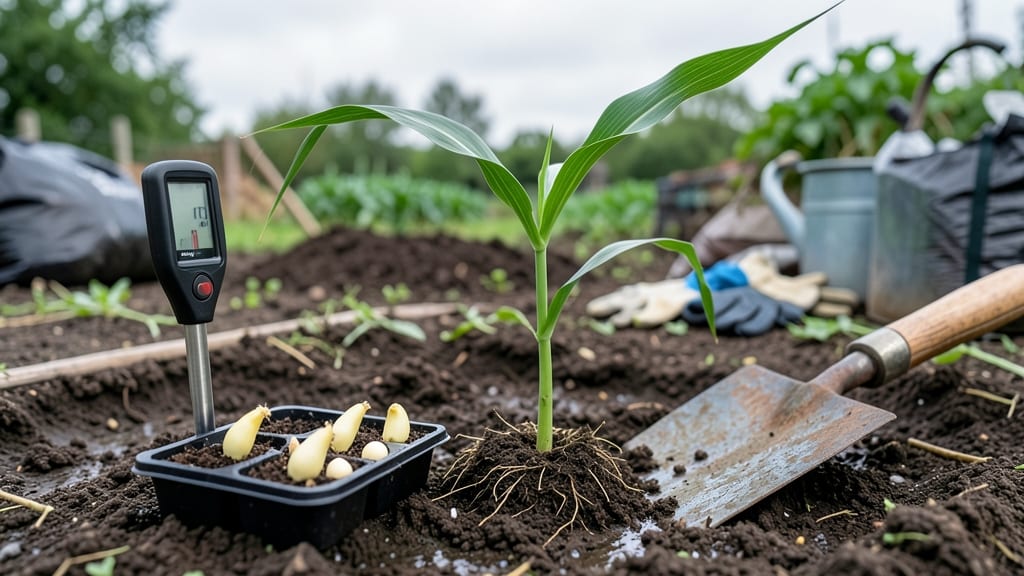
The right soil temp for corn germination—between 60°F and 90°F—makes all the difference: too cold and seeds rot, too hot and they dry out before emerging. 🌱 I’ve learned this the hard way after watching seeds sit stubbornly underground for weeks, only to finally crack when temperatures finally cooperated. The magic window for fast germination? 70°F to 85°F, where roots push through soil in 5-10 days instead of dragging out for weeks.
Measuring soil temp is easier than you’d think—just grab a cheap soil thermometer (or bury a candy thermometer in a cup of soil) and check it in the morning.
Northern gardeners should wait until after last frost when soil warms consistently, while Southern growers can plant earlier but must protect seeds from sudden heat spikes. A black plastic mulch or row covers can shave weeks off the wait in cooler climates.
When conditions are right, you’ll see tiny white roots breaking through the soil crust within days, followed by the first green shoots. The payoff? Sturdy, disease-resistant plants that outpace anything from a seedling tray. Even if you’ve struggled with slow starts before, this method turns guesswork into a predictable timeline.
For troubleshooting, cold soil means waiting—never force seeds into chilly ground. If seeds sprout but flop over, they’ve outgrown their roots; thin seedlings to 12 inches apart to give them room.
And remember: corn’s short window for planting means getting the temp right is half the battle—the other half is patience and a good thermometer.
📚 In This Guide
- What you need
- Instructions
- Tips and common mistakes
- Wrapping up and next steps
What you need
- ● Corn seeds: Choose high-quality, fresh seeds (e.g., sweet corn, field corn, or popcorn). Aim for 1–2 seeds per planting spot (depth: 1–1.5 inches).
- ● Soil thermometer: A digital or analog probe-style thermometer (accuracy: ±1°F) to monitor soil temp at 2-inch depth.
- ● Well-draining soil: Loamy or sandy loam soil with a pH of 6.0–7.5. Pre-mix with compost for nutrients (ratio: 3 parts soil : 1 part compost).
- ● Watering can or hose: With a fine mist setting to avoid displacing seeds.
- ● Garden gloves: To protect hands while handling soil/seeds.
- ○ Seedling heat mat (optional): For cooler climates (50–60°F soil), use a mat rated for 70–80°F.
- ○ Row cover or plastic mulch (optional): Traps heat (warms soil 5–10°F faster) and retains moisture.
- ● Planting marker flags: Label rows if testing multiple soil temps.
- ● Fertilizer (balanced 10-10-10 or compost tea): Apply 1 tbsp per planting hole at sowing.
- ● Shovel or trowel: For digging planting holes (1.5-inch depth).
How to monitor and optimize soil temperature for corn germination
Germination speed depends more on soil warmth than you might think—here's how to hit the sweet spot for reliable sprouting.
🌱 Step 1: Understand Corn's Ideal Temperature Range
Sweet corn seeds germinate fastest when soil reaches 60-65°F, with 75-85°F being the absolute sweet spot for rapid sprouting. Below 50°F, germination slows dramatically, and seeds may rot before emerging. I always check soil temperature with a soil thermometer placed 2 inches deep—that's where the seeds will be.
Here's the thing—corn's early growth is sensitive. If temperatures drop below 55°F after germination, seedlings may develop weak stems that flop over. The key is consistency: maintain 60°F or warmer for at least 10 days before planting to ensure strong root development.
☀️ Step 2: Time Planting for Natural Soil Warmth
Corn thrives when planted after the last frost but before summer heat sets in. In most climates, this means late April to early June. I wait until morning soil temps consistently reach 60°F—that's when I know the seeds will sprout within 7-10 days. Use a soil thermometer for 3-5 days to confirm trends before planting.
If your spring stays cool, consider using black plastic mulch to warm the soil by 5-10°F. Lay it down 2 weeks before planting to give the ground time to heat up. The mulch also suppresses weeds and retains moisture—three benefits in one.
💧 Step 3: Adjust Watering to Maintain Optimal Heat
Watering affects soil temperature more than you'd expect. Overwatering cools the soil, while dry conditions can cause rapid temperature swings. Aim to keep the top 6 inches of soil evenly moist but not soggy. I water deeply every 2-3 days during germination, checking that the soil feels like a damp sponge—not dripping wet.
Morning watering is best—it gives the sun time to warm the soil throughout the day. If you notice condensation on the soil surface after watering, you're overdoing it. The goal is warm, stable soil, not a swampy seedbed.
⏰ Step 4: Use Heat Mats or Row Covers for Early Planting
For early spring planting, I use seedling heat mats under raised beds to maintain 70-75°F soil temps. These plug into standard outlets and raise soil warmth by 10-15°F—perfect for extending the growing season. For in-ground planting, floating row covers trap radiant heat during the day while allowing air circulation at night.
Don't skip this if you're planting early. I once tried planting corn in 52°F soil and only got 30% germination. The same seeds in 68°F soil sprouted within 5 days. That's the difference heat makes.
🌿 Step 5: Monitor and Troubleshoot Temperature Issues
Watch for uneven germination—if some seeds sprout but others don't, your soil temperature may be too cold or inconsistent. I check for cold spots by pressing my hand into the soil. If it feels chilly to the touch, that's your warning sign.
If germination stalls after 14 days, the soil may be too cold or too wet. Gently dig up a few seeds to check—if they're soft or moldy, they've rotted from poor conditions. In this case, replant in warmer soil and use a soil fungicide to prevent damping-off.
Tips & tricks for perfect corn germination conditions
Getting your corn seeds to sprout reliably comes down to mastering one critical factor—soil temperature. These precision tips will help you avoid common pitfalls and maximize your germination success.
Precision Temperature Monitoring: The ideal range of 60-65°F is your target zone, but don't just guess—use a soil thermometer placed 2 inches deep where your seeds will be. I've seen dramatic differences between surface temps and deeper readings, sometimes varying by 10°F or more. Check temperatures at the same time each morning for consistency, especially if you're planting early in cool springs. The 75-85°F sweet spot speeds up germination by nearly 50%, but only maintain these temps for 7-10 days before planting to prevent seedling stress.
Heat Mat Strategy for Early Planting: If you're pushing the season's limits, seedling heat mats are a game-changer. They boost soil warmth by 10-15°F, letting you plant 2-3 weeks earlier than traditional schedules. I've extended my growing season by nearly a month using these under raised beds. For in-ground planting, floating row covers work wonders too—they trap radiant heat during the day while allowing nighttime air circulation. The key is consistency: maintain those 70-75°F temps for at least 10 days before planting to ensure strong root development.
Watering Technique for Temperature Stability: Here's what nobody tells you—watering affects soil temperature more than you'd expect. Overwatering cools the soil dramatically, while dry conditions create temperature swings that stress seeds. I water deeply every 2-3 days during germination, focusing on the top 6 inches of soil. The goal is a "damp sponge" texture—not dripping wet. Morning watering is critical: it gives the sun time to warm the soil throughout the day, preventing the chilling effect of evening moisture. If you notice condensation after watering, you're overdoing it.
Cold Spot Detection: Uneven germination often points to temperature inconsistencies. I check for cold spots by pressing my hand into the soil—if it feels chilly to the touch, that's your warning sign. These spots can occur near large rocks, deep shade areas, or where water pools after rain. For early planting, I always test multiple locations in my garden beds before committing to a planting plan. Remember, seeds in 52°F soil may only germinate at 30% efficiency, while the same seeds in 68°F soil sprout within 5 days. That's the difference proper monitoring makes.
Pro Tips for Soil Temp For Corn Germination
- Getting your corn seeds to sprout reliably comes down to mastering one critical factor—soil temperature.
- Precision Temperature Monitoring: The ideal range of 60-65°F is your target zone, but don't just guess—use a soil thermometer placed 2 inches deep where your seeds will be.
- Heat Mat Strategy for Early Planting: If you're pushing the season's limits, seedling heat mats are a game-changer.
Frequently asked questions
What’s the fastest soil temperature for corn germination?
Corn germinates fastest in soil temperatures between 75–95°F (24–35°C). At these temps, seeds typically sprout in 5–10 days. Cooler soils slow germination, while extreme heat can stress seedlings. Use a soil thermometer to monitor and adjust planting timing!
How long does corn take to germinate in cooler soil?
If soil temps drop below 50°F (10°C), germination can take 2–3 weeks—or even fail. Sweet corn, in particular, struggles below 60°F (15°C). For cooler climates, use black plastic mulch or plant deeper (1.5–2") to reach warmer layers.
Can I speed up germination with heat mats or row covers?
Heat mats raise soil temps by 10–15°F, while row covers (like floating fabric) trap warmth. For best results, combine them with warmer soil (above 60°F) and keep moisture consistent. Avoid overheating—ideal range is 80–85°F (27–29°C).
Why did my corn seeds rot instead of sprouting?
Overwatering or cold, soggy soil causes seeds to rot. Ensure drainage and wait until soil is warm and dry enough to crumble before planting. If seeds feel mushy when pressed, they’re drowning—adjust irrigation and improve soil structure with compost.
Does soil temperature affect corn variety differently?
Yes! Sweet corn (like Silver Queen) needs 60–70°F (15–21°C) to sprout, while field corn tolerates cooler temps (50°F/10°C). Check your variety’s minimum germination temp on the seed packet. Early-season varieties often handle cooler soils better.
Wrapping up and next steps
Understanding soil temperature for corn germination is your first step toward a thriving crop! 🌱 The ideal range of 50–95°F (10–35°C) ensures fast, uniform sprouting, while cooler soils delay growth. With the right tools—like a soil thermometer and proper bed prep—you’re already ahead of the game.
Now that you’re armed with the knowledge, take action! Test your soil’s warmth before planting, and don’t hesitate to adjust with mulch or row covers if needed. Happy planting—your corn is waiting for you! 🚜✨