
Plants
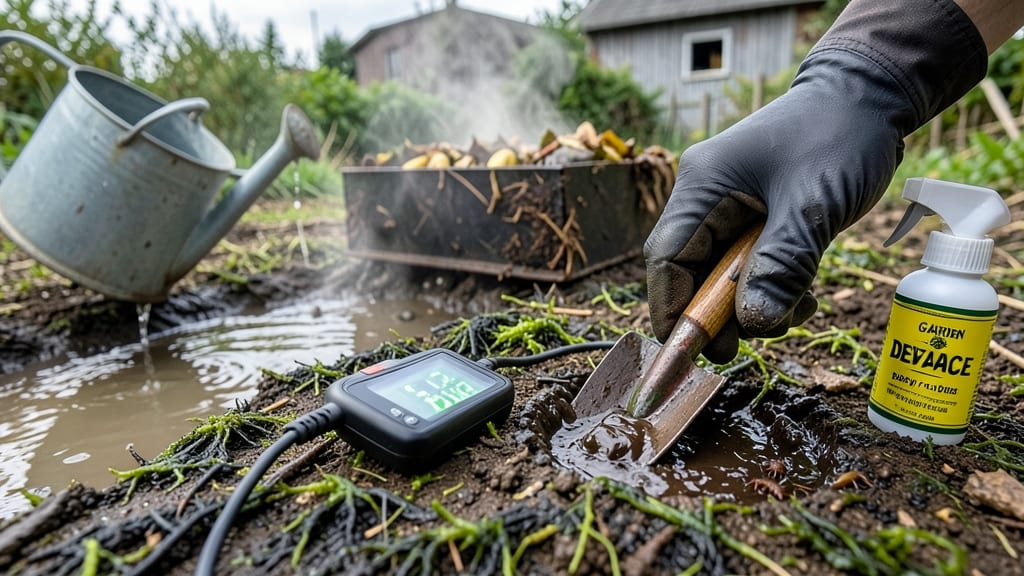
Your soil smells like sewage because something’s gone horribly wrong underground—anaerobic conditions, overwatering, or too much rotting organic matter are the usual culprits. 🌱 I’ve had this stinky situation twice, and both times, it was a wake-up call to fix drainage and balance my soil before the plants suffered.
The good news? This isn’t a death sentence for your garden. Most foul odors disappear within 2-4 weeks once you improve airflow, adjust watering, and add the right amendments.
Start by letting the soil dry out completely—no more soggy patches—and consider fluffing it with compost or coarse sand to break up compaction.
Once the stench fades, you’ll notice healthier roots, better plant growth, and that fresh, earthy scent we all love. The key is acting fast—those sulfur smells mean your soil’s struggling, and the longer you wait, the harder it gets to revive.
Prevention is simple: water deeply but less often, mix in compost regularly, and avoid piling organic matter too thickly. Your garden’s foundation matters more than you think—keep it happy, and the stink stays away for good.
📚 In This Guide
- What you need
- Instructions
- Tips and common mistakes
- Wrapping up and next steps
What you need
- ● Garden hose or watering can (with a fine spray nozzle) – for wetting the soil thoroughly
- ● Baking soda – 1 cup (or 2 tbsp per gallon of water for a spray solution)
- ● White vinegar – 1 cup (mix with water for a 1:1 ratio spray)
- ● Hydrogen peroxide (3%) – 1 cup (for disinfecting and oxygenating the soil)
- ● Compost or well-aged manure – 1-2 gallons (to replenish beneficial microbes)
- ● Garden gloves – to protect your hands from bacteria and sharp debris
- ○ Plastic sheeting or tarp – optional, for covering soil if sealing moisture
- ● Garden fork or trowel – for aerating compacted soil
- ● Spray bottle – for targeted application of solutions
- ○ Activated charcoal – 1 tbsp (optional, for odor absorption)
- ○ Citrus peels (dried or fresh) – optional, for natural deodorizing
- ○ Soil pH test kit – optional, to check if acidity is contributing to the smell
- ● Mulch (straw, wood chips, or pine needles) – to improve soil health long-term
How to eliminate foul sewage smells from garden soil
Here's how I tackle the stink—fast, natural methods that actually work.
🌱 Step 1: Identify and Remove the Source of the Odor
First, dig down 2-3 inches and check for wet, compacted layers or dark, slimy areas—these are the odor hotspots. I always look for waterlogged spots or decaying organic matter, which are the most common culprits behind that sewage-like stench. If you see standing water, that's your first clue the soil is anaerobic, meaning oxygen is missing and bad bacteria thrive.
Remove any visibly rotting plant debris or thick thatch layers with a small trowel. Don't just skim the surface—dig deeper where the smell is strongest. You'll often find a layer of black, mushy material that needs to be scooped out completely. This step is critical because leaving decaying matter behind just feeds the odor-causing bacteria.
💧 Step 2: Aerate and Dry the Soil Thoroughly
Use a garden fork to poke holes 6-8 inches deep throughout the affected area. This breaks up compacted layers and lets oxygen circulate where it's needed most. I work the fork in gently but firmly—you want to loosen the soil without creating a mess. If the soil feels heavy and clumps together when squeezed, it needs more aeration.
Let the soil dry out completely in direct sunlight for 24-48 hours. This kills anaerobic bacteria and prevents future odor buildup. You'll know it's dry enough when the surface feels crumbly and doesn't stick to your fingers. Avoid watering immediately after aerating—let the soil breathe and recover first.
☀️ Step 3: Add Organic Amendments to Restore Balance
Spread a ¼-inch layer of coarse sand over the entire area to improve drainage and prevent future compaction. I like to mix in 1-2 inches of aged compost next, working it into the top 6 inches of soil. This introduces beneficial microbes that outcompete odor-causing bacteria. The compost also adds organic matter that helps the soil structure recover.
Water lightly just until the surface is moist—not soggy. You want to encourage microbial activity without creating another anaerobic environment. Over the next week, monitor the soil closely. If the smell returns, repeat the aeration step and add more compost. Healthy soil should smell earthy, not foul—this is your sign the treatment worked.
Tips & tricks for fresher garden soil
These simple strategies will help you tackle that sewage-like stench once and for all.
Digging Deep Matters: When you dig down those 2-3 inches in Step 1, don't just look for obvious rot—check for hidden pockets of moisture. I've found the worst odors come from compacted layers just below the surface, not always where you'd expect. Use a small trowel to gently scrape away any dark, slimy material, even if it's just a thin layer. The goal is to remove ALL decaying matter, not just what's visible at first glance.
Aeration Technique: For Step 2, don't just poke random holes with your garden fork. Work in a grid pattern, spacing holes about 6 inches apart throughout the affected area. This creates consistent air channels that prevent future anaerobic pockets. If your soil feels particularly dense, you might need to add a few extra holes—better to over-aerate than under-aerate when dealing with odors.
Sunlight Strategy: The 24-48 hour drying period in Step 2 is your secret weapon against odor-causing bacteria. Place a reflective surface like aluminum foil around the area to maximize sunlight exposure, especially if you're working in shaded spots. You'll know it's ready when the soil crumbles easily between your fingers—no more sticking to your hands. This is when beneficial microbes can truly take over.
Compost Layering: When adding your 1-2 inches of aged compost in Step 3, work it into the top 6 inches of soil—not just the surface. This creates a microbial-rich zone where good bacteria can outcompete the bad ones causing that sewage smell. Think of it like creating a protective layer against future odor buildup. The compost will also help break down any remaining organic matter that might still be causing problems.
Pro Tips for Soil Smells Like Sewage
- These simple strategies will help you tackle that sewage-like stench once and for all.
- Digging Deep Matters: When you dig down those 2-3 inches in Step 1, don't just look for obvious rot—check for hidden pockets of moisture.
- Aeration Technique: For Step 2, don't just poke random holes with your garden fork.
Frequently asked questions
Why does my soil smell like sewage in the first place?
This stinky odor usually means your soil is overwatered or poorly drained, causing anaerobic bacteria to thrive and produce hydrogen sulfide (the "rotten egg" smell). It can also happen if organic matter decomposes too quickly or if sewage-contaminated water was used. Check your watering habits and soil mix first!
Is it safe to use plants from soil that smells like sewage?
If the smell is mild and your plants look healthy, they’re likely fine—but avoid eating produce grown in contaminated soil. For strong odors, repot the plant with fresh, sterile soil and discard the old mix. If you suspect sewage contamination (e.g., nearby leaks), test the soil or consult a local extension office.
How long does it take for the smell to go away after fixing the problem?
With proper fixes (like adjusting watering or adding perlite), the odor should fade within 1–3 weeks. For severe cases, it may take longer. Keep monitoring moisture levels and aerate the soil to speed up recovery. Patience is key!
Can I use coffee grounds or compost to fix this?
While coffee grounds or compost can improve soil health, they might worsen the smell if added to already-soggy soil. First, let the soil dry out and improve drainage. Once stable, small amounts of well-aged compost (10–20% of the mix) can help balance nutrients—just avoid fresh, smelly organic matter.
What’s the best way to dispose of smelly soil?
If the soil is heavily contaminated or foul-smelling, don’t compost it—the odor will spread. Instead, seal it in a trash bag and dispose of it with household waste. For smaller amounts, mix it with dry, absorbent materials (like cat litter or sawdust) to neutralize odors before composting.
Wrapping up and next steps
A foul-smelling soil isn’t just unpleasant—it’s a sign your plants are crying out for help! 🌱 By identifying the root cause (whether it’s overwatering, organic buildup, or poor drainage), gathering the right tools, and following a few simple steps, you can restore freshness and healthy growth.
Remember, even the most stubborn odors can be tackled with patience and the right approach.
Ready to take action? Start by inspecting your soil today—your plants (and your nose!) will thank you. 💪 If the problem persists, don’t hesitate to dig deeper—literally! A little effort now means a thriving garden later.