
Neem Oil
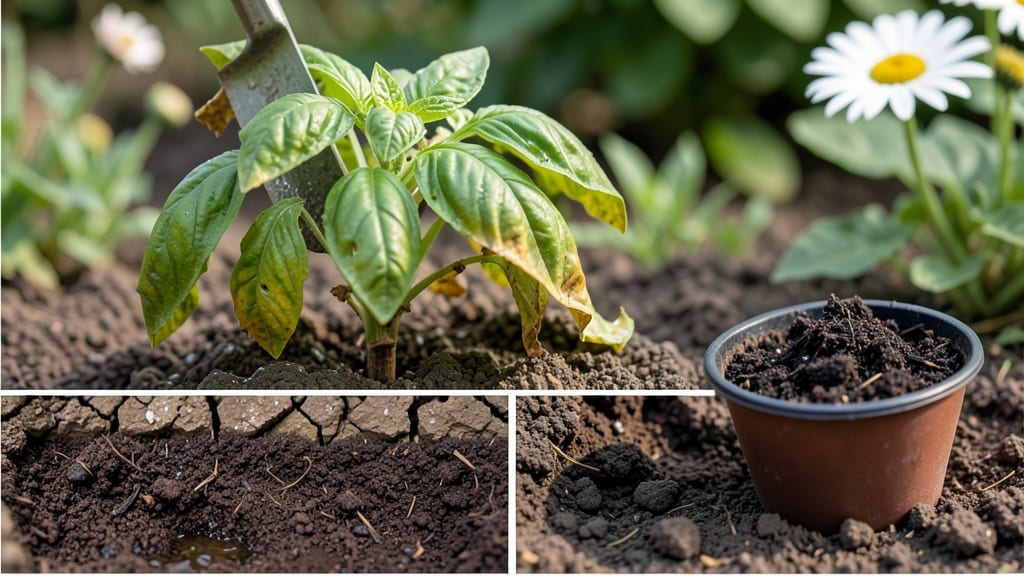
When your soil isn’t absorbing water like a greased pig, neem oil revival might be the game-changer you didn’t know you needed. 🌱 I’ve watched heavy clay turn from a water-resistant brick into a sponge within weeks—not with just compost, but with a targeted approach that breaks compaction and restores microbial life.
The problem starts with tiny air pockets disappearing, leaving soil packed like a cement sidewalk. Rain or hose water just pools on top, running off instead of soaking in.
Neem oil’s natural properties loosen the grip of clay particles while feeding the beneficial fungi and bacteria that create those all-important soil pores. By mixing neem oil with compost tea and applying it to the surface, you’ll see water disappear into the ground within minutes instead of forming puddles.
The soil will start crumbling when dry, and plants will drink up moisture like never before—no more wilting despite standing water. This method works for lawns, garden beds, and even container mixes. The key is patience: repeat the treatment every 4-6 weeks until the texture improves.
Your soil will transform from a stubborn brick to a thirsty, fertile sponge.
Root Causes Of Water-Repelling Soil
When your soil refuses to drink up water like a thirsty plant, it’s usually a sign of deeper issues at play. Understanding these causes is the first step toward revival—especially when neem oil can help break the cycle.
Let’s dig into the science behind why soil turns into a water-resistant fortress.
Heavy foot traffic, machinery, or even natural settling over time can compress soil particles tightly together. When soil becomes compacted, the tiny air pockets and pore spaces that allow water to seep in get crushed.
Think of it like squeezing a sponge—once it’s flattened, water just slides off instead of soaking in.
Why it matters: Compacted soil disrupts root growth, limits oxygen flow, and forces water to pool on the surface, increasing runoff. Plants struggle to access moisture, even when it’s right there.
Clay soils are notorious for their tiny, plate-like particles that cling together when wet and harden like concrete when dry. While clay can hold nutrients, its dense structure makes it nearly impermeable unless amended properly.
Without organic matter (like compost or decomposed plant material), clay particles repel water instead of absorbing it—a phenomenon called hydrophobicity.
Key clue: If your soil feels slick when wet and bricks hard when dry, clay is likely the culprit. Adding organic amendments like neem cake or well-rotted compost can loosen its grip on water.
Organic matter is the soil’s sponge—it holds water, improves aeration, and encourages microbial activity. When soils lack humus (decomposed plant/animal material), they become hydrophobic, especially in sandy or clay-heavy textures. Without this "glue," water simply beads up and rolls away.
Red flag: If your soil looks dull, crumbles easily, or has a musty smell (not fresh compost), it’s likely starving for organic input. Neem oil’s residual organic compounds can help restore balance over time.
Certain chemicals—like old pesticides, synthetic fertilizers, or even natural resins from pine needles—can coat soil particles, creating a water-repellent film. This is common in forests or gardens where pine mulch or chemical treatments have been overused. The result? Water pools on top like oil on pavement.
Test it: Drop a few water droplets on dry soil. If they bead up and don’t sink, hydrophobic resins or chemicals may be the issue. Neem oil’s emulsifying properties can help break down these barriers.
Prolonged drought, heavy rainfall, or wind erosion can strip away the topsoil’s protective layer, exposing dense subsoil. Without the organic-rich top layer to absorb water, rain becomes runoff, and roots suffocate. Over time, this creates a crust that seals out moisture.
Visual hint: Look for bare patches, sheet erosion, or a shiny, hard surface after storms. Rebuilding the topsoil with organic amendments (and neem oil’s microbial boost) can restore its water-holding capacity.
Healthy soil teems with bacteria and fungi that create channels for water to move through. If these microbes are stressed (by over-tiling, chemicals, or poor nutrition), the soil’s "plumbing" system breaks down. Without microbial networks, water has nowhere to go but off the surface.
Sign of imbalance: Soil that smells sour or lacks earthy aromas may have low microbial life. Neem oil’s antifungal and antibacterial properties can stimulate beneficial microbes without harming them.
Fixing Water-Resistant Soil Naturally
When your soil refuses to drink up water like a thirsty plant, it’s time to roll up your sleeves and revive it—without harsh chemicals. The good news? Neem oil and simple soil amendments can break the cycle of compaction and restore hydration.
Below, we’ll map the most common causes of poor water absorption to practical, step-by-step fixes, plus prevention tips to keep your soil happy long-term.
Cause: Heavy foot traffic, machinery, or clay-heavy soil crushes soil particles, leaving tiny air pockets blocked. Fix:
- Aerate manually with a garden fork or tiller (rent one if needed). Push it deep—8–12 inches—to break up hardpan layers. 🔪
- Add organic matter like compost, aged manure, or coconut coir to improve structure. Aim for 2–3 inches mixed into the top 6 inches of soil.
- Use neem oil as a soil drench: Mix 1 tbsp neem oil + 1 tsp mild soap per gallon of water, then spray over the soil. Neem oil’s fungicidal properties reduce water-repellent fungi while loosening clay over time.
✨ Pro Tip: Water the soil before aerating—damp (not soggy) soil is easier to work with and prevents further compaction.
Cause: Clay soil sticks together like cement when dry and turns to mud when wet, clogging pores. Fix:
- Amend with sand—but not just any sand. Use coarse horticultural sand (not fine beach sand) to improve drainage. Mix 1 part sand to 3 parts soil.
- Boost organic content: Spread peat moss or composted leaves (¼ inch thick) and lightly till into the top 4 inches. This creates micro-channels for water to flow.
- Neem oil + bio-stimulant combo: After amending, apply a neem oil + seaweed extract spray (1 tbsp neem + 1 tsp seaweed per gallon) to encourage beneficial microbial activity, which breaks down clay over time.
💡 Quick Fix: If you’re in a hurry, gypsum (calcium sulfate) can help temporarily. Sprinkle 1 lb per 100 sq ft and water deeply—it won’t change soil structure but reduces repellency.
Cause: Water-repellent fungi (e.g., Geosmin*-producing bacteria) or thick thatch layers create a hydrophobic barrier. Fix:
- Neem oil deep treatment: Mix 2 tbsp neem oil + 1 tsp castile soap per gallon of water, then water the soil thoroughly (not just the surface). Repeat weekly for 3 weeks to starve fungi and repel pests.
- Remove thatch: If your lawn or garden has a thick, spongy thatch layer (over ½ inch), rake or dethatch to expose soil to air and water.
- Encourage microbes: Sprinkle compost tea (homemade or store-bought) over the soil to boost beneficial bacteria that naturally degrade hydrophobic compounds.
🎯 Prevention: Mulch with straw or wood chips (not leaves) to avoid adding more organic matter that could mat down.
Cause: Excessive tilling destroys soil aggregates, leaving a powdery, water-resistant mess. Fix:
- Stop tilling and switch to no-till gardening. Instead, top-dress with compost (¼ inch annually) to feed soil life naturally.
- Use a broadfork (a garden tool) to loosen soil without flipping it, preserving soil structure.
- Neem oil + vermicompost tea: Mix 1 tbsp neem oil + 1 cup worm castings per gallon of water, then spray over the soil. This replenishes microbes and improves water retention.
🔥 Emergency Hack: If you must plant immediately, dig small holes, add a handful of compost, and plant—this bypasses the compacted layer.
Once your soil starts absorbing water again, keep it that way with these habits:
- Test your soil every 2–3 years (use a home kit or send to a lab) to monitor pH and organic matter.
- Plant cover crops like clover or rye in off-seasons—their roots aerate soil naturally.
- Avoid walking on garden beds—use stepping stones or mulch paths to prevent compaction.
- Rotate crops to prevent nutrient depletion, which weakens soil structure.
Final Thought: Reviving water-resistant soil takes patience, but with neem oil, organic amendments, and gentle care, your plants will thank you with lush, hydrated growth—no more puddles or wilting! 🌱💧
Frequently asked questions
Why does my soil suddenly repel water instead of absorbing it?
This usually happens due to compaction (from foot traffic or machinery) or a lack of organic matter. Clay soils often become hydrophobic when their tiny particles clump together, blocking water entry. Even chemical residues from old pesticides or pine mulch can create a water-repellent film on soil particles.
How can I tell if my soil is compacted or just low in organic matter?
Press a handful of dry soil—if it feels hard like a brick, it's compacted. For organic matter, check its color: dark brown/black means healthy, while pale or grayish soil is nutrient-poor. A simple jar test (fill a jar with soil + water) can also show compaction (no separation) vs. healthy layers.
Will neem oil really help with water-repellent soil?
Yes! Neem oil breaks down hydrophobic compounds and encourages beneficial microbes that create soil pores. Mix 1 tbsp neem oil + 1 tsp soap per gallon of water and apply weekly for 3 weeks. It won't work overnight, but you'll see water soaking in better within 4-6 weeks.
Can I use regular sand to fix clay soil that won't absorb water?
No—beach sand is too fine and can make clay worse. Use coarse horticultural sand mixed at a 1:3 ratio with clay. For best results, combine it with compost and neem oil to improve both drainage and microbial activity.
How long until my soil starts absorbing water after treatment?
With neem oil and organic amendments, you'll see improvement in 2-4 weeks. For severe compaction, it may take 3-6 months to fully restore water absorption. Test progress by pouring water—if it soaks in within 10 minutes, you're on the right track!