
How To
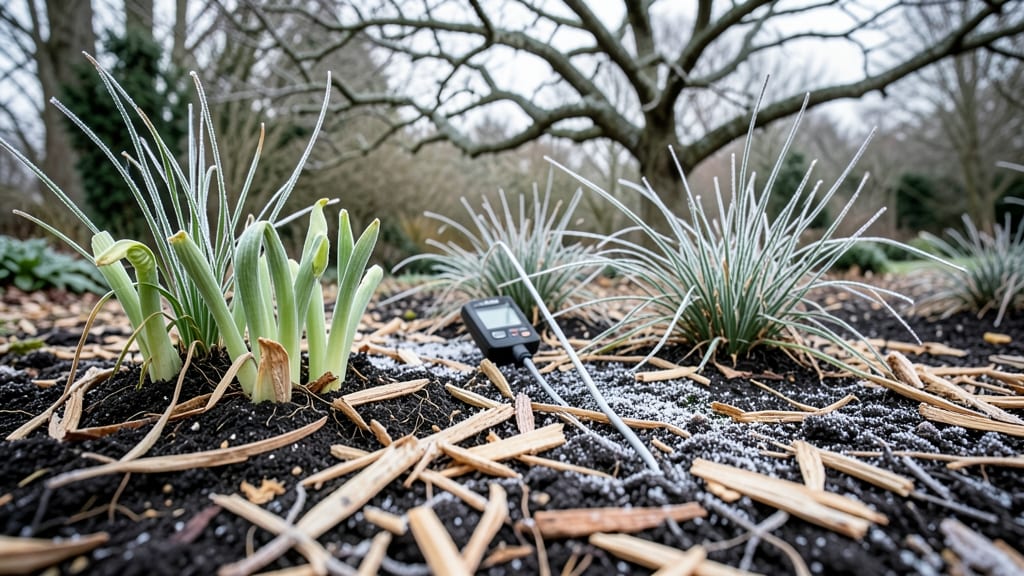
Your winter soil isn't just dirt—it's the foundation for next year's harvest. 🌱 I've learned that ignoring winter soil care means battling compacted, frozen ground come spring, and that's when plants struggle to root. The right insulation now keeps soil workable, protects roots, and even prevents erosion from winter rains.
Start with organic matter—compost or aged leaves—because it improves drainage and insulates roots from temperature swings. In heavy clay soils, add coarse sand or perlite to prevent waterlogging, while sandy soils need more organic material to retain moisture.
A 3-4 inch layer of straw or wood chips on garden beds works like a blanket, keeping temperatures stable and protecting soil structure.
By spring, you'll have soil that's loose, nutrient-rich, and ready for planting. The plants you add will establish faster because the roots won't fight frozen or waterlogged conditions. Plus, you'll cut down on spring tilling, which can disrupt soil life and structure.
This works for perennials, vegetable beds, and even lawns—just adjust the insulation thickness based on your climate. Warmer winters? A lighter layer suffices. Harsh winters? Go deeper. The goal is to mimic nature's own protection, so your soil stays healthy beneath the frost.
Cold Weather’s Hidden Soil Threats
Winter transforms soil into a battleground for plant survival, and understanding the root causes of its challenges is key to protecting your garden. Here’s why soil behaves unpredictably in cold months—and how science explains the damage.
When temperatures fluctuate above and below freezing, water in the soil expands as it freezes, then contracts as it thaws.
This relentless cycle shatters soil aggregates (tiny clumps that hold nutrients and air pockets), leading to: - Compaction: Heavy particles press together, suffocating roots and reducing drainage. - Erosion: Loose, broken soil washes away with rain or melts into muddy runoff. - Poor aeration: Roots struggle to breathe, stunting growth or killing plants outright.
Actionable fix: Mulch heavily (4–6 inches of straw or leaves) to insulate soil and dampen temperature swings. 🌡️
Winter precipitation and frozen ground create a double whammy:
- Poor drainage: Ice layers beneath the surface act like a dam, trapping water.
- Oxygen depletion: Saturated soil forces out air, suffocating roots (a condition called anoxia).
- Fungal growth: Excess moisture invites pathogens like Phytophthora, which rot roots.
Pro tip: Test drainage by digging a 12-inch hole—if water pools after 6 hours, amend with organic matter (compost or peat moss) to improve structure. ⚡
Cold temperatures slow or halt beneficial soil microbes (bacteria, fungi, worms), which:
- Break down organic matter into nutrients (like nitrogen and phosphorus).
- Supplement plant immunity by outcompeting harmful pathogens.
- Aerate soil via tunneling (earthworms, for example).
Science note: Below 40°F (4°C), microbial activity drops by 50–90%, leaving plants nutrient-starved. 🧬
Fresh organic mulch (like grass clippings or green leaves) robs soil of nitrogen as it decomposes—a process called immobilization.
This happens because: - Carbon-rich mulch (e.g., wood chips) feeds microbes, which consume nitrogen to break it down. - Plants can’t access the locked-up nitrogen until microbes release it (a process that stalls in cold soil).
Fix it: Use nitrogen-rich mulches (straw, composted leaves) or side-dress with blood meal (0.5 lbs per 100 sq ft) in early spring. 🌱
When water in soil freezes, it expands upward, lifting roots and small plants out of the ground. This is most damaging to:
- Shallow-rooted species (like lettuce, pansies, or newly transplanted perennials).
- Container plants (pots act as insulators, trapping cold near roots).
Prevent it: Bury containers in the ground or use brick weights to anchor them. For in-ground plants, deep mulching (6+ inches) reduces frost penetration. ❄️🌿
Soil isn’t uniformly cold—temperature varies by depth and location:
- Surface layer: May thaw during the day, encouraging weed growth or fungal spores.
- Subsurface layer: Stays frozen, blocking root access to water and nutrients.
- South-facing slopes: Warm faster, creating microclimates where pests (like slugs) thrive.
Solution: Layer mulch in stages—start with cardboard (to block weeds), then add straw, then top with leaves to trap heat. 🔥🍂
Warm Up Your Soil Naturally
Winter can turn your garden into a frozen battleground for plants, but with the right strategies, you can protect and even improve your soil’s health during the cold months. Below are practical, step-by-step solutions tailored to common winter soil challenges—plus prevention tips to keep your garden thriving year-round.
Cause: Heavy rain, foot traffic, or freezing temperatures squeeze out air and water, suffocating roots.
Solutions:
- 🔥 Loosen the Ground Gently Use a broadfork (a garden fork with wide tines) to aerate soil before it freezes. Work in dry conditions to avoid compacting it further. Aim for 6–12 inches deep—this mimics natural root pathways and improves drainage. Pro Tip: 💡 Rent a broadfork if you don’t own one; many garden centers offer them for a day.
- 🌱 Add Organic Matter Spread a 2–3 inch layer of compost, leaf mold, or well-rotted manure over frozen soil in early winter.
As it thaws, this material will: - Break up compaction naturally. - Feed beneficial microbes. - Retain moisture during spring thaws. Prevention: 🌡️ Top-dress garden beds annually with compost to prevent future compaction.
- 🚜 Avoid Heavy Machinery Skip tilling frozen soil—it shreds organic matter and worsens compaction. Wait until temperatures rise above 40°F (4°C) before working the soil.
Cause: Rapid freeze-thaw cycles loosen soil, and melting snow washes away nutrients.
Solutions:
- 🏗️ Build Low Berms Pile straw, pine needles, or wood chips along slopes or garden edges to slow water runoff. These barriers:
- Absorb excess moisture.
- Protect young plants from erosion.
- Break down into mulch over time. DIY Hack: 🔪 Use a shovel or rake to create small ridges (like speed bumps) to redirect water.
- 🌿 Plant Cover Crops Sow winter rye, clover, or winter wheat in late summer/early fall. Their roots:
- Hold soil in place.
- Add organic matter when tilled in spring.
- Outcompete weeds. Timing Tip: ⏰ Plant cover crops 4–6 weeks before your first frost for best results.
- 💧 Use Erosion Control Blankets For bare or sloped areas, lay biodegradable erosion control fabric (like coconut coir mats) until spring. Secure with U-shaped pins or rocks.
Cause: Freezing temperatures kill beneficial microbes, disrupt soil structure, and stress plant roots.
Solutions:
- 🛏️ Mulch Like a Pro Apply a 4–6 inch layer of straw, leaves, or shredded bark after the ground freezes. Avoid fresh wood chips (they draw moisture). Mulch:
- Acts as a blanket to regulate soil temps.
- Feeds microbes as it decomposes.
- Reduces heaving (when roots lift out of frozen soil). Material Tip: ✨ Shredded leaves work best—whole leaves can mat and trap moisture.
- 🏡 Create Mini Greenhouses For tender perennials or bulbs, build low tunnels with:
- Bent PVC pipes + frost cloth (cheap and reusable).
- Clear plastic bottles (cut in half and placed over crowns). Warning: 🌡️ Remove covers on sunny days above 50°F (10°C) to avoid overheating.
- 🔥 Use Row Covers Strategically Lay frost cloth over bare soil in high-wind or exposed areas to:
- Trap heat radiating from the ground.
- Shield soil from ice crystals. Bonus: 💡 Secure edges with bricks or landscape pins to prevent flapping.
Cause: Cold snaps and wet conditions stress earthworms, microbes, and fungi—key players in soil health.
Solutions:
- 🍄 Feed the Microbes Mix biochar or kelp meal into the top 2 inches of soil before winter. These:
- Boost microbial activity.
- Improve water retention.
- Add trace minerals. Easy Mix: 🌱 Combine 1 part biochar + 2 parts compost and sprinkle lightly.
- 🐛 Create Worm Havens If your soil is too wet or cold for worms, build a shallow trench (6 inches deep) filled with:
- Coconut coir + compost (worms love this mix).
- A handful of worm castings to jumpstart activity. Sign of Success: 🎯 If worms migrate upward in spring, your soil is ready for planting!
- 🚫 Avoid Chemical Interference Skip synthetic fertilizers or pesticides in winter—they can harm overwintering beneficial insects and microbes. Stick to organic amendments like:
- Compost tea (spray lightly on soil).
- Neem oil (only if pests are active—test a small area first).
- 📅 Plan for Spring Early Mark your calendar to:
- Test soil pH in early spring (ideal: 6.0–7.0).
- Add lime or sulfur if needed (based on test results).
- Plant deep-rooted crops (like dandelions or comfrey) to aerate soil naturally in fall.
- 💧 Water Wisely in Fall Give soil a deep watering before the first hard freeze. This:
- Reduces winter heaving.
- Helps roots access moisture early in spring.
- 🌿 Rotate Your Mulch Swap out old mulch every 1–2 years to prevent mat formation (a dense, waterproof layer that blocks air).
Final Thought: Winter soil care is about working with nature, not against it. By insulating, feeding microbes, and preventing erosion, you’ll wake up to warmer, richer soil come spring—ready to grow your best garden yet! 🌱❄️
Frequently asked questions
Can I still add compost to my garden when the ground is frozen?
Yes, you can! Spread a 2-3 inch layer of compost over frozen soil in early winter. As the ground thaws, it will naturally work its way down, improving soil structure and feeding microbes. Just avoid tilling frozen soil—it can damage soil life and worsen compaction.
What's the best mulch for preventing soil erosion in winter?
Straw and shredded leaves are your best bets! They absorb excess moisture, protect against wind, and break down slowly. For slopes, create low berms with straw or pine needles to redirect water flow. Avoid fresh wood chips—they draw moisture away from the soil.
Will mulching too thickly harm my plants in winter?
Yes, if you exceed 6 inches of mulch, it can suffocate plants by trapping too much moisture and blocking air. For most gardens, 4-6 inches is ideal. In warmer climates, you can use thinner layers (2-3 inches). Always avoid piling mulch directly against plant stems.
How do I protect container plants from winter damage?
Move pots to sheltered areas, bury them halfway in the ground, or wrap them in bubble wrap. For extra protection, place brick weights around the base to prevent wind from tipping them. Group containers together to create a microclimate that retains heat.
Can I use cardboard as mulch in winter?
Cardboard blocks weeds and breaks down over time, adding organic matter. Just remove any tape or staples first. Place it directly on the soil, then top with straw or leaves to keep it in place. This method works well for both garden beds and lawns.