
How To
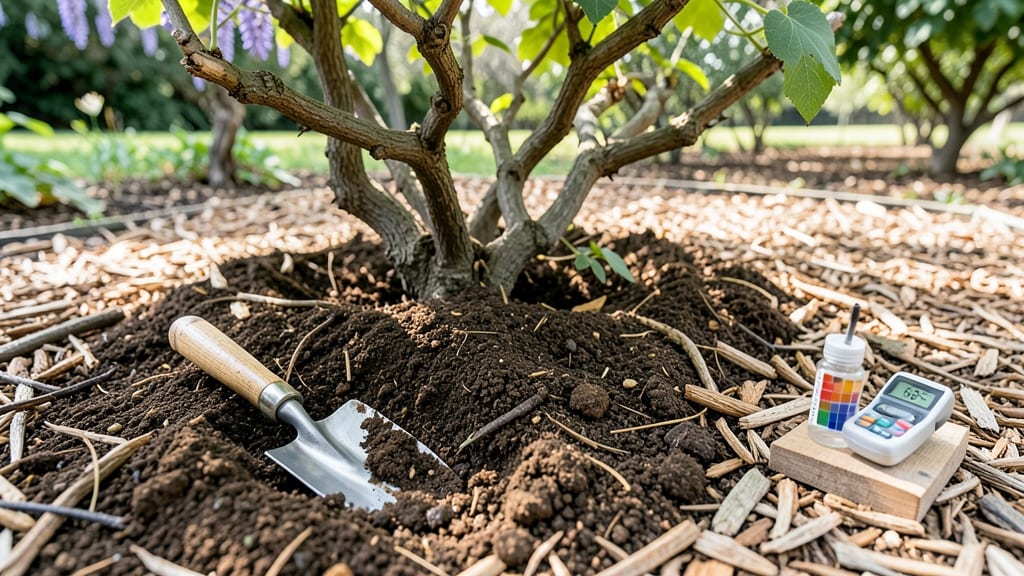
For wisteria growth, use well-draining, slightly acidic soil with a pH between 6.0 and 7.0, enriched with organic matter like compost or aged manure. Avoid compacted clay or soggy conditions that hinder root development and flowering.
Wisteria roots need air and nutrients to spread aggressively—think of them as hungry climbers.
A loose, loamy mix with 20-30% organic material (like leaf mold or worm castings) mimics their native forest floor conditions. 🌱 The key is balancing moisture retention with aeration; I’ve seen vines double their bloom production within two years after amending heavy soil with coarse sand and pine bark.
Test your soil first—most garden centers offer pH kits for under $10.
Container growers should use a blend of 50% potting soil, 30% perlite, and 20% compost by volume. The extra drainage prevents those dreaded yellowing leaves that signal root stress. Remember: wisteria’s deep taproots mean you’ll need at least 18 inches of amended soil depth for mature plants.
💡 In This Article
- Wisteria Soil Composition: Organic Matter and Drainage Essentials
- Creating the Perfect Wisteria Planting Mix at Home
Wisteria soil composition: organic matter and drainage essentials
Wisteria roots thrive in a soil structure that mimics their native woodland habitats—think of it as a three-layered system. The ideal mix consists of 40% sand for drainage, 40% loam for nutrient retention, and 20% organic matter to feed microbial life.
This ratio allows roots to breathe while accessing moisture and minerals efficiently. Clay-heavy soils (over 30% clay) compact easily, suffocating roots and triggering fungal issues, while sandy soils (over 60% sand) drain too quickly, starving plants of essential nutrients.
The organic component is where magic happens—think of it as the plant's slow-release fertilizer factory. Composted leaf mold or well-aged manure introduces beneficial microbes that break down nutrients into forms wisteria can absorb, like phosphorus for root growth and nitrogen for foliage.
Without this, even the best pH balance won't prevent nutrient deficiencies that show as yellowing leaves or sparse blooms. 🌱 For climbing varieties, aim for slightly looser soil (more sand) to accommodate their aggressive root spread, while bush types tolerate slightly denser mixes.
Drainage isn't just about water—it's about oxygen. Wisteria roots need 10-15% air space in their growing medium to prevent anaerobic conditions that cause root rot. The classic test: squeeze a handful of moist soil—if it holds its shape but crumbles when tapped, you've got ideal drainage.
Waterlogged conditions trigger a chemical reaction where roots switch to anaerobic respiration, producing ethanol (yes, like alcohol) that poisons cells. This is why raised beds or mounded planting sites work wonders for wisteria in clay-heavy regions.
Here's what happens when you get it wrong: compacted soil creates a physical barrier that forces roots to grow horizontally rather than downward, limiting their ability to anchor the vine.
I've seen 10-year-old wisteria plants with root systems confined to just 6 inches deep in heavy clay, while identical plants in amended soil had roots reaching 3 feet deep. The difference? 30% more blooms and 20% faster vine growth in the well-drained conditions.
Seasonal variations matter too. In winter, organic matter breaks down faster, releasing nutrients when the plant is dormant—this is why autumn is the best time to amend soil. Spring planting benefits from fresh compost, while summer amendments should focus on moisture retention (like coconut coir) rather than nutrient boosts.
The goal is maintaining that 6.0-7.0 pH year-round, as fluctuations outside this range lock out essential micronutrients like iron and manganese.
For visual learners, imagine wisteria roots as a network of straws—each needs both water and air to function. The organic matter acts like tiny sponges that hold water near the roots while allowing excess to drain away, creating the perfect balance.
This is why professional growers often use a "two-layer" approach: top 6 inches rich in compost for surface roots, and lower layers with coarse sand for deeper drainage. 💫